If Your Perfume Doesn’t Last — a few solutions

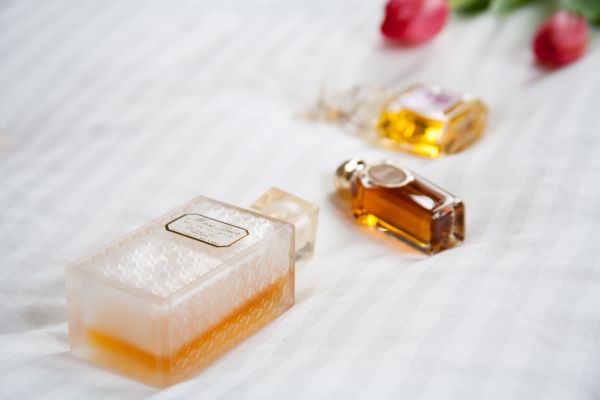
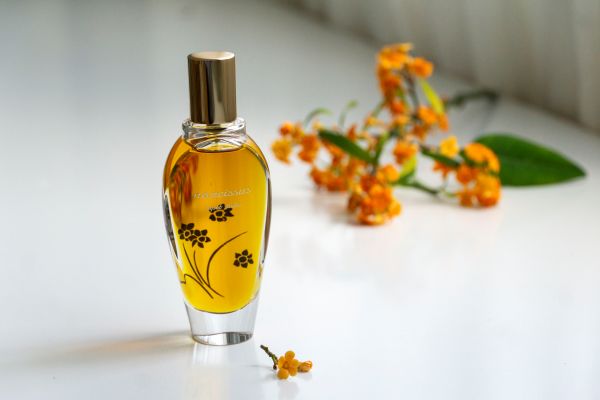
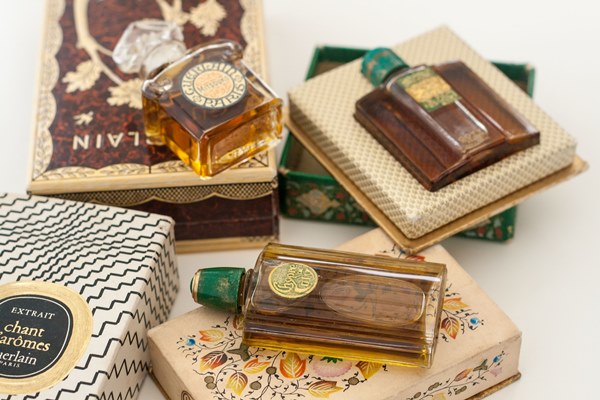
You find a perfume that seems perfect and you eagerly put it on. You enjoy the first few moments, but then over the course of the day, you can’t smell it. You might as well not have worn anything. A perfume that doesn’t last is one of the most frustrating occurrences for a fragrance lover, and I’m often asked to explain why it happens.

A perfume may have a fleeting presence, because it’s based around volatile materials like citrus, leafy notes or pink pepper. It might be a cologne designed to be an instant refresher, like Clarins Eau Dynamisante or Roger & Gallet Bois d’Orange. Citrus gives a bright opening; however, it fades quickly. You can either keep reapplying the cologne, as if hitting replay on a favorite song, or you can switch to a different perfume later in the day. Continue reading →


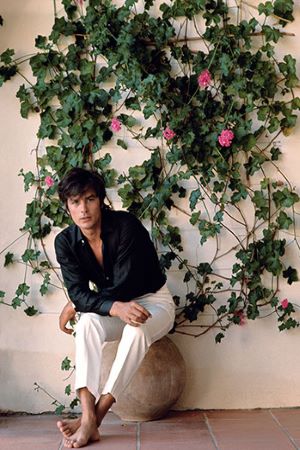
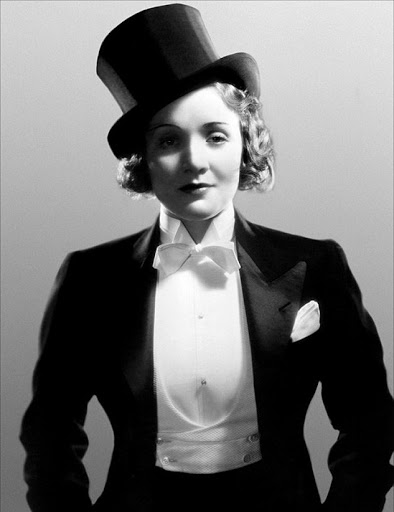
Three Men’s Fragrances for Women : Modern Classics

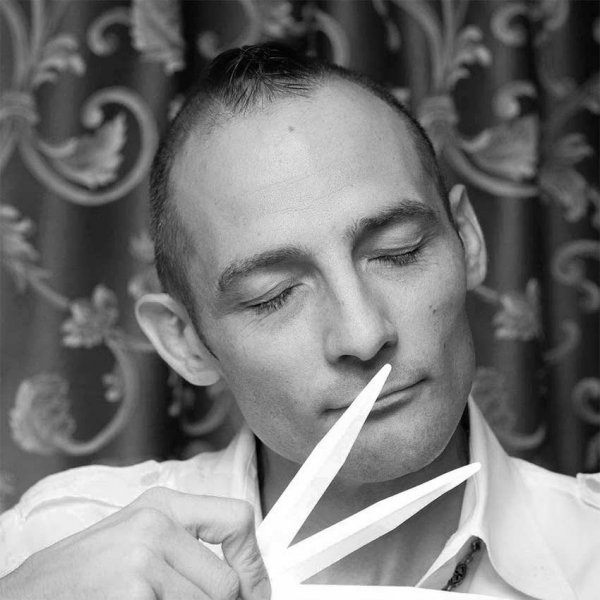
The modern concept that scents can be gendered–roses are for women and cedarwood is for men–dates to the post-WWII consumer boom when marketing tried to find new ways to encourage people to buy more products. That’s when the different concentrations of perfume also became popular, resulting in the current trend to release Eau de Parfum and Eau de Toilette versions in the same way that publishing houses tempt the public with hard and soft cover versions of books. The idea, however, is nothing new. The Greek philosopher Theophrastus wrote in his book, Concerning Odors, that men should wear lilies and roses and women myrrh and spikenard. So, there you go.

The main difference in how gender is assigned to scents is cultural. The quintessential feminine note of American and European perfumery, the rose, becomes unisex in the Middle East. Vanilla is much more common among masculine fragrances in Italy than it is in the US. Orange blossom is association with crisp freshness in Spain and with baby products in France. So, for those who are adventurous, the easiest way to have fun is to forget the gender labels and try perfumes based on their notes or stories.

Continue reading →

Recommend Me a Perfume : September 2020

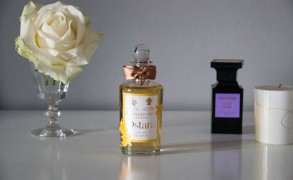
Our “Recommend Me a Perfume” thread is open this week. You can use this space to find perfume recommendations, to share your discoveries and favorite scents, and to ask any questions about scents, aromas and flavors.

How does it work: 1. Please post your requests or questions as comments here. You can also use this space to ask any fragrance related questions. To receive recommendations that are better tailored to your tastes, you can include details on what you like and don’t like, your signature perfumes, and your budget. And please let us know what you end up sampling. 2. Then please check the thread to see if there are other requests you can answer. Your responses are really valuable for navigating the big and sometimes confusing world of perfume, so let’s help each other!

To make this thread easier to read, when you reply to someone, please click on the blue “reply” link under their comment.

Photography by Bois de Jasmin

Sandalwood : Woods Series (New Video)

I’m continuing my woods series and today I’m discussing sandalwood, the most distinctive sweet wood in the perfumer’s palette.
The beauty of sandalwood lies in its sweet and creamy scent that differs from the aromas of other woods, which tend to be dry and sharp.

While I mention a variety of perfumes in this video, such as Serge Lutens Santal de Mysore, Santal Majuscule, Ambre Sultan, Jeux de Peau, Chanel Égoïste, Guerlain Samsara, Diptyque Tam Dao and 10 Corso Como, this is far from a complete list. Therefore, I wanted to supplement it with several other examples of excellent sandalwood perfumes.

Continue reading →

Poetry and Enigma of Mike Johansen

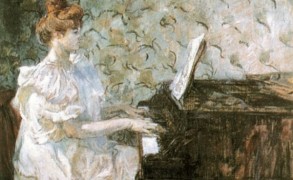
Why not start Monday with poetry? I’ve selected my favorite poetry by Mike Johansen (1895-1937), a Ukrainian poet of the 1920s. Johansen described himself as an enigma–half-Ukrainian, half-Latvian German, fluent in dozens of languages and yet making Ukrainian the medium of his prose and poetry. Johansen represents the avant-garde movement of the 1920s and he was one of the brightest stars of the same group that included people like Vladimir Mayakovsky, Velimir Khlebnikov and Mykola Khvylovyi. What distinguishes his work for me is his playfulness and humor.

Although he was a gifted translator at ease with Latin, English, German, and a number of Scandinavian and Slavic languages, his poetry is impossible to translate. It relies so much on the sound of Ukrainian that in another language it becomes something else altogether. Yet, even without understanding the language, the poem is hypnotic.

Continue reading →

As Seen On

Design by cre8d
© Copyright 2005-2026 Bois de Jasmin. All rights reserved. Privacy Policy