Perfume 101: 517 posts

Here you can find how to guides to selecting, testing and enjoying scents. Also includes are the lists of our top favorite perfumes for different occasions and articles covering all range of topics related to fragrance. If you’re curious to step inside a perfume lab (or even become an industry professional), this group of essays will be of interest.

What Do Perfume Concentrations Mean?

Eau de cologne, eau de toilette, eau de parfum, extrait de parfum. What do these terms mean? Open any perfume book, and I guarantee that you will read an explanation that these French words denote different concentrations of fragrant oils in the finished product and a corresponding strength. Some authors might even give you a chart showing that cologne is 2% oil and lasts for only 2 hours, while extrait de parfum is 25% oil and requires a skin graft for complete removal. It sounds convincing until one confronts the truth. Perfume concentrations are a marketing tool and they do not mean anything specific.  The proportion of oil doesn’t play as great a role as the ingredients in the composition. As such, different concentrations denote neither how long a perfume will last nor how many “rare and precious” materials it contains.

Eau de cologne refers to a style of fragrance rich in citrus essences. It is the Cava of the olfactory world, bright and shimmering. Citrus oils are among the most volatile in the perfumer’s palette, and some colognes are indeed evanescent, meant more as an instant boost of freshness rather than a thick veil of aroma.
Continue reading →

What is Sillage

Perfume wearers and boats have more in common than one might reasonably suspect. Sillage (pronounced as see-yazh) is a French word that means “wake”, as in the airplane contrails criss-crossing the skies or the waves left on water by a passing ship. But it’s also used to describe the scented trail created by perfume. Sillage defines the degree to which fragrance emanates from its wearer and diffuses into the space around them.

Sillage is an important quality to keep in mind when buying a perfume or when selecting it for specific occasions. Big sillage scents are the most complimented because they’re easy to notice, but their distinct presence may make them inappropriate for restaurants, theatres, or some office environments. On the other hand, a fragrance that doesn’t bloom at all is rarely satisfying. The goal is to find the right sillage for your mood and lifestyle.

Continue reading →

Feel-Good Perfumes

Marie Kondo, the author of the best-selling book “The Life-Changing Magic of Tidying Up,” suggests that only items that spark joy should be kept around the house. Of course, Kondo’s “spark joy” philosophy is more nuanced as she applies it to various aspects of cleaning and decluttering, but the idea of surrounding oneself with objects that are meaningful and special makes perfect sense. It can also be applied successfully to selecting a perfume.

Whenever I’m asked by friends and readers for recommendations, instead of listing fragrances, I try to determine what scents make them feel good. Or, to use Kondo’s phrase, what perfumes spark joy for them. One such composition for me is Serge Lutens’s Iris Silver Mist. It’s a cool, polished fragrance based around the scent of iris root, and when I wear it, I feel as if I’ve stepped into a secret garden filled with pearly light and the soft rustle of leaves.

Continue reading →

Delicious Scents : Tonka Bean

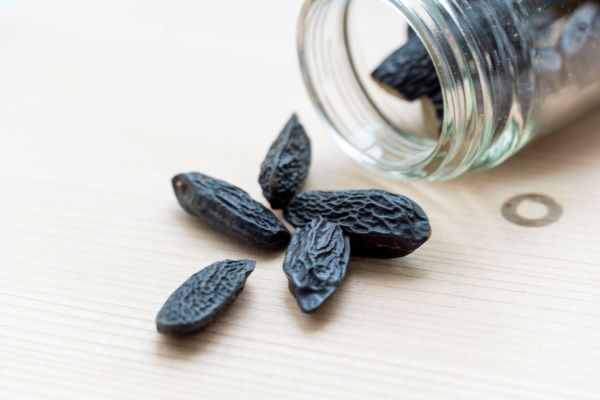
The tonka bean, one of my favorite ingredients looks unprepossessing—a shriveled black pod covered with suspicious white bloom. However, its scent of toasted almonds, amarena cherries, sun warmed hay and vanilla custard is one of the luscious in a perfumer’s palette. What’s more, the tonka bean was responsible for a revolution in modern perfumery.

Tonka beans, the seeds of the Dipteryx Odorata tree native to South America, contain a component called coumarin. It’s present in many herbs and plants, including lavender, figs, and cherry leaves, but tonka beans are so rich in this aromatic that it crystallizes to the surface of their skin. Indeed, the very name coumarin comes from a French word for the tonka bean, coumarou. Coumarin was first isolated from tonka beans in the 1820s, and in 1882 it became the first synthetic material to be used in a perfume. To create a fantasy accord inspired by ferns, perfumer Paul Parquet added coumarin to the classical eau de cologne blend of citrus, lavender and geranium. Notes of amber, musk and oakmoss filled in the rest of the composition and Houbigant’s Fougère Royale was born. Along with it, came a new family of fragrances called fougère, which in French meant “fern.”

Continue reading →

Fragrances From The Spice Trail

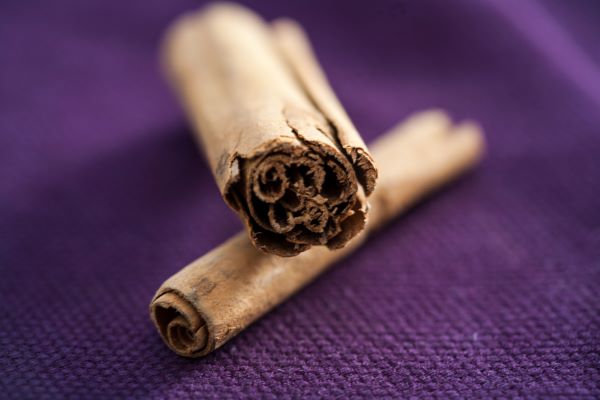
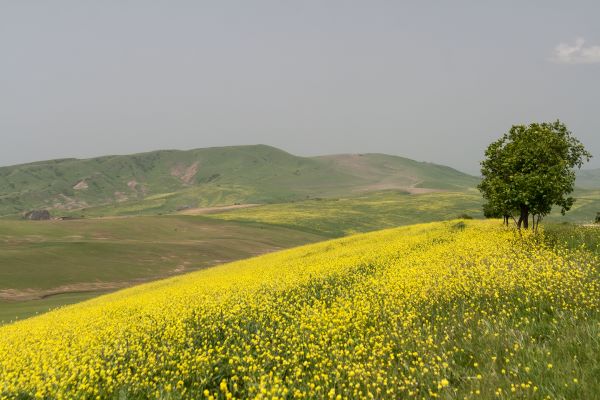
I spent much of last year traveling and researching the way spices and other aromatics are grown. My pursuit took me to the clove gardens in Indonesia, cumin fields in India, and the cassia cinnamon groves in Vietnam. The word ‘spice’ contains the same root as the word ’special,’ and I wanted to discover how these unique fragrant plants are transformed into essences and used in perfumery.

The journey was full of revelations. I learned, for instance, that processing clove essence involves not the buds of the tree, the familiar cloves of mulled wine and gingerbread, but rather the stems and leaves. All parts of the clove tree contain essential oil with varying scent profiles. The leaves release sweet-smelling essence, but the one derived from the stems has a smoky, woody accent.

Continue reading →

As Seen On

Design by cre8d
© Copyright 2005-2026 Bois de Jasmin. All rights reserved. Privacy Policy