Perfume 101: 517 posts

Here you can find how to guides to selecting, testing and enjoying scents. Also includes are the lists of our top favorite perfumes for different occasions and articles covering all range of topics related to fragrance. If you’re curious to step inside a perfume lab (or even become an industry professional), this group of essays will be of interest.

5 Perfume Masterpieces for Summer

Beautiful fragrances can lift your mood. Over the past few months I have been wearing my most opulent perfumes without being concerned that they might become associated with a dark period in my life. I needed colors, texture, and vibrancy, and my beloved classics satisfied me. Complex fragrances have the benefit of being multifaceted, so that each time you wear them, you discover a new layer or create your own story to match the mood. Perfume may be a dispensable luxury, but like all beautiful things, it serves to elicit positive emotions and boost the spirits.
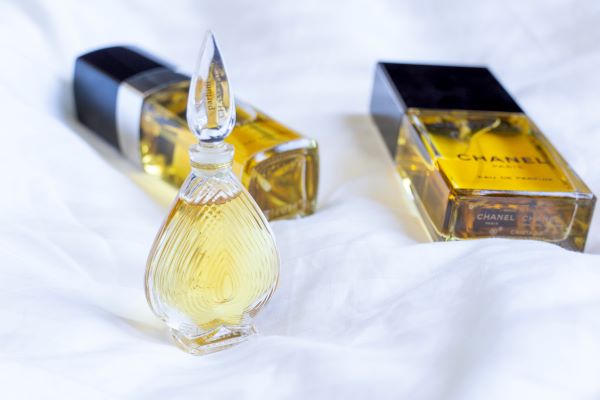
For my summer-themed selection, I’ve settled on a list of five masterpieces. These are the perfume equivalents of novels by Tolstoy and George Eliot because of their layers, nuances, and twists. Some are elegant colognes; others are lush florals and bittersweet chypres (mossy-woody blends.) The list is personal, but I think that you will agree that these are among the classical perfumes to try. Some of them might be ideal as an introduction to classics.

Continue reading →

7 Effervescent Scents Against Summer Heat

These days I look at the weather forecast with a sense of dread as we are in the middle of another heatwave. I like the indolence of summer and the long sun-filled days, but I don’t enjoy the oppressive heat and humidity. My primary methods to make these days tolerable include copious amounts of mugicha, a traditional Japanese summer drink made of roasted barley, and a selection of light, effervescent perfumes.

The natural choice for summer is citrus, but your selection need not be limited to simple colognes. Modern floral and green notes offer a refreshing effect, without the sharpness of citrus. Look for compositions that are accented with woods, rather than vanilla or musk, as the sheer blond wood finish contrasts beautifully with the brightness of fresh notes.

How to amplify the freshness of a fragrance? Follow the good old advice of leaving your scent in the fridge but beware that drastic temperature changes can affect perfume negatively, and for this reason I recommend making a decant of your favorite summer fragrance. A spritz of cool liquid is the ultimate refreshment. If you would like an even more intense cooling experience, select a mint fragrance like Aqua Allegoria Menta Fresca or Herba Fresca. Menthol triggers cold-sensitive receptors and plays tricks on our brain. When the mercury levels are soaring, such an effect is welcome.

Continue reading →

Three Classics and One Great Novel

The first time I encountered a perfume that beguiled me was on the pages of a book. The sultry red-haired witch in Mikhail Bulgakov’s The Master and Margarita enticed women with the promise of “Guerlain, Chanel No. 5, Mitsouko, Narcisse Noir, evening gowns, cocktail dresses...” It would be some years before I smelled these perfumes, but their names left a “baffling but seductive” imprint, just as suggested by the novel.

It is no accident that Bulgakov selected Chanel No 5, Guerlain Mitsouko and Caron Narcisse Noir. Those were the fragrances worn by his wife, Elena Bulgakova, the muse for Margarita in the novel. Elena Bulgakova’s granddaughter from her first marriage used to be part of my family. She often mentioned how much her grandmother loved fragrance, especially the three perfumes mentioned in the novel. Chanel No 5 evoked elegance for her. Mitsouko conveyed sophistication. And Caron was pure magic in its opulent glamour.

Continue reading →

A Branch of Mimosa for Carmen

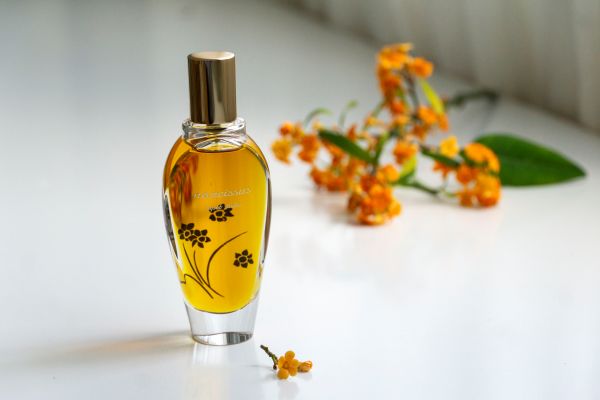
“I will bring you cassie, if you still enjoy its perfume,” wrote French novelist Prosper Mérimée in Lettres à une inconnue (Letters to an Unknown). The Unknown, was Mademoiselle Jenny Dacquin, the daughter of a notary of Boulogne, with whom Mérimée corresponded for over forty years. And what flower should his Carmen throw to Don José? Une fleur de cassie.

Cassie and mimosa are two closely related plants from the acacia family. The branches covered with masses of lemon yellow pompoms not only look beautiful, they also have a rich scent valued in perfumery. Native to Australia, mimosas were brought to France in the 18th century by the British explorer, Captain James Cook, and they have flourished in the mild winters of the Mediterranean coast. Every February the Massif de Tanneron in Provence turns golden yellow as the mimosas come into bloom, a Fauvist painting come alive.

Continue reading →

My Name is Red : Perfumes That Evoke Scarlet

“I’m so fortunate to be red! I’m fiery. I’m strong. I know men take notice of me and that I cannot be resisted… Wherever I’m spread, I see eyes shine, passions increase, eyebrows rise and heartbeats quicken. Behold how wonderful it is to live! Behold how wonderful to see. I am everywhere. Life begins with and returns to me.”

This description of the color of blood and roses from Orhan Pamuk’s My Name is Red, has stayed with me ever since I first read the novel while studying perfumery. At the time, one of the exercises we were doing involved matching scents to colors, and so I started looking for a fragrance that evoked the same intensity as Pamuk’s description.

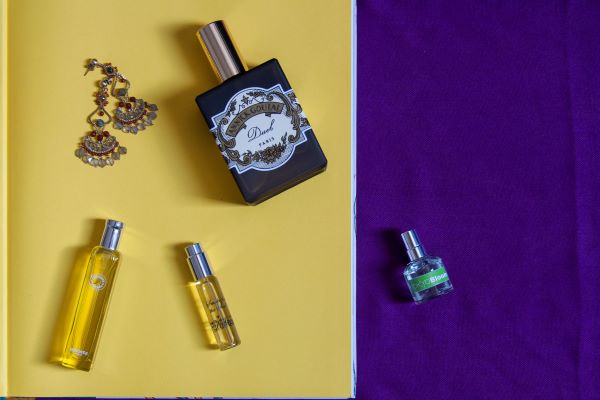
The obvious suspects like roses and raspberries were cast aside. I was after drama, rather than mere associations. Once while leafing through an album of Indian miniature paintings, I had an epiphany—sandalwood smells red. The 16th century vignettes painted during the Mughal era depicted women making sandalwood paste, and their activity reminded of the time I had spent in India, especially of the bright colors and smells.

Continue reading →

As Seen On

Design by cre8d
© Copyright 2005-2026 Bois de Jasmin. All rights reserved. Privacy Policy