Perfume 101: 517 posts

Here you can find how to guides to selecting, testing and enjoying scents. Also includes are the lists of our top favorite perfumes for different occasions and articles covering all range of topics related to fragrance. If you’re curious to step inside a perfume lab (or even become an industry professional), this group of essays will be of interest.

Vietnamese Green Oil, DIY Colognes and Other Cool Delights

The second part of my refreshing scents series focuses on non-alcoholic and DIY options. Some people prefer to skip alcohol during hot days, and I’m often asked for inexpensive solutions. Experimenting with scents during summer is fun, but when the temperature rises above 35C, the idea of putting on perfume becomes unappealing.

I instead reach for oils from Vietnam or Thailand, especially Dầu Gió Xanh Eagle Brand Medicated Oil. This popular Vietnamese oil is used for headaches, muscle pains, etc, but I also find it effective on hot days when my head feels heavy. The scent is spicy and incense-like, but it’s unexpectedly refreshing. The oil was created in 1935 by a German chemist, Wilhelm Hauffman, for a Singaporean trading house J Lea & Co. Hauffman was perfecting the extraction of chlorophyll, which gave the oil its color, while the other main ingredients included menthol, methyl salicylate and eucalyptus oil

Green Oil became a household favorite in Vietnam once it was introduced in the 1960s. On the other hand, its Art Deco-styled bottle and vivid hue would be familiar not just to those who grew up in Vietnam and other Asian countries, but also the former Soviet ones. During my childhood in Ukraine, medicated oils and Cao Sao Vàng (Golden Star Balm) were considered as nothing short of panacea.
Continue reading →

Cooling Perfumes : Seeking Freshness

This summer has been strange in many ways, and the sudden onset of heat threw everything off-kilter. Normally I’d escape my sweltering apartment–this is Belgium, we don’t have air conditioning–and head to the local mall or library, but that’s not possible. Instead, I’ve dipped into my perfumer’s toolkit, made a few cooling colognes and lined up refreshing fragrances. A jug of fennel and rose sherbet is cooling in the fridge. Cold buckwheat noodles will require only a few minutes in the kitchen later, and for lunch there is watermelon and feta. Thus prepared, I can work in relative comfort.


I will share my DIY options on Monday, but for this week’s video, I’ve selected a few perfumes that are cooling. Cooling, not just cool. Is there a difference? To a perfumer, there is, and it’s an important one. A cool perfume evokes a particular refreshing association through the use of notes like green leafy notes, citrus, green fruit, green florals or aldehydes. A cooling perfume, on the other hand, usually contains menthol. Menthol activates the cold-sensitive receptors in the skin which is why menthol-containing perfumes feel cooling.

Continue reading →

My Favorite Summer Perfumes (at the moment)

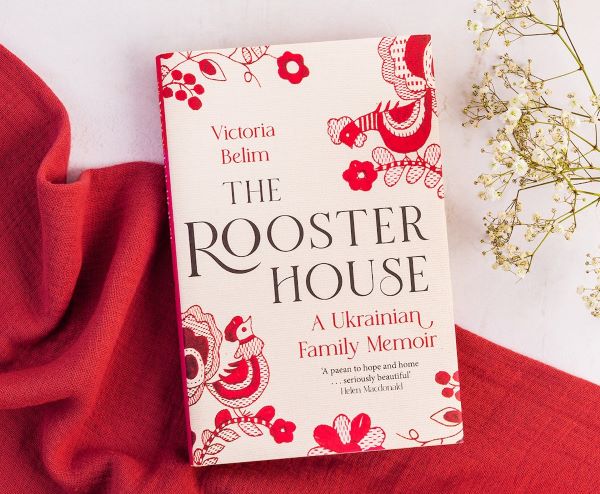
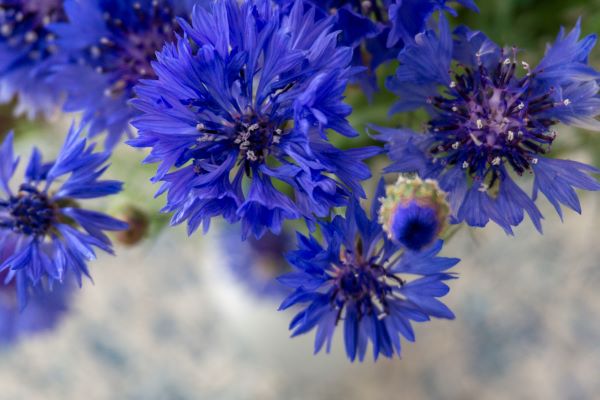
I came back from the market the other day with a big bouquet of cornflowers and as I sat admiring their vivid color, I realized that these blue flowers are my quintessential summer blossom. Their scent is delicate, green, slightly musty, but the fascinating aspect of olfaction is how such subtle aromas can evoke strong memories. I smelled cornflowers and I could see the wildflower meadows of Poltava, the region in Central Ukraine where I spent the first 15 summers of my life. I could smell the watermelon, feel the sticky peach juice on my fingers and catch a whiff of my great-grandmother distilling rosewater. Being unable to travel there makes me more nostalgic–and renders the familiar scents more intense. Instead of being melancholy after smelling cornflowers, as one might imagine, I felt rejuvenated and uplifted.


This experience inspired me to focus my new video on my favorite summer perfumes. I reflected on what fragrances I gravitate to in the summer and why. While the exact perfumes might change year to year, the main idea stays the same–I wear fragrances that feel refreshing in warm weather and that evoke the pleasant idleness of a good vacation.

Continue reading →

Learning Scents (or Words) : A Few Tips

Recently I was making a new series of videos on learning languages, and as I was jotting down notes on learning words, I realized that for my studies I use the same memorizing techniques that I had used to learn ingredients in perfumery school. I wonder if my language learning didn’t accelerate during my training. After all, memorizing something intangible like a scent is even harder than memorizing a new word. Either way, I would like to share my tips on retaining smells in your memory, and you can see how you can apply these techniques to memorizing anything else.

If you wish to have a set of oils or spices ready, I recommend starting with no more 3. It might seem like very little, but if you learn to memorize those three scents and learn to pick them out in a blend, you can expand your exercises to a much greater number. Polish your technique with a few scents at a time.

For instance, my recommended smells for learning would be the following three: lemon (you can use the real fruit by scratching the peel), clove (you can use spices that you have at that time), and vanilla (you can use extract). You’re likely to have them already, and they’re used a lot in perfumery. Just because they’re familiar, however, don’t assume that you know all of their facets.

I emphasize the parallels with language studies to help you find your own connections. I’m sure all of you have pursuits that require memorization, so you can rely on the same techniques for learning aromas. Your techniques might differ from mine, but it doesn’t matter as long as they are effective.

Continue reading →

Tuberose Perfumes for Men and Women – The Most Voluptuous of Flowers

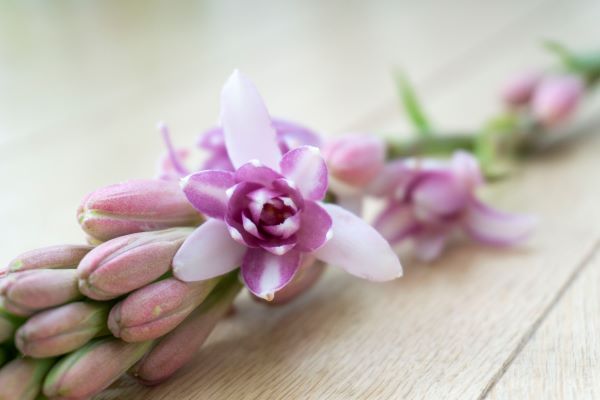
What flower evokes all things lush and sensual to you? To me, it would definitely be tuberose. This blossom has many elements that make it complex and voluptuous, from the sweetness of its fruity facets to the creaminess of its coconut facets. Tuberose contains lactones, hence the coconut effect, but it also includes indoles, aroma-molecules that lend it a particularly smoldering and intriguing character. So nuanced is tuberose absolute that with few adjustments it can be made into a proper perfume. On the other hand, so distinctive is tuberose that a clever blend of coconut and another white floral can give a believable tuberose effect to a floral bouquet.

Talking about tuberose, I think that it makes sense to expand the discussion and include a few more excellent examples as well as to highlight tuberose scents that would work for men. This note lends itself to experimentation.

Continue reading →

As Seen On

Design by cre8d
© Copyright 2005-2026 Bois de Jasmin. All rights reserved. Privacy Policy