Perfume 101: 517 posts

Here you can find how to guides to selecting, testing and enjoying scents. Also includes are the lists of our top favorite perfumes for different occasions and articles covering all range of topics related to fragrance. If you’re curious to step inside a perfume lab (or even become an industry professional), this group of essays will be of interest.

Mint and Other Cooling Perfumes

Have you ever wondered why some perfumes feel cooling, giving you a refreshing sensation, and others produce little effect, despite being dosed with classical fresh ingredients like green leaves or citrus? In my recent piece for the FT magazine, Mint Scents for High Summer, I explain this phenomenon and suggest several fragrances that are cooling.
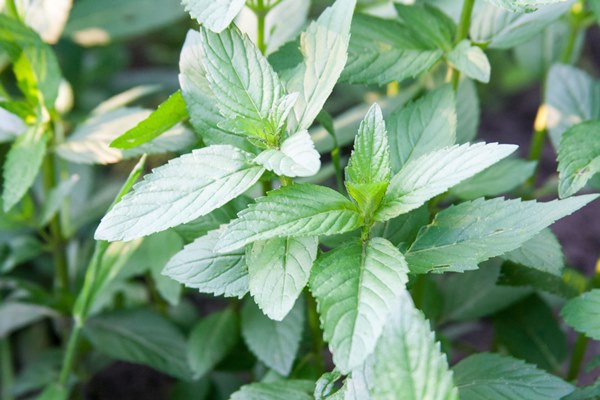
Citrus, green leaves, tart fruit and lily of the valley are all described as cool scents, but only a few aromas are actually cooling. The difference may seem subtle, but while a cool perfume merely evokes pleasant associations, a cooling one has an instantly refreshing effect. One of the most crucial cooling ingredients is mint. Menthol, the main component of mint essence, triggers the cold-sensitive TRPM8 receptors found in the skin – a curious trick that is responsible for the icy burst one experiences when drinking a mint julep. To continue reading, please click here.

What about your favorite cool or cooling scents? And what perfumes have you been wearing lately?

Photography by Bois de Jasmin

Perfumes for Reading The Pillow Book

“Things that make your heart beat fast: to wash your hair, apply your make-up and put on clothes that are well scented with incense. Even if you’re somewhere where no one special will see you, you still feel a heady sense of pleasure inside.” The woman who wrote these lines was a 10th-century Japanese lady-in-waiting in the Heian court. We only know her title, Sei Shōnagon, not her real name, but The Pillow Book ensured her fame. In my recent FT magazine article, Three Perfumes for Sei Shonagon, I select three fragrance to accompany the Japanese literary masterpiece.

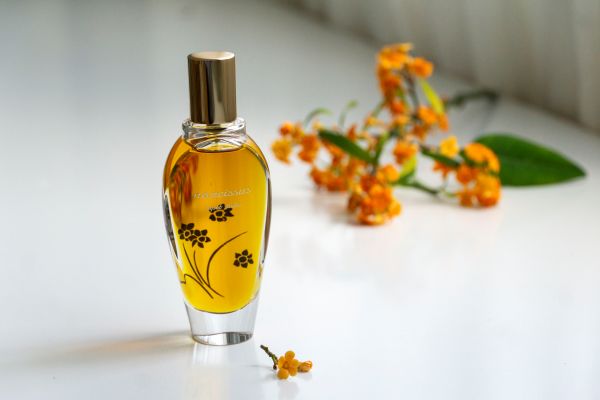
“For a fragrance that evokes Sei Shōnagon’s description of the royal palace – the carved screens, incense smoke and rustle of silks – I turn to Arquiste’s Nanban. It’s dark and plush, with velvety layers of myrrh, sandalwood and leather, but the infusion of osmanthus, a blossom that smells of apricots and tea, gives a candlelit glow to the composition.”

Have you read The Pillow Book? Do you ever select scents that match the mood of your favorite books?

How to Capture the Aroma of Mango

Describing the scent of ripe mango I’d have to resort to the most unusual contrasts. It’s syrupy sweet and yet refreshing, floral and piney, honeyed and spicy. A hint of rot, that essential aroma components of many tropical fruits, gives it an intriguing twist. It’s the most luscious and seductive expression of nature’s diversity. Yet, capturing the scent of mango in a perfume is complicated, and this is the topic of my FT magazine article, Mango’s Aroma.

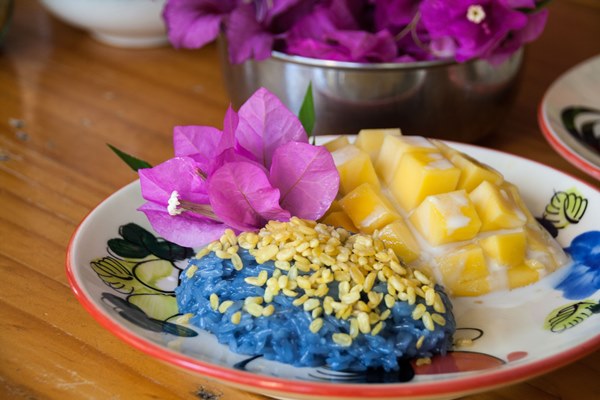
The Thai dessert of mango and sticky rice seems custom-made to inspire a perfume. It has the sweet top notes of ripe mango, the creamy heart of coconut milk, the savoury finish of steamed rice and the delicate floral accent of palm sugar. Yet it wasn’t until perfumer Calice Becker created Moonlight in Heaven for Kilian in 2016 that I could finally enjoy the delicious twists of my favourite pudding in a fragrance. To continue reading, please click here.

Photography by Bois de Jasmin
Late Summer Lindens, Lingering

Lindens have long finished blooming. They seem so distant, the early summer days when the city was filled with the fragrance so sweet and rich that I felt like I was wading in honey and even when I would return home, the perfume clung to my skin, my hair, my clothes. These days linden trees stand green and splendid, with no trace of blossoms on their branches. And yet, I can still smell the linden fragrance. I only need to ponder about it for a moment to conjure up the heady summer days and the lindens.

I always regret seeing the linden blooming season come to an end. It’s one of the summer highlights for me, especially so given its brief duration. While it lasts, I try to imprint the linden perfume in my memory to keep it as a souvenir for later. The appeal of scents is in their immateriality, their intangibility–and in the way they can be retained in your mind to inspire you later.

Wrapping up these reflections, I wanted to share with you a song I love. It’s called Spring (Vesna), and it’s performed by a Ukrainian band DakhaBrakha, one of the most innovative and original music groups. They use traditional songs in modern arrangements, and “Vesna” captures the season’s moods, from effervescent to mellow.

Photography by Bois de Jasmin
Crisp Summer Fragrances : Not Colognes

As much as I love colognes and find them refreshing on a hot day, sometimes I want to mix things up. After all, citrus is not the only thing that feels cool and uplifting. This is the topic of my recent FT magazine article, Summer scents that are crisp, cool – and rather unexpected.

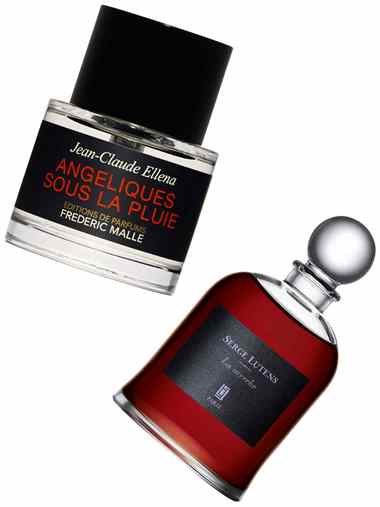
Even more unusual, however, is the coolness suggested by myrrh, a rich and complex ingredient hinting at liquorice, driftwood and green sap. In ancient times, it was burned as incense, added to wine as a digestive or blended into perfumes to give them a lingering, suave finish. The latter is the reason I seek out myrrh-based fragrances; they are at once velvety and cool – the most intriguing of contrasts. One of the best examples is Serge Lutens’ La Myrrhe (£170 for 70ml EDP), a languid rose, smothered in myrrh and bitter almond. The champagne-like effervescence of aldehydes, the aromatic compounds found in rose petals and orange peel, lights up the composition. To continue reading, please click here.


What perfumes are you currently wearing and what is your fragrance today?

Image via FT

As Seen On

Design by cre8d
© Copyright 2005-2026 Bois de Jasmin. All rights reserved. Privacy Policy