Perfume 101: 517 posts

Here you can find how to guides to selecting, testing and enjoying scents. Also includes are the lists of our top favorite perfumes for different occasions and articles covering all range of topics related to fragrance. If you’re curious to step inside a perfume lab (or even become an industry professional), this group of essays will be of interest.

Sugar Free

If you’ve been asking yourself why so many fragrances are sweet these days, then you are not alone. Even non-gourmand blends are getting sweeter, be they floral or woods. In my latest column in the FT magazine, Six Sugar-Free Perfumes, I explore various options that veer away from sweetness.
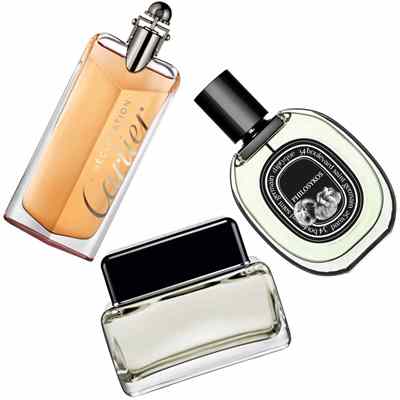
“Why does every perfume turn so sweet on me?” complained a friend, sparking a mission to find her a fragrance that didn’t have caramel, chocolate or other patisserie notes. With the success of Thierry Mugler’s Angel and other popular gourmands, perfumes have been growing sweeter and more edible over the years. While only recently a cotton candy accord of Lancôme’s La Vie est Belle would have been considered more suitable for pudding than perfume, today it’s a new benchmark. Our appetite for sugar seems to have found a parallel in the olfactory realm, and every season there are more perfumes promising to replicate famous desserts from crème brûlée to apple pie. To continue reading, please click here.

What other non-sweet perfumes can you recommend, for men and women?

Photography via FT HTSI
Scent of Cherries

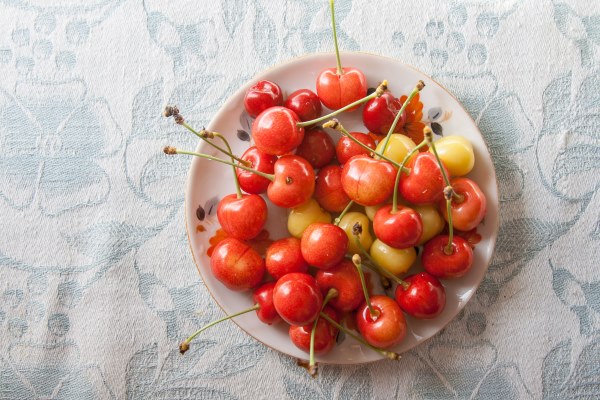
Before working for a fragrance and flavor company for several years, I had often wondered why cherry-flavored candy tasted nothing like the real thing. It turns out that just as perfumers have their classical accords to create the scent of rose, amber or jasmine, so do the flavorists. The cherry accord, for instance, is based on a compound called benzaldehyde, which has an almond-like scent, and since the molecule is present in cherry pits, it inspired the cherry flavor most of us recognize from sweets, liqueurs and cough syrups. Even if it lacks the tartness and floral accents of real fruit, today’s flavorists are bound by public expectations to keep to the classical cherry accord. Anything else may not register as cherry to many people.

In my recent FT magazine column, Scents of Cherries, I write about the flavor and fragrance of cherries and explore fragrances that capture something of the natural cherry scent. Cherry accords can appear in the most unexpected contexts in fragrances, from delicate colognes to warm orientals, without losing their distinctiveness. So, I share some of my favorites.

Right now, I’m also enjoying the cherry season, and I look forward to the sour cherries. They may taste tart, but they smell sweet and heady.

Photography by Bois de Jasmin


Roses and Honey

Poltava, in central Ukraine, is famous for its honey. Every year the city and its environs host fairs celebrating honey in all its forms, and whenever I visit my grandmother, who is a Poltava native, I enjoy this sweet treat in gingerbreads, cakes, drinks and even savory dishes. One of the most beloved local pairings is first-of-the-season honey drizzled over cucumbers.

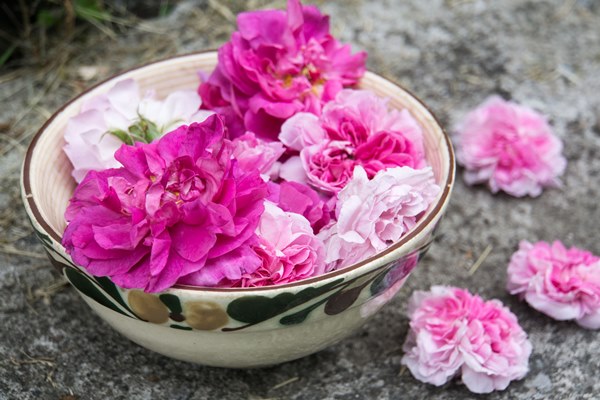
On a recent visit, I discovered yet another way to eat honey – infused with roses. It was heaven. So, for my recent FT column, The Fragrance of Honey and Roses, I’ve decided to recreate this combination and to find fragrances that are build around the rose-honey accord.

Continue reading →

Salt and Flowers

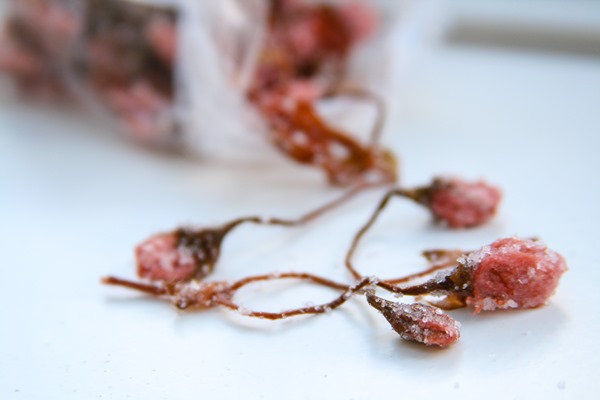
A Japanese friend once served me a cup of sakurayu, a salted cherry blossom tea that she brought from Kyoto. The flowers unfurled slowly in the hot water, turning the liquid a shade of pale pink and infusing it with the aroma of almond and apricot. This springtime drink made me wonder what it is about the combination of salt and flowers that makes it so intriguing. The topic of salt and flowers is the subject of my FT column, Magic of Salt. I explore salty effects in perfumery and the way they can uplift floral notes.

Salt has its own mild scent and, depending on its processing and provenance, it ranges from bitter and iodinated to flinty and flowery. However, the magic of salt is its ability to volatilize the aromas of other ingredients. You can experiment by cutting a tomato in half and smelling it raw. Then sprinkle it liberally with salt, wait for a few minutes and have another inhale. Even if your tomato is an uninspiring greenhouse variety, once salted, it will have a more pronounced perfume. To continue reading further, please click here.

Continue reading →

Hyacinth Perfumes That Spell Spring

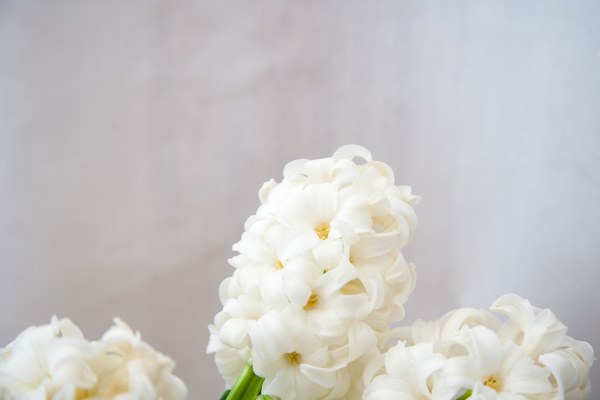
Spring is not spring for me unless it has hyacinths. I buy the forced bulbs and leave them around the apartment to wait for the moment when the flowers open up and fill the air with their perfume. The scent of hyacinth is not as delicate as that of many other spring blossoms; it’s rather heady and sweet, with an earthy note. It can sometimes be overwhelming, but the contrast is the reason why the fragrance appeals to me – and to other perfumers. Its complexity is an endless source of inspiration. In my latest FT column, Seven perfumes that tap the headiness of the hyacinth, I talk about this note and how it can be used in fragrances.

The green accent of hyacinth is often used in both masculine and feminine fragrances, even if the hyacinth itself plays a secondary role. Its verdant, crisp note brightens up the unripe mango in Hermès Un Jardin sur le Nil, adds depth to the fig accord in Marc Jacobs for Men and softens the sharpness of leather and galbanum in Chanel No 19. In each case, hyacinth blends smoothly into the composition, buttressing the elements with an aroma that recalls crushed fresh leaves. To continue reading about my other hyacinth gold standards, please click here.

What are your favorite fragrances with hyacinth or other spring flower notes?

Photography by Bois de Jasmin

As Seen On

Design by cre8d
© Copyright 2005-2026 Bois de Jasmin. All rights reserved. Privacy Policy