Perfume 101: 517 posts

Here you can find how to guides to selecting, testing and enjoying scents. Also includes are the lists of our top favorite perfumes for different occasions and articles covering all range of topics related to fragrance. If you’re curious to step inside a perfume lab (or even become an industry professional), this group of essays will be of interest.

Why Perfume Doesn’t Last and what to do about it

You have found a perfume that seems perfect – the first few moments post-application are enjoyable but then, over the course of the day, you find the scent has disappeared. You might as well not have worn anything. Fragrance that doesn’t last is one of the most frustrating occurrences for a perfume lover, and I’m often asked to explain why it happens. And that’s what I do in my FT column, The Long and The Short of It: making perfume last.
I explain why some fragrances have a fleeting presence, how to test for it, how to correct for it and give examples of perfumes with different types of presence. You can also read my article, One Perfume, Four Ways to Wear It, with other tips on making perfumes last.

One of the reasons a perfume doesn’t last is because of our physiology. To put it another way, your perfume is still present, but you stop smelling it and hence it seems as if it has disappeared. This phenomenon is called olfactory fatigue, or olfactory adaptation, and it happens when odour receptors are saturated with an aroma to the point that they stop sending a signal to the brain about it. If you wear the same perfume every day, such an olfactory adaptation is likely to happen. Also, some materials are more likely to cause an olfactory fatigue, such as ambers, sandalwood and other heavy, enveloping woods. To continue reading, please click here.

As I was writing the article, I became curious to find out from you if longevity is the most important characteristic in a perfume? If you find a perfume you love but that doesn’t last, will you still buy it?

Photography by Bois de Jasmin
What to Look for When Selecting a Perfume

Selecting a perfume remains an ever popular topic among the questions you send me, and in my recent FT Magazine column, The Subtle Art of Selecting a Perfume, I offer a few recommendations for finding the right fragrance. As always, the right fragrance is not the one recommended by sales staff or the one that smells good on someone else. It’s not even the one that has a pleasant scent. Rather, the perfume that you’ll enjoy wearing for a long time is the one that triggers an emotion, unlocks something in your memories and makes you feel uplifted.


As such, the quest for a perfume is an intimate one, and my number one piece of advice is not to rush it. Also, don’t be swayed by the opinion of others as you test.

Whenever I’m asked by friends and readers for recommendations, instead of simply listing fragrances I begin by trying to determine which scents make them feel good. Or, to use Kondo’s phrase, which perfumes spark joy for them. One such composition for me is Serge Lutens’ Iris Silver Mist. It’s a cool, polished fragrance based around the scent of iris root, and when I wear it, I feel as if I’ve stepped into a secret garden filled with pearly light and the soft rustle of leaves. To continue reading The Subtle Art of Selecting a Perfume, please click here.

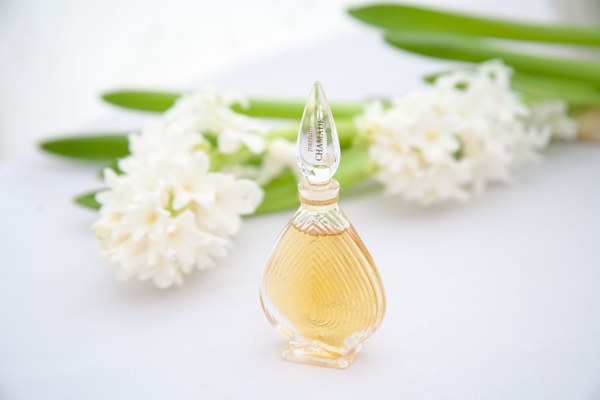
What fragrances spark joy for you these days? For me, it’s Guerlain’s Chamade. Of course, if you have your own tips on selecting a perfume, please share. 

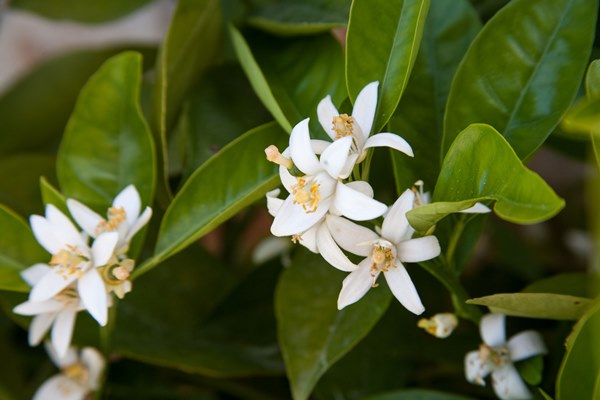
What Does Orange Blossom Smell Like?

Orange blossom is one of the most popular floral notes in perfumery. It can star in any family and add its special twist to almost any accord. If you like delicate and fresh, you might enjoy orange blossom in Annick Goutal Néroli and Jo Malone Orange Blossom. If dark and somber is more of your mood, then Caron Narcisse Noir and Serge Lutens Fleurs d’Oranger will fit the theme.

Orange blossom in perfumery comes from the bitter orange tree, and it’s called neroli if it’s steam-distilled and absolute if it’s extracted with solvents. (You can read my article for more detailed comparisons and examples of fragrances with these two materials). Both of these materials are expensive, although not as much as rose or jasmine essences. Neroli has a green accent that makes it perfect for colognes, mossy blends and fresh marine compositions, while the smoky twists of orange blossom absolute lend it complexity and drama that unfolds well in the similarly spiced, incense-embellished perfumes.

Continue reading →

Tonka Bean, Chocolate Salt and Three Perfumes

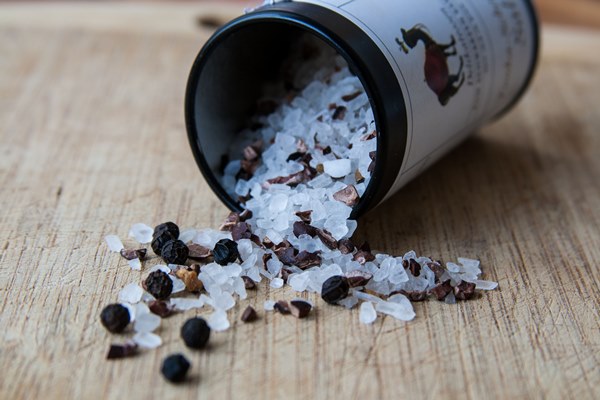
Several years ago, a friend gave me a jar of chocolate and tonka salt from a Viennese outfit called Zum Schwarzen Kameel. It’s a delicatessen and a culinary complex famous for its unique interpretation of classical Austrian specialties. The salt was a mix of coarse salt crystals, black pepper, pieces of cacao beans and tonka. Only a small quantity of the latter was present, but its cherry-almond scent made the salt a heady, fragrant mixture. I’ve used it on grilled meat and fish, but it shone best on winter vegetables like cabbage, turnips, swedes, potatoes, and parsnips. I’ve since made my own version, using equal amounts of black pepper and cacao beans and a smidgen of tonka shavings for perfume. The recipe is at the end of the article.

The reason I was stingy with tonka bean in my blend is because it’s a potent ingredient.  The scent of toasted almonds, amarena cherries, sun-warmed hay and vanilla custard lingers well, and tonka bean’s is one of the most luscious and seductive aromas in a perfumer’s palette. It was also responsible for a revolution in modern perfumery.

Continue reading →

L’Artisan Parfumeur Mont de Narcisse : Perfume Review

44444

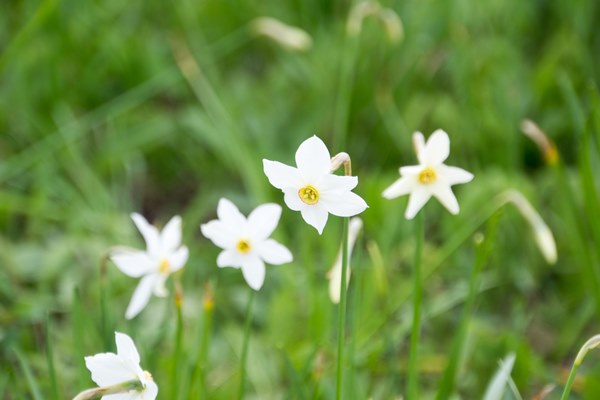
Narcissus is a flower that doesn’t smell floral. In general, the perfumery palette abounds in aromatics that play tricks on the senses. For instance, an iris note in fragrance smells more of carrots than of blossoms. Patchouli, a leaf, smells like woods. And so on. Narcissus, however, is one of the most intriguing ingredients. If you expect petals, April showers and gauzy lightness, you’ll be in for a surprise.

On its own narcissus absolute smells of woods and leather and has a facet reminiscent of damp hay. If you let it develop on a blotter and sniff it the next day, you’ll notice caramelized spices–cinnamon and clove–and a hint of musk.  It’s a powerful material and it often plays the role of a supporting player in the composition, lifting up the delicate floral or citrus accords or else accenting the woods and animalic notes. Guerlain’s Vol de Nuit is one of the best examples of narcissus in classical perfumery.

Continue reading →

As Seen On

Design by cre8d
© Copyright 2005-2026 Bois de Jasmin. All rights reserved. Privacy Policy