Perfume Notes: 112 posts

Articles on perfume ingredients and fragrance terminology

Bitter and Sweet Chamomile : Perfume and Tea Note

I am spending a summer afternoon at my grandmother’s in my favorite manner–stretched out on the grass, reading a book. Absentmindedly, my eyes glued to the page, I pick a small flower from a patch in front of me and bring it to my nose. In that instant, I forget about the book, and the only thing capturing my attention is the poignantly familiar aroma of chamomile, of bitter honey and green apple.

chamomile3

The reason chamomile, a simple, ubiquitous flower, puts me under its spell so quickly is that the herb used to be a favorite cure-all remedy in our household during my childhood. It was used in tisanes to help me sleep, lotions to soothe rashes or hair rinses. It’s the smell of summer in the countryside, and when my great-grandmother was alive, at this time of summer we picked baskets of chamomile and dried them in the shade. These days we don’t bother anymore, and my grandmother is happy just to buy the ready-made chamomile teas from the pharmacy. But since I have nothing but time and plenty of chamomile around me, I find an old wicker basket and gather a few handfuls of flowers. Spread out in a thin layer, they look like a polka dot extravaganza, and the scent intensified by the sun is unexpectedly lush.
Continue reading →

From Petal to Essence : Grasse Rose Harvest

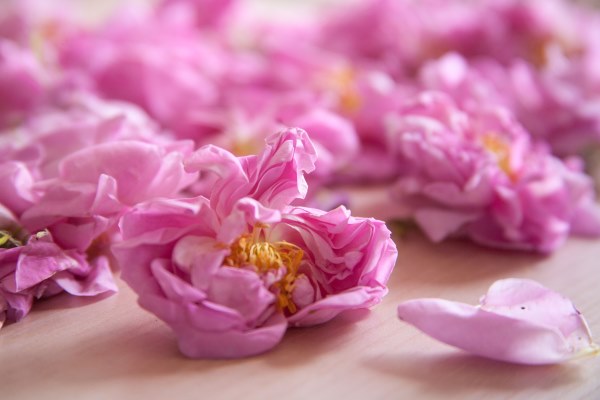
I’m drunk on roses. I’m flailing my arms around, making snow angels in the rose petals, and I’m laughing uncontrollably. The experience of sinking into a mass of soft pink petals is an exhilarating sensation, but it’s the scent that thrills me. The fragrance is clinging to my hair, my clothes, my skin. It clings to the rough cement walls in this garage filled with sacks of rose blossoms ready to be processed into essence, and it’s so rich and heady, it feels like a tangible presence. The aroma–linden honey, grated lemon zest, and warm raspberry–will follow me around for days, and even now, as I’m writing with a bowl of dried petals by my side, I can still smell the Provençal sun on them.

roses11

How many steps does it take for a flower to become perfume? I’m in Grasse, a town on the French Riviera, to get a glimpse into the intricate process of harvesting roses for the rose de mai essence. Painters express their vision with colors, but for perfumers and perfume lovers alike, the ideas acquire meaning with aromatics, so the art of making the essence is what we are to discover.

Continue reading →

All About Jasmine Perfumes

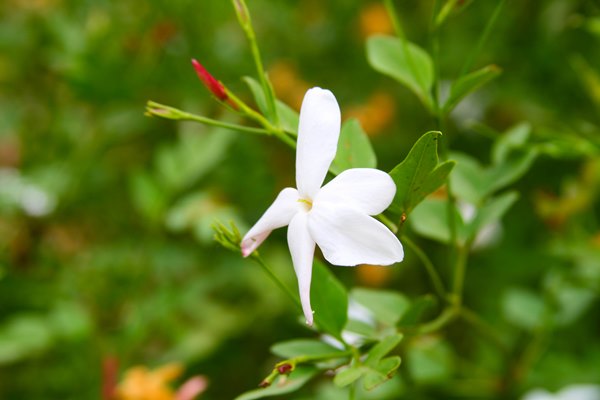
Bois de Jasmin is turning 9 years old this spring, something that I find hard to grasp. Has it really been this long? But what I need not reassert for myself is my love of jasmine. The small white flowers don’t have the Hollywood glamour of roses or the regal elegance of iris, but their scent is so luscious and complex that it has few rivals. One of the first articles I had written for Bois de Jasmin was about jasmine. I described how jasmine essence is obtained and mentioned representative jasmine perfumes but an update has been long overdue.

jasmine

Although most jasmine used by perfumers comes from Morocco, Egypt, Italy and India, the five petaled flowers are still the symbol of the French art of perfumery. At one time the hills of Grasse in the South of France were thickly planted with jasmine, the picking of which involved the whole town. It is one of the most revered and intriguing materials in the perfumer’s palette. Jasmine smells of bananas and apricot jam but also of horse sweat and mothballs. One moment you notice the springlike freshness of white petals and the next you’re seduced by its hot animalic breath. Even a hint of jasmine essence can lend a seductive, voluptuous layer to the composition.


Romance aside, most perfumes named jasmine don’t contain any natural jasmine essence. It’s one of the most expensive ingredients, and few brands can afford it.  Depending on the origin and quality, a pound can fetch anywhere from $4,000 to $9,000. The sheer effort involved in producing jasmine essence is astounding. The flowers have to be picked by hand and processed immediately, before the rot darkens the delicate petals. Six million flowers are needed to create 1 kilogram of jasmine absolute. That means more than 800 hours of picking.*

Continue reading →

How Many Roses Does it Take to Make a Drop of Essence?

Here is a bit of perfume math: 4 tons of roses = 1 600 000 rose blossoms = 1 kg of rose oil. No wonder rose oil is one of the most expensive essences, and a kilo of golden liquid will fetch around $7000. The cosmetics company Lush uploaded a terrific video about the rose harvest in Senir, a town in the Turkish province of Antalya, and it shows all stages of rose oil production, from handpicking the blossoms to turning them into the essence. The video also helpfully explains the difference between rose oil and rose absolute.

Update 2021: The video is no longer available, but I suggest searching YouTube for other videos of rose harvests in Turkey, Bulgaria, and France.

How Balsams are Harvested for Perfume

Peru Balsam is one of the workhorses in a perfumer’s palette providing a solid base note and voluptuous drydown. It’s a resinous material that, depending on the extraction method and provenance, can smell either warm and ambery or smoky and spicy. When you enjoy perfumes like Hermès  Elixir des Merveilles, Serge Lutens Amber Sultan, or Yves Saint Laurent Opium, you’re admiring the complexity of this interesting note.

I have enjoyed experimenting with Peru balsam ever since my early days in perfumery school, but it was only last year that I discovered how it’s grown and collected. The process hasn’t changed much since antiquity and it’s fascinating. I had been meaning to write about it when I discovered something even better. A company, Nobs Naturals, uploaded a video on Youtube showing how Peru balsam is gathered and you can see for yourself what it’s like.

Nobs Naturals provided the following explanation:

“A piece of bark measuring about 36 by 6 inches is removed starting from the lower part of the tree trunk. The tree can be harvested at all heights of its trunk, which can have a height of over 30 meters. The exposed area is then burnt with a torch, and then a piece of dry cloth is placed on the wound to absorb the oleoresin produced by the tree in response to the treatment. After a month and a half the cloth is recovered and the oleoresin is extracted from it by boiling in water for many hours and then passage through a rustic wooden press. The bark removed from the tree trunk is subject to a similar process.”

Styrax, benzoin and many other balsamic-resinous materials are collected in a similar manner.

Extra: Tolu Balsam, Benzoin, Styrax and Other Oriental Balsamic Notes

As Seen On

Design by cre8d
© Copyright 2005-2026 Bois de Jasmin. All rights reserved. Privacy Policy