Perfume Notes: 112 posts

Articles on perfume ingredients and fragrance terminology

Bergamot : Perfume Note and Ingredient

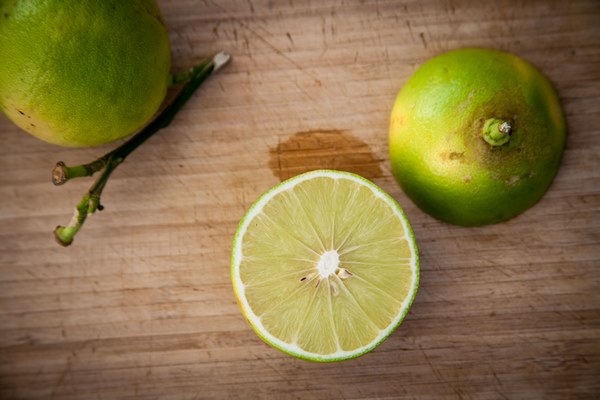
The first time anyone smells fresh bergamot, they usually have one comment, “Earl Grey!” We associate its peppery scent so much with the flavored black tea that it’s hard to picture bergamot as anything else. In reality, it’s a small citrus of the Citrus bergamia variety, and its fragrant essence that ends up in our tea and perfume is cold-pressed from the peel of unripe fruit.  The best bergamot oil comes from the province of Reggio Calabria in Italy, and for this reason perfume companies gladly flaunt the provenance by mentioning “Calabrian bergamot” in the note descriptions. The growing conditions on the plantations along the Ionian Sea coast are so ideally suited to this unique citrus that the region generates 90% of the world’s production.
bergamot2

I call bergamot unique not because of an enthusiastic overstatement; it’s unlike other citrus used in perfumery. Bergamot is zesty and sparkling, but not pungently acidic. For the perfume geeks among you, the main constituents of its oil are the floral-crisp linalool and linalyl acetate (in contrast to lemon, orange or mandarin, which are dominated by the icy sharp limonene). Linalool also gives lavender and coriander seeds their distinctive note, so in some aspects bergamot has more in common with aromatic herbs than tart citrus. Then imagine a note reminiscent of freshly ground black pepper draped over the floral freshness, and you have bergamot.
Continue reading →

Perfume Flankers 101

Today fragrance flankers are more numerous on the perfume counter than ever before. Elisa explores how this trend originated and describes some of her favorite examples. After all, some flankers (like Chanel Coco Mademoiselle) have become famous perfumes in their own right.

What is a flanker?

A flanker is the perfume world’s version of a sequel or spin-off: Like The Empire Strikes Back or Charles in Charge, a flanker builds off the success of an existing hit rather than starting over fresh with an entirely new concept. Flankers are a way for perfume brands to capitalize on the popularity of a successful launch, at a lower cost than starting from the ground up. The hope is that fans of the original perfume (or “pillar” fragrance) will also be interested in the flankers, and that people who found the original appealing but not quite right for them (too heavy, for example) will be persuaded to purchase a re-imagined version.

hypnotic-poisonmiss-dior-cherie

The first flankers appeared in the 1970’s. Nina Ricci Signoricci 2, created in 1975, was a flanker to Signoricci from 1966. Other flankers from this decade include Royal Copenhagen Musk (1976) and Norell II (1979). Today, nearly 1 in 5 new launches is a flanker – according to Michael Edwards’s Fragrances of the World, in 2012, out of 1,392 total perfumes launches, 252 were flankers (18%).

Continue reading →

Of Horses, Leather and Perfume

Patricia on her absolute favorite animalic scent.

One person’s poison is another’s…well, perfume. This is never clearer to me than when I enter the horse barn. Immediately I am surrounded by scents, both pleasant and not. Hay and leather mix with the earthy smells of manure, dirt, wood stalls, and the acrid smell of urine, all blended with the rich loamy fragrance of the horses themselves. Those who love only clean scents would not find this a pleasant place to visit, but I love to immerse myself in this world for hours at a time and enjoy all aspects of it, from currying, brushing, and bathing my horse, to riding and rubbing scented saddle soap and conditioners into my  tack before putting it away.
horses1

Many of the fragrances I wear on a daily basis remind me of my time at the barn. Leather and horses go together, and leather fragrances are among some of my favorites.

The Big Guns

Robert Piguet Bandit, if not the oldest of the “old broads,” is certainly one of the most assertive. I have an old bottle of unknown concentration, but the current version is just as potent. Bandit’s combination of everything leathery and animalic needs to be experienced. I may not wear it frequently, but I unstop the crystal stopper often to breathe in its dark richness.


Continue reading →

Sunshine Dreams : Tropical Flowers

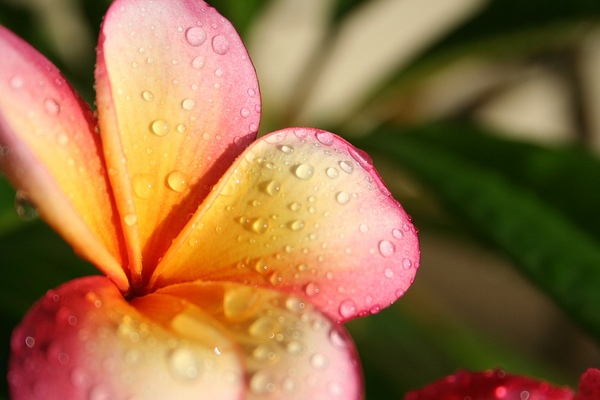
Every now and then I have a longing for a picture perfect holiday, the kind advertised at tourist agencies with the ubiquitous image of blue waves, white sandy beaches, and a bronzed goddess in a bikini. Deep down I know that I’ll get tired of this kind of vacation after two days–and a beach bunny I’m not at all, but on an overcast, cold day, the allure of warm sand and sunshine is hard to deny. These kinds of blues–and that’s exactly what my longing indicates–have little to do with the weather and lots with stress and fatigue, and I’ve come to recognize them quickly before they take complete hold of me.

plumeria3

The easiest way to recreate the ambiance of a vacation is to find things that feel uplifting. I bring home bouquets of flowers to add a splash of color to my surroundings, float rose petals in my evening bath, and burn sweet Japanese incense in the bedroom. Then I temporarily set aside my beloved cool irises and woods for the most exuberant perfumes of all in my collection–the tropical florals.

Continue reading →

Sea Salt and Brine : Perfume Notes

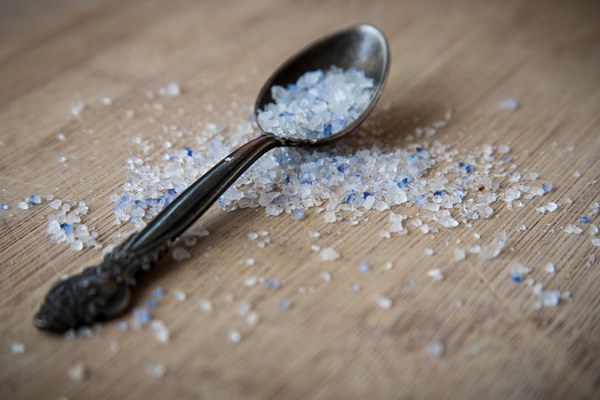
Does salt have a scent? “It depends on what salt you’re talking about,” says Benoît, who hails from Guérande, a French town in southern Brittany famous for its salt marshes. We meet by chance  at an airport lounge, and as he observes a book I’m reading, Jean-Claude Ellena’s Le Parfum, we strike up a conversation about scents. “Guérande’s fleur de sel smells of violets.” As he explains, refined table salt is about 97 percent sodium chloride and it’s virtually scentless, but sea salts from different regions have  impurities that give them a distinctive flavor and scent. Fleur de sel is hand harvested salt from the tops of salt marshes, and while Benoît is passionate about it, he urges me to try different salts and compare. “If you create a perfume based on Guérande’s fleur de sel, please let me know,” he says as we bid each other goodbye.

salt

While I’m yet to visit Guérande to experience the violet perfume of its famous salt ponds, I’ve been noticing the salty nuances in my perfume bottles. My salt collection has likewise grown. Even the sharp iodine scent of table salt now seems obvious to me, not to mention the roasted aroma of Korean bamboo salt or the earthy bite of Javanese lava salt. I’m suddenly discovering a whole new universe of saline flavors.

Along with sweet, sour, bitter, and umami, salt is one of the five basic tastes and it’s much easier to understand it as such–the sensation that you experience when a salt crystal melts on your tongue. But in perfume, the effect can also be distinctive. Spray The Different Company’s Sel de Vétiver or Lalique’s Encre Noire and notice the briny note that you can almost taste.

Continue reading →

As Seen On

Design by cre8d
© Copyright 2005-2026 Bois de Jasmin. All rights reserved. Privacy Policy