4 stars: 439 posts

4 stars means “very good,” a fragrance with enough character to be memorable, and enough tenacity and diffusion to be noticed. It may either lack that ineffable “spark” that makes a perfume truly outstanding for me or else it may simply need more time on the market to determine its staying power.

Hermes Myrrhe Eglantine : Perfume Review

44444

When I first heard of the new Hermessence collection, with its ouds and myrrhs, I was apprehensive. The previous additions to the line were all sheer, opaline and ethereal, and I couldn’t see how Middle Eastern inspiration could continue the same aesthetic. As it turns out, I underestimated Christine Nagel, the current in-house perfumer for Hermès, because Agar Ebène, Cèdre Sambac, Myrrhe Églantine, Cardamusc and Musc Pallida have the radiance that gives the house’s perfumes its distinctive quality. They also have curves and sensuality.
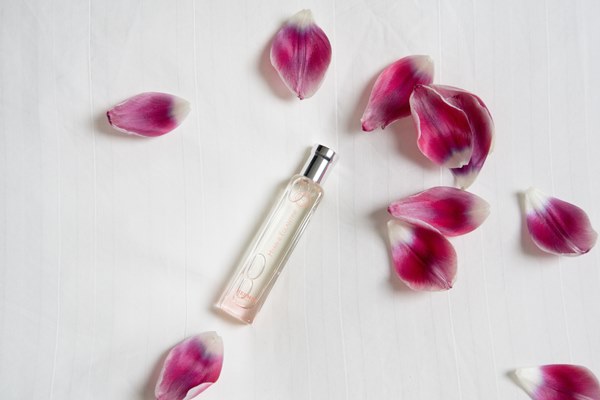
Myrrhe Églantine is the most classical of the five new Hermessence fragrances and the one that pays the most homage to an existing perfume, Rose Ikebana. Created by Jean-Claude Ellena, Rose Ikebana was one of the most underrated gems from the collection. Yes, it’s a pretty, fizzy rose, but it also had a level of precision and refinement that few other fresh roses possess. Myrrhe Églantine plays with the same shimmering effects, but it sets the rose against a velvety background.
Continue reading →

Atelier Cologne Jasmin Angelique : Perfume Review

44444

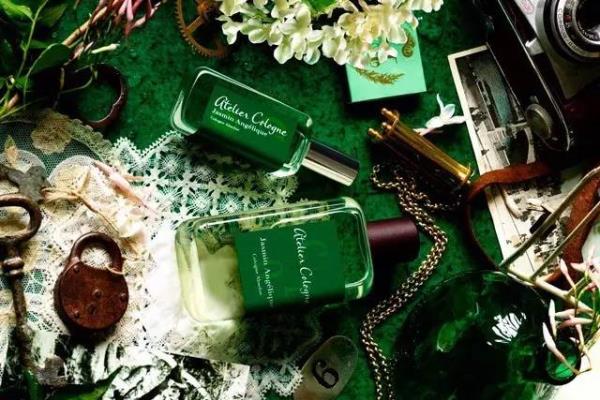
Angelica may seem like an esoteric perfume note to be obsessed with. If people associate it with anything, it’s with the candied green stems that make their way into cakes.  As I discovered when I was researching an article for my FT column, it’s an essential ingredient in many types of fragrances and a fascinating material. Angelica combines musky and green nuances with a bright, peppery touch, making it a perfect partner to florals, citrus, woods and musks. Atelier Cologne Jasmin Angélique is firmly in the floral camp, but its angelica layer gives the fragrance complexity and radiance.

The first impression of Jasmin Angélique is so green and peppery that it’s a surprise every single time I put on the perfume. It’s the hit of gin, the bite of black pepper and the pleasant bitterness of greens rolled into one accord. The illusion is created by the use of frankincense that can smell either dark or shimmering depending on what notes accompany it. Here it is paired with leafy notes, and the effect is dazzling.


Continue reading →

Atelier Cologne Café Tuberosa : Perfume Review

44444

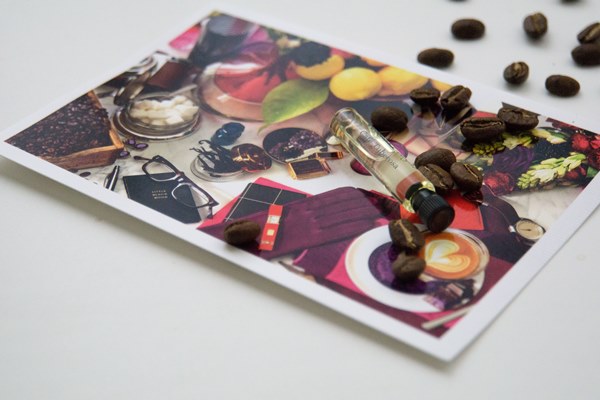
I sometimes notice that coffee smells better than it tastes–or that it doesn’t taste the way it smells.  Even the aroma of coffee, for instance, is difficult to sum up–sweet, bitter, spicy, acidic, toasted, burned, with hints of blackcurrants, chocolate and hazelnuts. Even more difficult is to render coffee notes believable in a perfume without making one smell like a badly washed coffee mug, or worse, a piece of grilled meat. Coffee notes are stubborn. I’ve been on a search for successful coffee perfumes for a while, and this fall I’m adding a new contender to my collection, Atelier Cologne Café Tuberosa.

The idea behind Café Tuberosa is clever–take a creamy tuberose accord, brighten it with bergamot and give it a bittersweet rush with coffee. All three are bold, strong notes, but the whole fits together so harmoniously that it makes me wonder why this motif is not more explored.

Continue reading →

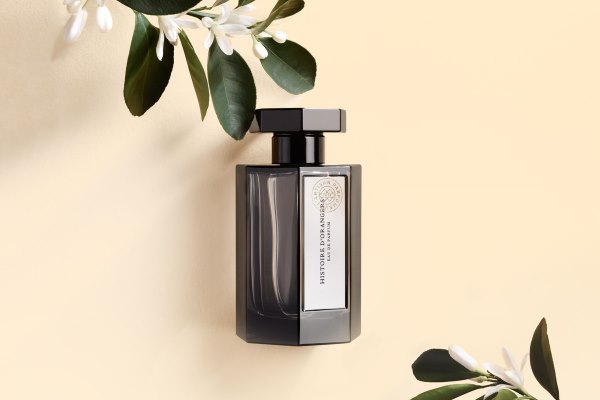
L’Artisan Parfumeur Histoire d’Orangers : Perfume Review

44444

This review of Histoire d’Orangers, a fragrance created by perfumer Marie Salamagne for L’Artisan Parfumeur, continues both the Women in Perfumery and The Scents of Tea series.

Annick Goutal’s Néroli was one of my favorite orange blossom perfumes. I loved its graceful, lighter than sea-foam character paired with its robust lasting power, and it made me content. Unfortunately, it turned out to be a limited edition and the Cologne version that replaced it was pretty but flimsy. Until I discovered L’Artisan’s Histoire d’Orangers this summer, I’ve been rationing my last few drops of Néroli.

On the face of it, I shouldn’t have had trouble finding a replacement for a simple orange blossom cologne. They’re a dime a dozen. You can have a bottle for a couple of euros (Roger & Gallet Bois d’Orange) or for a couple of hundred (Tom Ford Néroli Portofino). But as my perfumery teacher Sophia Grojsman says, nothing is more difficult than a simple thing. Many orange blossom colognes smelled either too pale (Jo Malone Orange Blossom), too dry (Hermès Eau d’Orange Verte), too flashy (the aforementioned Tom Ford), or just not right (Houbigant Oranger en Fleurs). The beauty of Annick Goutal’s Néroli was that it captured all the facets of the real thing, like the honeyed softness, indolic tang, and green sharpness, but made them refined and velvety. Every time I picked up the bottle and pressed the nozzle, I imagined a shower of white petals brushing my skin.

Continue reading →

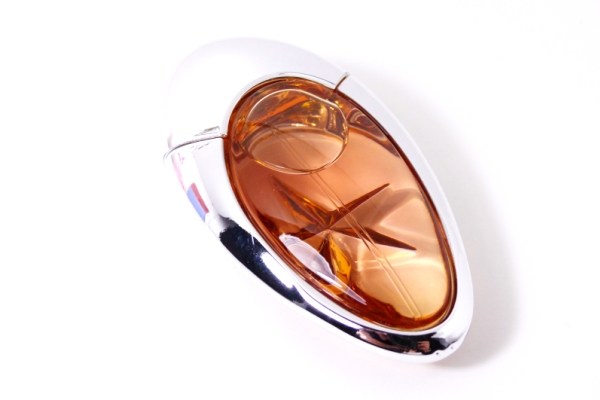
Thierry Mugler Angel Muse : Perfume Review

44444

Elisa on the Angel tribe and Angel Muse.

To my mind, the original Thierry Mugler Angel is pretty much unimproveable. Nevertheless, I enjoy almost all of its many flankers and spin-offs too. It’s like one of those great songs whose greatness is preserved in multiple cover versions. (“Wild Horses” and “Landslide” spring to mind.)

The latest version of Angel, Angel Muse, was billed in the ad campaign as “the new fragrance you will hate to love.” I’m pleased that the folks at Mugler have embraced Angel’s inherent divisiveness and want to nurture, rather than overwrite, that reputation. After all, is there any perfume from the past 30 years that inspires such strong love-it-or-hate-it reactions? I do, in a sense, hate to love it, since it’s so unpopular and so recognizable I wouldn’t really feel comfortable wearing it, say, to work or on an airplane, and I wear it most often at home.

Continue reading →

As Seen On

Design by cre8d
© Copyright 2005-2026 Bois de Jasmin. All rights reserved. Privacy Policy