financial times magazine: 23 posts

Rosewater Essence

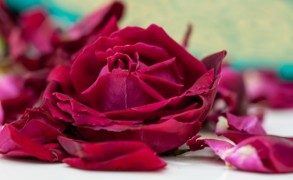
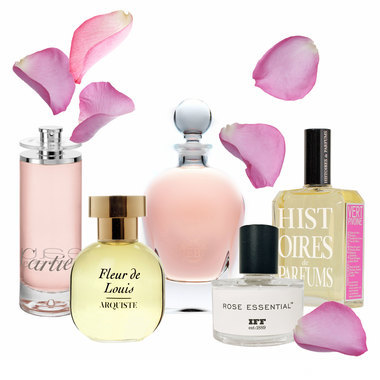
One of my recent FT columns is all about rosewater, a by-product of rose oil production. After the steam distillation runs its course, there remains a fragrant liquid, or rosewater. It’s used in cosmetics, food, medical preparations and home scents. Rosewater is not stable enough to be used in perfumery, but many rose oil producers have started re-distilling the rosewater and making so-called rosewater essence, or extract. It’s less expensive than rose oil and is packaged with words like sustainable and environmentally friendly, which it may or may not be. Nevertheless, it’s a curious product, and perfumers have been using more of it to create a fresh petal effect, or to soften the outlines of synthetic floral accords.
rosewater

The 11th-century Persian philosopher and scientist Avicenna is credited with many contributions to astronomy, geography, psychology, logic, mathematics and physics. He also found time to delve into perfumery and devised methods to extract essential oils, experimenting on roses. If Avicenna were to step into a fragrance lab today, he would orient himself quickly enough – modern perfumery is a curious amalgam of traditional techniques with state-of-the-art technology. Indeed, rose oil is prepared in much the same way as in Avicenna’s time – through the process of steam distillation. Continue here.

Previously, I also wrote about my favorite ways with this rose-scented liquid. Do you use rosewater? 

Image via HTSI
Perfumes and Books : a scented story

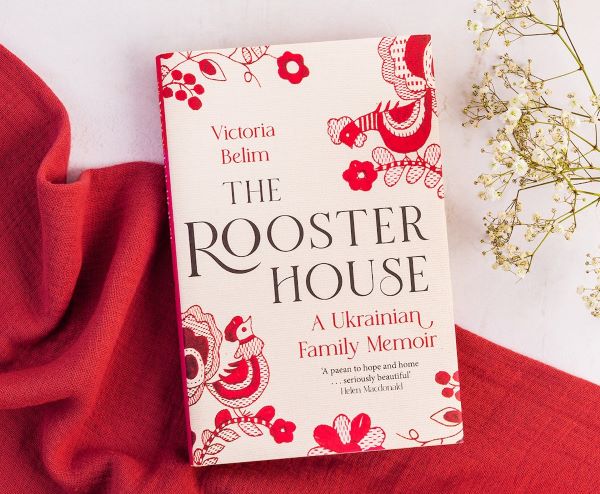
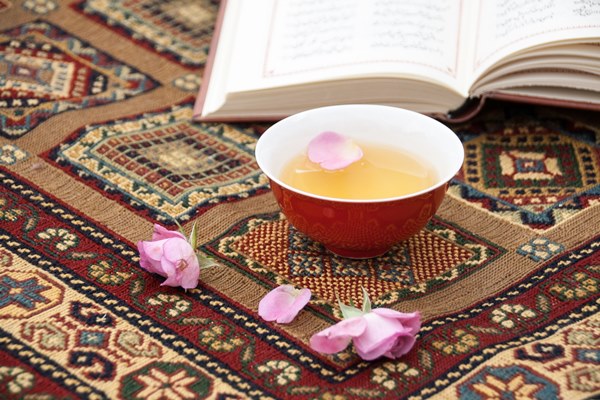
Are scents really that difficult to translate into words? I don’t think so. We only lack practice. Moreover, if you explore literature and poetry, from Colette to Hafez, from Virginia Woolf to Gustav Flaubert, you can find many examples of writing in which aromas play an essential role. They can help us imagine the development of a plot, the emotions of characters or even the state of the divine.  My latest FT Magazine column Perfumes and Books is about such scented stories.

hafez1

“Fragrances are intangible and evanescent – hence the assumption that they are beyond the linguistic capacity of humans. Such difficulties need not be the norm. Open Virgil, Tales of the Arabian Nights, Proust, Zola or Persian poets like Hafez and Nizami, and discover how aromas can be given form and language. Invisible though scents are, they become more powerful when captured in words. To continue, please click here.”

Any other favorite examples of sensory descriptions in poetry or literature?

Photography by Bois de Jasmin

A Case for Good Stink

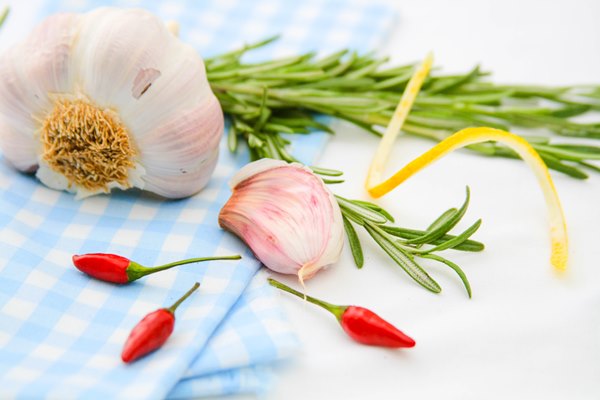
Recently I was interviewed on the BBC about a new study on the attraction of smells we consider unpleasant. The research undertaken by a group of Scottish and Czech scientists revealed that women prefer the sweat of men who had eaten garlic. I was somewhat skeptical about the study and especially the explanations, but I find nothing surprising about the appeal of so-called bad odors. Our noses are more precise and interesting than we think, and it only takes a walk through a fragrance lab to discover what kind of unpleasant materials are essential for the most beautiful of perfumes.

garlic

This topic is the subject of my Financial Times Magazine column. I explain why bad smells are important in perfumery and even take you to a special place in the lab where pungent ingredients are mixed.

“One of the paradoxes of perfumery is that to create a good smell, you need a bit of funk. A strawberry accord won’t smell convincing without a sulphurous accent. Recreating a dewy white blossom requires the same substances that are present in horse sweat. There is even a space in every perfume lab devoted to materials with strong, reeking odours, and it’s appropriately called ‘the stinky room’. Next to the roses and vanillas in a perfumer’s palette, notes reminiscent of dirty hair, musty fur, burnt toast or decaying fruit have their place of honour – costus, musks, civet, pyrazines and many other pungent ingredients. They may be used in small quantities, but they’re important enhancers, giving vibrancy, texture and spice to an otherwise conventional fragrance.” To continue, please click here.

Photography by Bois de Jasmin

Rethinking Gourmand : Savory Fragrances

Does gourmand have to be only about cotton candy and caramel? In my article for the Financial Times Magazine, I explore whether there is room on the perfume counter for different flavors, including salty, piquant and savory.

savorygourmand

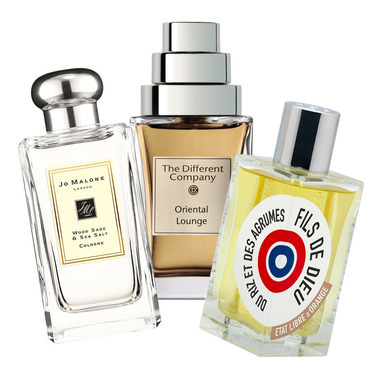
Most savoury gourmands aim for a subtle illusion – the tangy darkness of olives, the green sharpness of coriander leaves or the musky warmth of basmati rice. Fittingly, the biggest savoury gourmand launch came in 2010 with Womanity (from £38.50 for 30ml, second picture), another Thierry Mugler creation. The composition is built around caviar and fig, the briny nuance pushing against a backdrop of roasted hazelnuts, musk and woods. Like Angel, it provoked polarising reactions, though not the same level of infatuation. To continue, please click here.

Do you have any salty or savory favorite perfume? Today I’m wearing Etat Libre d’Orange’s Fils de Dieu, which fits the savory theme well.

Photo via FT

The Magic of Nutcracker : My Financial Times Magazine Column

I wrote Winter Perfumes with the Magic of The Nutcracker for the FT magazine last year, but recently, I was musing on one of my favorite aspects of perfume–a fantasy aid. An instant fantasy aid, I should add, because it takes only a spritz to create your own reverie. This is the topic of my article.

ft1

As a former ballet dancer, I can’t think of winter without associating it with the magic of Hoffmann’s tale and Tchaikovsky’s music. For me, the season has a strong whiff of rosin on ballet slippers, but it is a time of fairy kingdoms, groves made of candied fruit and coffee-scented dancers. My pointe shoes are rarely in service these days, but my Nutcracker fantasies find their expression in perfume. Please read the rest by clicking here.

If you wish to play dress up with perfume, what fragrance do you chose?  

Photo via FT

As Seen On

Design by cre8d
© Copyright 2005-2026 Bois de Jasmin. All rights reserved. Privacy Policy