general perfume articles: 94 posts

Articles on different aspects of perfumery. If you’re interested in learning how to make decants, to craft your own scented lotion, to test fragrances, to pick the best perfumes for different occasions, or if you’re curious to step inside a perfume lab, this group of essays will be of interest.

Do We Have Too Many Launches?

Yes, of course, we  do! Only in 1990, we had 76 new perfumes, this year we have 700 and this doesn’t include the upcoming holiday launches.* Even the consumers are asking the industry to slow down. In various studies done on both sides of the Atlantic women express skepticism and disappointment when it comes to recent releases. “They all smell the same” is a common refrain. While the number of new launches is indisputably high, you can’t blame the malaise of the fragrance industry on the volume alone.
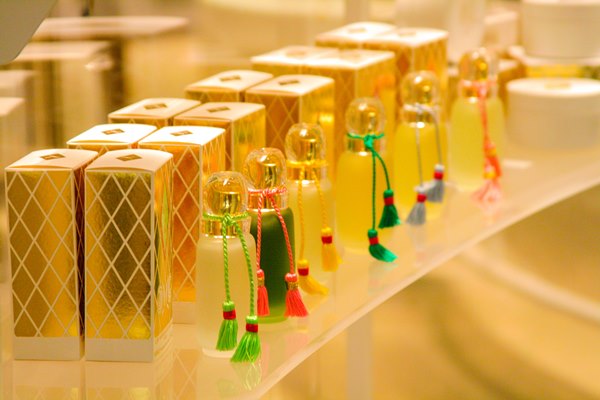
perfume-stand

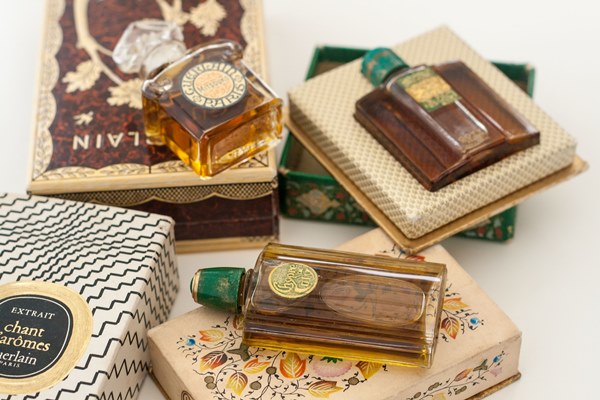
A couple of weeks ago I was researching materials for a presentation on 1920s fragrances which required me digging in the archives and leafing through lists of long forgotten perfumes. You can get a whiff of the 1920s today through Chanel No 5, Guerlain Shalimar, Caron Nuit de Noël, Molinard Habanita and perhaps 20-3o others, and it might seem as if the fragrance houses were launching one classic after another.

But one look into the Guerlain archives, and you see that in the 1920s the house launched more than 20 different fragrances. There were several variations on identical themes like jasmine, vetiver and leather. At the end of the day, only Shalimar, Liu, and Eau de Fleurs de Cédrat survived.  You can find similar trends from Chanel to Weil.
Continue reading →

Savoring Scents

Serge Lutens Ambre Sultan, Guerlain Shalimar, Bulgari Black, Annick Goutal Sables, Chanel Cuir de Russie, anything with woods. The only thing these perfumes have in common is that I disliked them after my first encounter and now they’re among my favorites. I even remember giving away a bottle of vintage Guerlain L’Heure Bleue because I dismissed it far too quickly. Now I want to kick myself! So please don’t repeat my mistakes. If you’ve ever taken one whiff of a perfume, determined that you didn’t like it and crossed it off your list, you might as well not have bothered to smell it. Making a decision based on one sniff would be like deciding that one doesn’t like Tolstoy based on the first page of War and Peace.

poppies

Any scent, however simple or complex, requires more than one encounter. For instance, professional tasters believe that it takes 5 to 10 tries to determine if you dislike a flavor, and the same theory can be applied to perfume. Since a fragrant blend will change its character and even style over time, it’s especially important to be patient. Even the mood in which you smell can play a crucial role in shaping your judgement.

Continue reading →

Making Perfume Samples and Decants (In Pictures)

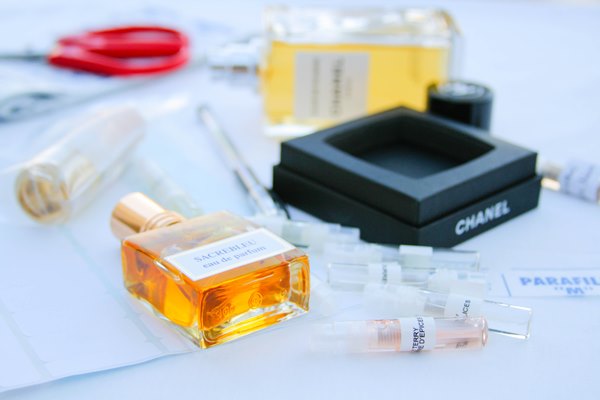
One of my first jobs at the perfume lab was nothing glamorous–I had to label blotters and make samples. Sticking hundreds of tiny labels on narrow strips of paper and filling out bottle after bottle was such a mind numbing task that I entertained the idea of creating a small robot and underwriting the expense. Eventually, I moved onto something more interesting, but ever since then I’ve become very good at making perfume samples. While not a resume worthy skill, it comes in handy from time to time.

decants1

The seasoned perfume lovers among you have probably made hundreds of samples–congrats, you all qualify for a perfumer assistant position! On the other hand, those who are new to this hobby might wonder what on earth is a decant and how to get perfume out of a sealed spray bottle. I receive these questions on a regular basis, so when I recently had to make a perfume care package for a friend, I asked my husband to take some photos.

Continue reading →

Up Close and Personal

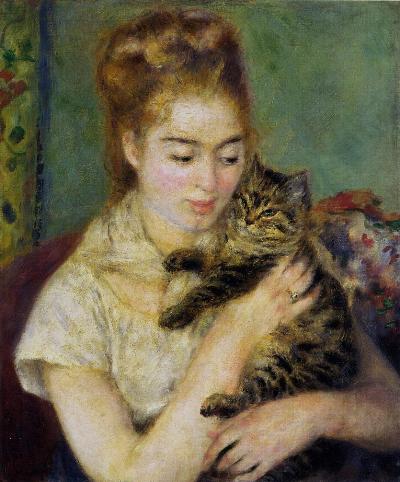
My May column in the Financial Times Magazine is about scents with an intimate aura. In Up Close and Personal, I reveal some of my favorite skin-like perfumes. Some of them are sensual and lush, others are casual and low-key, but they have in common a cozy, cuddly sensation. Most of them are understated enough to be worn to the office or classroom, and I love catching delicate whiffs of my perfume throughout the day. They are my intimate scented talismans.

woman-with-a-cat

Some fragrances, particularly those rich in white flowers, woods and spices, have so much character that they enter the room with you and linger behind long after you’re gone. Others, such as citrus colognes, give an instant lift when splashed on in the morning and then vanish before you even reach the office. Since we wear perfume for different reasons — to please ourselves, to delight others, to create a fantasy or just to smell wonderful – each fragrance genre has its role and purpose. On days when I want to keep perfume as my intimate scented talisman, I reach for the skin-like scents. Please read the rest by clicking here.

What perfumes have a tender, cozy feel to you?

Painting: Woman with a Cat, Pierre-Auguste Renoir, c.1875, oil on canvas, National Gallery of Art, Washingon, DC, USA, via wiki-images.

My Perfume Was Reformulated! What to Do?

” ‘Eau Sauvage was a real chef d’oeuvre in its original form,’ retired perfume-maker Pierre Bourdon, who created Dior’s Dolce Vita and Yves Saint Laurent’s Kouros, said of the 1966 scent. ‘It used to be very green and fresh. Today, it has been replaced by something softer and duller,’ ” from EU threat spotlights perfume makers’ secrets.

All my life I’ve been hearing that things used to be better in the past. Paris used to be more exciting, Rome cleaner, New York cheaper. When I began exploring the world of perfumery on a professional level, I was told by many older colleagues that the golden age of fragrance had passed. Talk about curbing one’s enthusiasm! Despite these warnings, I persisted with my perfumery training.

miss diorRene-Gruau2

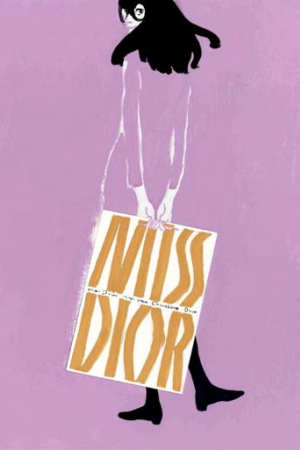
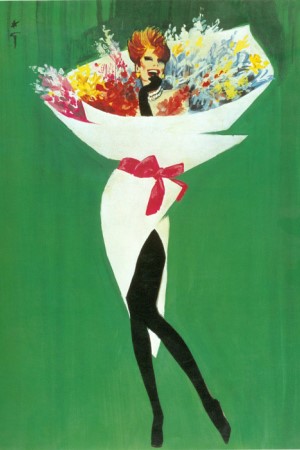
But you need not be inordinately nostalgic to realize that many perfumes used to be better before many classical materials were banned or restricted and before fragrance companies started reformulating en masse. There is something fascinating about the delicate and precise balance of essences. Even the smallest changes can have dramatic consequences. Imagine what happens when a perfumer is told to remove whole building blocks of a composition or to make a chypre (a mossy perfume type) without moss.

Continue reading →

As Seen On

Design by cre8d
© Copyright 2005-2026 Bois de Jasmin. All rights reserved. Privacy Policy