general perfume articles: 94 posts

Articles on different aspects of perfumery. If you’re interested in learning how to make decants, to craft your own scented lotion, to test fragrances, to pick the best perfumes for different occasions, or if you’re curious to step inside a perfume lab, this group of essays will be of interest.

Of Horses, Leather and Perfume

Patricia on her absolute favorite animalic scent.

One person’s poison is another’s…well, perfume. This is never clearer to me than when I enter the horse barn. Immediately I am surrounded by scents, both pleasant and not. Hay and leather mix with the earthy smells of manure, dirt, wood stalls, and the acrid smell of urine, all blended with the rich loamy fragrance of the horses themselves. Those who love only clean scents would not find this a pleasant place to visit, but I love to immerse myself in this world for hours at a time and enjoy all aspects of it, from currying, brushing, and bathing my horse, to riding and rubbing scented saddle soap and conditioners into my  tack before putting it away.

horses1

Many of the fragrances I wear on a daily basis remind me of my time at the barn. Leather and horses go together, and leather fragrances are among some of my favorites.

The Big Guns

Robert Piguet Bandit, if not the oldest of the “old broads,” is certainly one of the most assertive. I have an old bottle of unknown concentration, but the current version is just as potent. Bandit’s combination of everything leathery and animalic needs to be experienced. I may not wear it frequently, but I unstop the crystal stopper often to breathe in its dark richness.
Continue reading →

Sea Salt and Brine : Perfume Notes

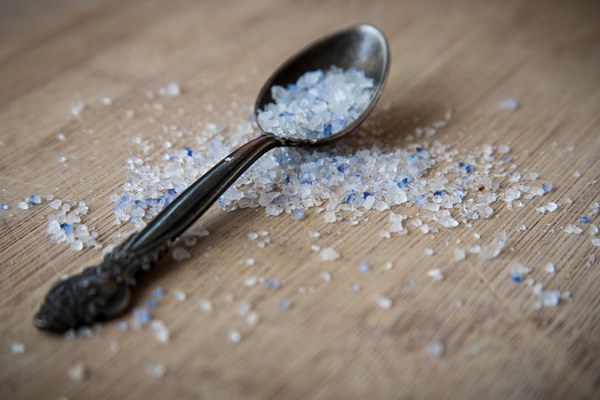
Does salt have a scent? “It depends on what salt you’re talking about,” says Benoît, who hails from Guérande, a French town in southern Brittany famous for its salt marshes. We meet by chance  at an airport lounge, and as he observes a book I’m reading, Jean-Claude Ellena’s Le Parfum, we strike up a conversation about scents. “Guérande’s fleur de sel smells of violets.” As he explains, refined table salt is about 97 percent sodium chloride and it’s virtually scentless, but sea salts from different regions have  impurities that give them a distinctive flavor and scent. Fleur de sel is hand harvested salt from the tops of salt marshes, and while Benoît is passionate about it, he urges me to try different salts and compare. “If you create a perfume based on Guérande’s fleur de sel, please let me know,” he says as we bid each other goodbye.


salt

While I’m yet to visit Guérande to experience the violet perfume of its famous salt ponds, I’ve been noticing the salty nuances in my perfume bottles. My salt collection has likewise grown. Even the sharp iodine scent of table salt now seems obvious to me, not to mention the roasted aroma of Korean bamboo salt or the earthy bite of Javanese lava salt. I’m suddenly discovering a whole new universe of saline flavors.

Along with sweet, sour, bitter, and umami, salt is one of the five basic tastes and it’s much easier to understand it as such–the sensation that you experience when a salt crystal melts on your tongue. But in perfume, the effect can also be distinctive. Spray The Different Company’s Sel de Vétiver or Lalique’s Encre Noire and notice the briny note that you can almost taste.

Continue reading →

How Many Hands Touch Your Bottle of Perfume : Perfumers

The first article in this series described the process through which the perfume brief goes before it ends up on the perfumer’s desk (Brief). Then, my perfumery school classmate and former colleague Lauren gave you a glimpse of what it’s like to be a perfume evaluator (Evaluator). Today, I will describe the role of the perfumer.

If you’re new to this series, I recommend starting with Part 1: Brief.

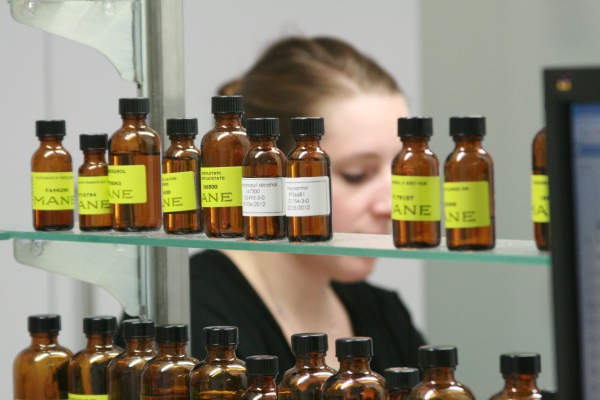
Ever since Frédéric Malle highlighted perfumers by adding their names on the fragrances created for Editions de Parfums, these actors, traditionally consigned to ghost writing scents, have become more prominent. We can find out which nose created our favorite perfume, read about perfumers’ work, and even hear them explain their metier. Names of houses that employ perfumers–International Flavors & Fragrances, Givaudan, Firmenich, Symrise, Mane, Robertet–even show up in the traditional media. Magazines call noses rock stars. Fans queue to meet them at store events. Isn’t then the perfumer the most important person in the process of creating a perfume?

perfume-lab1

Yes and no. With the exception of those who direct their own brands, most perfumers are only one of many groups that influence how a fragrance will smell. Today, it’s hard to speak of a perfumer’s fingerprint on a big brand launch because many fragrances are created as a collaboration among several creators, marketing reps, sales people, and evaluators. In most cases, an individual perfumer may not have a say in the matter and simply has to follow the given direction.

Continue reading →

How to Remove Unwanted Perfume

Why does it happen that the scents you detest linger the longest? My capacity to tolerate unpleasant odors has increased markedly during my perfumery training–remind me to tell you a story involving a place called “the stinky room”, but even so, I occasionally encounter fragrances that make me wrinkle my nose. Sometimes it can just be an innocuous perfume tried on the wrong day. I know as soon as the liquid dries on my skin that I’ve made the wrong choice. My throat tightens and an oppressive, sickly feeling rises up slowly from the pit of my stomach. At that point, there is nothing to do but remove the offending scent.

removing-perfume

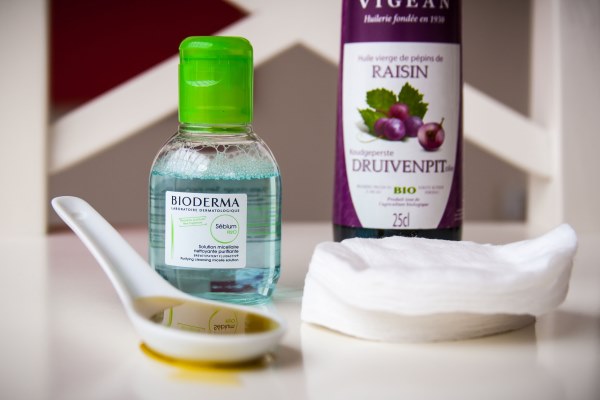
Rubbing wrists raw with soap and water won’t make much difference because fragrances are formulated with ingredients soluble in alcohol, rather than H2O. Following this logic, you can rub your skin with pure alcohol, but this is a harsh solution that would turn sensitive skin into a patchwork of angry red spots. Instead, here are my three favorite methods to get rid of unpleasant perfumes in a gentle and effective way. Some of them even double up as beauty treatments.

Continue reading →

A Perfume for Every Occasion

Please welcome a contribution from Courtney Humphries, who will join us at Bois de Jasmin. Courtney is a freelance journalist and author living in Boston, and she writes about science, health, and culture for a variety of publications. I especially recommend her article for Wired, Engineering Replacements for Essential Perfume Ingredients. Courtney became enamored with perfume after wandering into a Diptyque shop several years ago and smelling Philosykos, which immediately captured her attention. As she describes, “A quick web search on it led me to perfume blogs and reviews, and my journey went from there.”  

Before I became a perfume lover, I regarded fragrance much the same way most of the people I know do: as an afterthought. Perfume was a functional product to help me smell good in social situations. I usually owned just one bottle of perfume, and if I remembered I’d spritz a tiny bit on before going out to a party or on a date. Just as often, I’d forget to put it on before leaving the house, so the bottle would languish on my dresser for months or years, until I tossed it in the trash (in those days I believed perfume “went bad” after a year or two).

candle-blue dress

When you own only one bottle of fragrance, your choices are minimal—you’re either perfumed or you’re not. For me, that decision depended on whether the occasion met a certain threshold of “specialness” that justified going scented.

But when I became interested in perfume, I began to see fragrance as a source of personal pleasure. I had to make a leap from what had been my “normal” way of thinking about perfume—that everyone needs just a single fragrance—to the quite radical notion that one can collect an entire wardrobe of fragrances.

Continue reading →

As Seen On

Design by cre8d
© Copyright 2005-2026 Bois de Jasmin. All rights reserved. Privacy Policy