Victoria: 2670 posts

Atelier Cologne Café Tuberosa : Perfume Review

44444

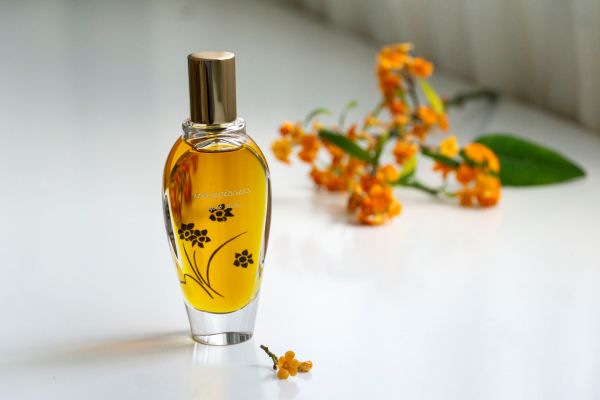
I sometimes notice that coffee smells better than it tastes–or that it doesn’t taste the way it smells.  Even the aroma of coffee, for instance, is difficult to sum up–sweet, bitter, spicy, acidic, toasted, burned, with hints of blackcurrants, chocolate and hazelnuts. Even more difficult is to render coffee notes believable in a perfume without making one smell like a badly washed coffee mug, or worse, a piece of grilled meat. Coffee notes are stubborn. I’ve been on a search for successful coffee perfumes for a while, and this fall I’m adding a new contender to my collection, Atelier Cologne Café Tuberosa.

The idea behind Café Tuberosa is clever–take a creamy tuberose accord, brighten it with bergamot and give it a bittersweet rush with coffee. All three are bold, strong notes, but the whole fits together so harmoniously that it makes me wonder why this motif is not more explored.
Continue reading →

Yellow Marigolds and Blue Fenugreek : Georgian Spices

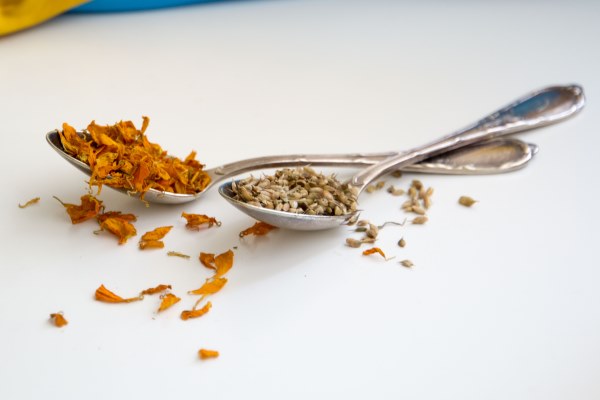
I didn’t know that tagetes were edible until I went to Georgia. My grandmother cultivated several varieties for her flower beds, and I loved the spicy, green scent of the flowers we affectionately called chornobryvtsi, the black-eyebrowed ones, since dark eyebrows are one of the hallmarks of classical Ukrainian beauty.  On the other hand, I never knew that they have an equally alluring flavor and that it forms the main accord of Georgian cuisine.

Several varieties of tagetes are edible, but the most common one is tagetes patula. That’s the same flower woven into Indian garlands to decorate gods and honored guests, but only in Georgia is it used as food. The flavor of tagetes is earthy, spicy, with a hint of green apple and orange. It plays a base note in the finished dish, lending a lingering brightness to chakhokhbili, chicken stew with tomato and herbs, spice blends, chili pastes, or walnut sauces.

Continue reading →

Haiku of the Day : Snowflakes of Autumn

At the beginning of fall one of the resolutions I made was to go running on a regular basis. As they say, be careful what you wish for, because lately my days have been on a fast track. Nevertheless, one must carve out moments of contemplation even during busy, stressful periods, and my other autumnal resolution, to read more poetry, came to the rescue. Poetry concentrates images and sensations, and it’s an effect it shares with perfumery.

Japanese poet Yamazaki Sōkan (1465–1553) was a poet and calligrapher in the shogun’s court, but he gave up the courtier’s life and became a Buddhist monk. Though I have no wish to renounce the world, reading his poetry is like shutting out the noise and focusing on the beautiful. Today I bring you one of my favorite autumnal poems by this haiku master.

If they were silent
flights of herons on dark sky –
snowflakes of autumn.

Continue reading →

Vetiver Voyages

“Art does not reproduce the visible, rather it makes visible,” wrote the cubist, surrealist and expressionist painter Paul Klee. The same could be said about perfumery, which is an art of intangible substances. The greatest fragrances conjure up the most complex of images, holding the artistic intent of their creators and offering a glimpse into their thoughts and memories. Just how perfumers achieve is what I explore in my recent article for my FT column, Vetiver Voyages. I use vetiver as an illustration.

One of my favourite examples is Lalique’s Encre Noire Pour Homme, released in 2006, which perfumer Nathalie Lorson composed with the intention of showing off the suave, languid character of vetiver – a note usually seen as bracing and cold. A type of grass originating in India, vetiver is grown to prevent soil erosion and produces a complex essential oil with accents of liquorice, bitter grapefruit peel, smoke and damp earth. To continue, please click here.

The other fragrances in the Modern Classic series were Serge Lutens’s Féminité du Bois, Lolita Lempicka, Bulgari Eau Parfumée au Thé Vert, and Frédéric Malle Carnal Flower.

What are your favorite vetiver fragrances?

Image via FT

Georgian National Ballet : Dance and Dazzle

If Georgia’s cuisine is any indication, this country’s other arts are equally dazzling, especially music and dance. The first time I saw Georgian dancing was when the Georgian National Ballet Sukhishivili-Ramishvili visited Kyiv during my childhood. By then I had already studied classical ballet for several years, so it was hard to impress me with complicated turns or jumps, but when the Georgian troupe took stage, it charged up the whole auditorium with so much energy that for the two hours of the performance I felt myself soaring. I have since seen hundreds of dance performances, both folk and classics, but this feeling of intoxication and euphoria returned only on a few occasions since, the most recent being during Natalia Osipova’s performance of Giselle.

And it’s hard not to be moved watching Georgian dancing with its energy, rhythm, complex technique and precision. The clip above is the rehearsal of the same troupe I saw as a child, but of course, with a new generation of dancers. Sukhishvili-Ramishvili Ballet is based on traditional Georgian dancing, though they incorporate classical ballet elements to polish the movements further. Men dancing on bent toes, though, is part of the traditional repertoire, predating ballet’s en pointe technique. Although this clip is only the rehearsal, it gives you a sense of the troupe’s virtuosity. I watched it at least ten times, and I still hold my breath when the dancers do pirouettes on their knees, then raise themselves en pointe before jumping in the air and holding a trinacria-like shape for what seems like minutes.

Continue reading →

As Seen On

Design by cre8d
© Copyright 2005-2026 Bois de Jasmin. All rights reserved. Privacy Policy