Victoria: 2668 posts

10 Books to Read About the Russian Revolution

My great-grandfather was a Bolshevik. Although he was too young to have participated in the events of the Revolution of 1917, he joined grass-roots Communist groups to spread literacy–and the word of Lenin. He was the first in his family to earn a university degree, and until his retirement he worked as a school teacher in central Ukraine. On the day marking the anniversary of the Bolshevik Revolution, November 7th, he donned the military honors he received during WWII and joined the parade.
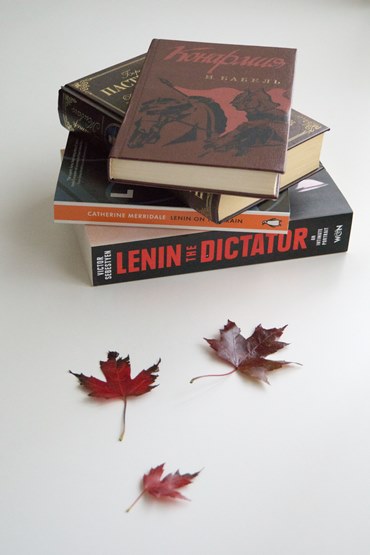
Growing up in the Soviet Union, of which Ukraine was a part, I took the parades and processions for granted. I didn’t like them, because they felt perfunctory and empty of any meaning, but I participated, because refusing wasn’t an option. The older I got, the more I detested the slogans and the marches. “What did this revolution of yours achieve?” I would say to my great-grandfather whenever our discussions erupted into arguments. “Endless parades and endless lines?” The 1980s were a time of endemic shortages, when even basic goods like toilet paper disappeared from store shelves. When that happened, without a trace of irony we cut up the old issues of Pravda, the main Party newspaper whose name meant “Truth.” My great-grandfather was the only one who used it for its original intended purpose–reading the news.

Yet, for all his ardent belief in the revolution, my great-grandfather never romanticized it. I’m sure he would find the contemporary left’s nostalgia for a time they never experienced as deeply baffling. He might have thought that it was necessary to remove the corrupt, despotic tsarist system, but he recognized the tragedies it unleashed, especially the Civil War during which my great-grandfather lost much of his family. He was a believer and an idealist, but he wasn’t blind to the fact that the Red Revolution was followed by the Red Terror.


Continue reading →

Radiance Skincare Routine for Fall

Everyone has different goals for their skincare routine. Some people seek to reverse sun damage. Others want a product that will control shine or minimize the look of their pores. Different age groups also have different concerns, as do people who live in different climates. But if your goal is to find a simple skincare solution that will nourish the skin and leave it brighter and fresher, I would like to share a few things that work for me.

The biggest change in my skincare routine happens in the fall when I start using more exfoliating products like alpha-hydroxy acid (AHA) or a beta-hydroxy acid (BHA) lotions and serums. Although one reads that neither acids nor retinol increase sun sensitivity and can be used all year round, I made a point of verifying it with several dermatologists, and they agreed that anything that exfoliates the skin will make it more sensitive. Which means that using heavy exfoliation in the summer will either negate the results or leave the skin damaged.

Continue reading →

Japanese Ghost Stories : 5 Books

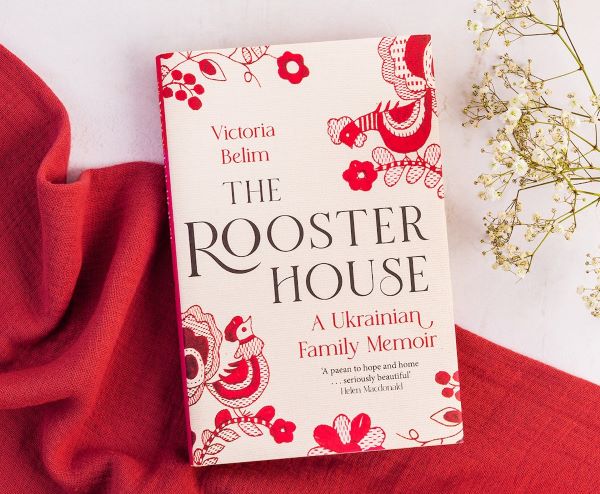
Frightening oneself with ghost stories or haunted houses is a summer activity in Japan for the chilling frisson it’s believed to provide. Yet the Japanese literary tradition filled with spirits, ghouls, specters and other supernatural phenomena is so rich that a full year wouldn’t be enough to even scrape the surface. Since dark fall evenings are a good time to delve into it, I decided to share five of my favorite Japanese books over whose pages hover ghosts.

The Japanese concept of a ghost, yūrei, is quite complex, but in its essence, it’s a soul of someone who died in a violent manner and may not have had proper funeral rites. The soul then returns to the living world to seek vengeance and to torment those who were responsible for the crime. The purpose of Japanese ghost stories, however, is not only to paint the frightful deeds of the unpacified souls, but also to examine the complexity of love, betrayal, loyalty, faith, and other human emotions and dilemmas.

Japanese Gothic Tales by Izumi Kyoka, translated by Charles Shiro Inouye

“She seemed too delicate for someone living in the mountains. Even in the capital you don’t see many women as beautiful. As she rubbed my back, I could hear her trying to stifle the sounds of her breathing. I knew I should ask her to stop, but I became lost in the bliss of the moment. Was it the spirit of the deep mountains that made me allow her to continue? Or was it her fragrance? I smelled something wonderful. Perhaps it was the woman’s breath coming from behind me.”

Continue reading →

Atelier Cologne Café Tuberosa : Perfume Review

44444

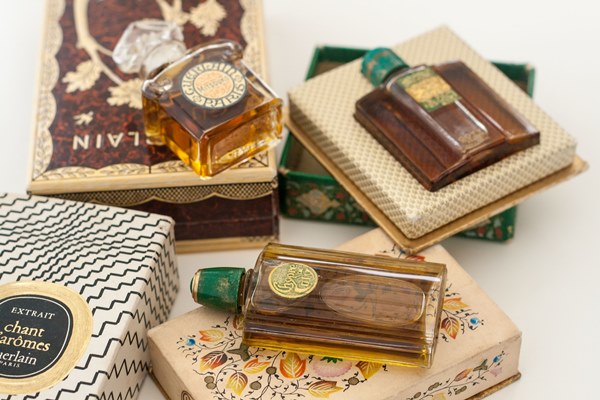
I sometimes notice that coffee smells better than it tastes–or that it doesn’t taste the way it smells.  Even the aroma of coffee, for instance, is difficult to sum up–sweet, bitter, spicy, acidic, toasted, burned, with hints of blackcurrants, chocolate and hazelnuts. Even more difficult is to render coffee notes believable in a perfume without making one smell like a badly washed coffee mug, or worse, a piece of grilled meat. Coffee notes are stubborn. I’ve been on a search for successful coffee perfumes for a while, and this fall I’m adding a new contender to my collection, Atelier Cologne Café Tuberosa.

The idea behind Café Tuberosa is clever–take a creamy tuberose accord, brighten it with bergamot and give it a bittersweet rush with coffee. All three are bold, strong notes, but the whole fits together so harmoniously that it makes me wonder why this motif is not more explored.

Continue reading →

Yellow Marigolds and Blue Fenugreek : Georgian Spices

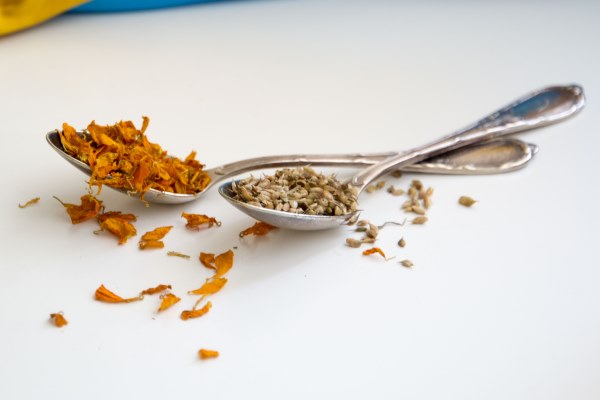
I didn’t know that tagetes were edible until I went to Georgia. My grandmother cultivated several varieties for her flower beds, and I loved the spicy, green scent of the flowers we affectionately called chornobryvtsi, the black-eyebrowed ones, since dark eyebrows are one of the hallmarks of classical Ukrainian beauty.  On the other hand, I never knew that they have an equally alluring flavor and that it forms the main accord of Georgian cuisine.

Several varieties of tagetes are edible, but the most common one is tagetes patula. That’s the same flower woven into Indian garlands to decorate gods and honored guests, but only in Georgia is it used as food. The flavor of tagetes is earthy, spicy, with a hint of green apple and orange. It plays a base note in the finished dish, lending a lingering brightness to chakhokhbili, chicken stew with tomato and herbs, spice blends, chili pastes, or walnut sauces.

Continue reading →

As Seen On

Design by cre8d
© Copyright 2005-2026 Bois de Jasmin. All rights reserved. Privacy Policy