Victoria: 2669 posts

Recommend Me a Perfume June 2017

Our June “Recommend Me a Perfume” thread is now open. You can use this space to ask any questions about perfume, including fragrance recommendations, and of course, share your discoveries.
How does it work: 1. Please post your requests or questions as comments here. You can also use this space to ask any fragrance related questions. To receive recommendations that are better tailored to your tastes, you can include details on what you like and don’t like, your signature perfumes, and your budget. And please let us know what you end up sampling. 2. Then please check the thread to see if there are other requests you can answer. Your responses are really valuable for navigating the big and sometimes confusing world of perfume, so let’s help each other!

To make this thread easier to read, when you reply to someone, please click on the blue “reply” link under their comment.

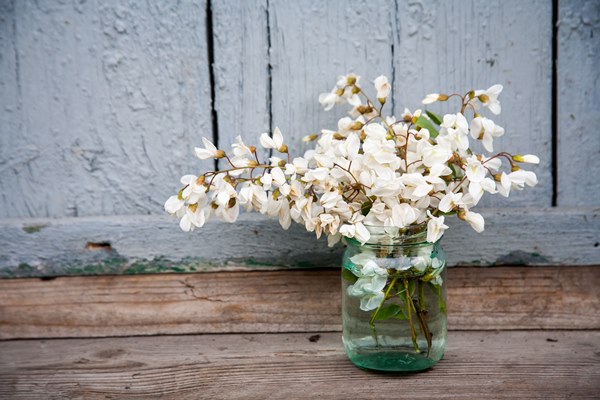
Photography by Bois de Jasmin

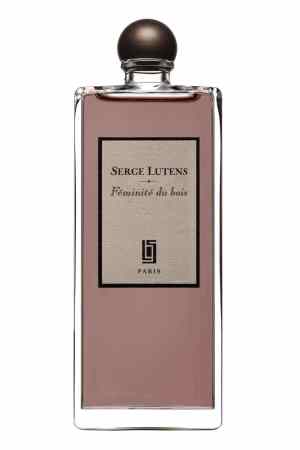
On Italo Calvino’s Classics and Serge Lutens Feminite du Bois

What makes a classic? “In his marvellous essay Why Read the Classics? Italo Calvino offers 14 definitions of what makes a classic piece of literature. Reflecting on his list, I decided to apply his definitons to perfumery.

This topic is the subject of my latest FT column on modern classics. The article, How Serge Lutens reinvented the idea of feminine perfume (updated link), is the first of a series that will cover fragrances I consider outstanding and important. Modern classics, in other words. My first essay is on Serge Lutens’s Féminité du Bois, a composition that challenged conventions and remade wood accords as we know them in perfumery.

Italo Calvino’s essay is worth reading, whether your interest is perfumery or literature, because it’s witty and through-provoking. “Classic” is the most overused word, but unpacking its layers of meaning makes one appreciate the richness of allusions and references that each great work contains. The essay is part of the compilation “Why Read the Classics?” (public library) that includes Calvino’s observations on his favorite writers and novels. I can’t recommend it enough for your summer reading lists.

Of course, I would love to hear what a classical perfume means to you and which fragrances you count among the modern classics.

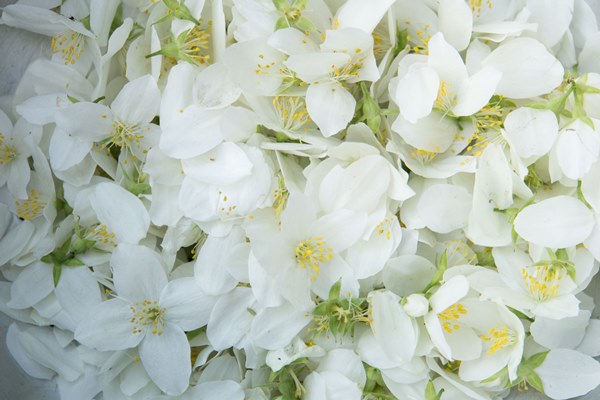
Jasmine of Angels, Jasmine of Madonna

Of all the names by which philadelphus is known–summer jasmine, farmer’s jasmine, mock orange, the loveliest ones are the Italian monikers of this sweet smelling blossom, Fiorangelo or Gelsomino della Madonna. Angel flower or Madonna’s jasmine.

In Ukraine we call it simply zhasmin, jasmine, and the jasmine of my Bois de Jasmin is this very plant. No summer image existed in my mind apart from its blossoming clusters leaving white petals in my hair and its heady perfume clinging to my skin.


Continue reading →

Cucumbers and Honey

Have you ever tasted a slice of cucumber dipped in honey? The combination reveals that at its heart, cucumber is  a fruit.

While the pairing of cucumber and honey may sound like an invention of young Danish chefs, it’s a classical Ukrainian duo and the ultimate taste of summer. By the time my great-grandmother was ready to harvest the first batch of cucumbers from the vines, the mild acacia honey would become available at the market, and the two went perfectly together, an earthy green and floral fragrance and the taste of sea and violet leaves in one mouthful. I couldn’t even unravel which nuance was of the cucumber and which of the honey.

Continue reading →

Green, Green, Green : A Selection of New Perfumes

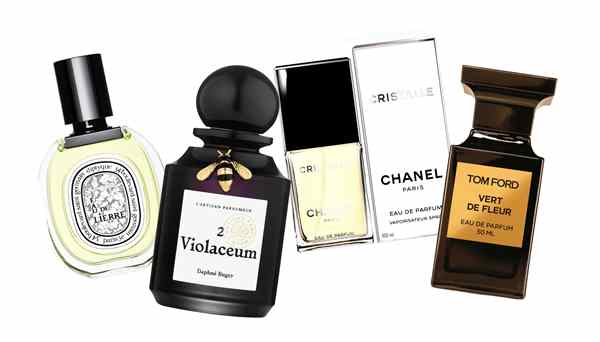
Green accords in perfumery are infamous for being difficult. Difficult to create and difficult to enjoy. Balmain’s Vent Vert, the iconic green fragrance, is praised by perfumers as one of the most innovative and daring, but it was eventually reformulated to become tamer and milder. What is it about green fragrances that makes them so polarizing? In my new FT column, On Green Scents, I explore the new spring launches and point out my favorite verdant composition.

Perfumers rely on different classes of ingredients to produce these green accords, some natural and some synthetic, and finding the right harmony can be complicated. Freshly cut grass, its aroma so appealing on a warm day, can turn metallic on skin, while certain herbs can overwhelm delicate notes. Tom Ford Vert de Fleur is notable in that it not only conjures up a vivid verdant effect, but also preserves the nuance. It smells of dew-covered iris petals, damp earth and vetiver roots. To continue reading, please click here.

Where do you place yourself on the green spectrum? Do you like a touch of green? Or is it, “We want a shrubbery”?

Photography by HTSI

As Seen On

Design by cre8d
© Copyright 2005-2026 Bois de Jasmin. All rights reserved. Privacy Policy