Culture: 426 posts

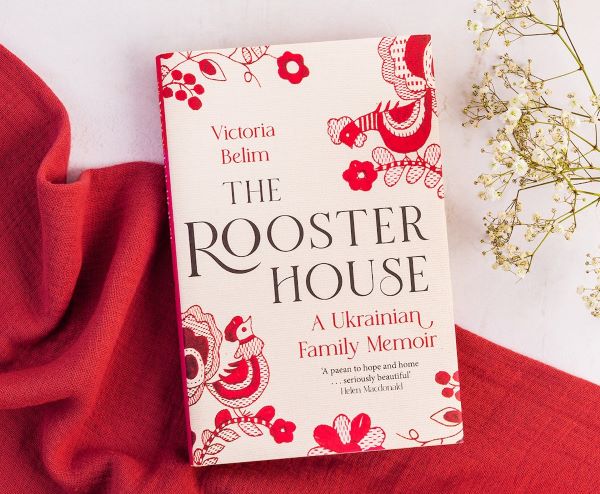
Art, travel, books, history. About my book, The Rooster House.

Searching for a Beautiful Scent, A Conversation with Maurice Roucel

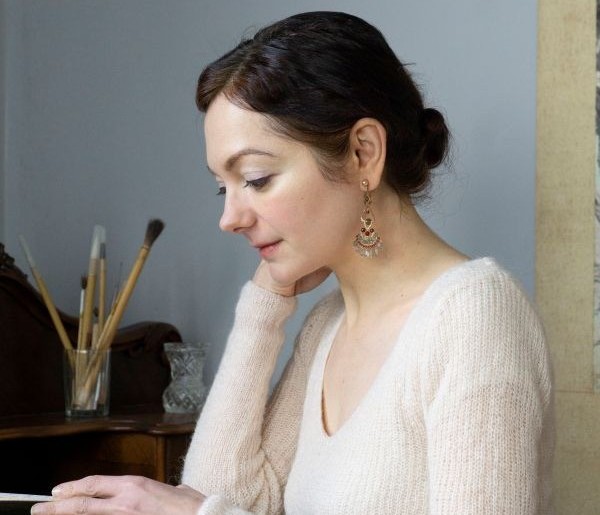
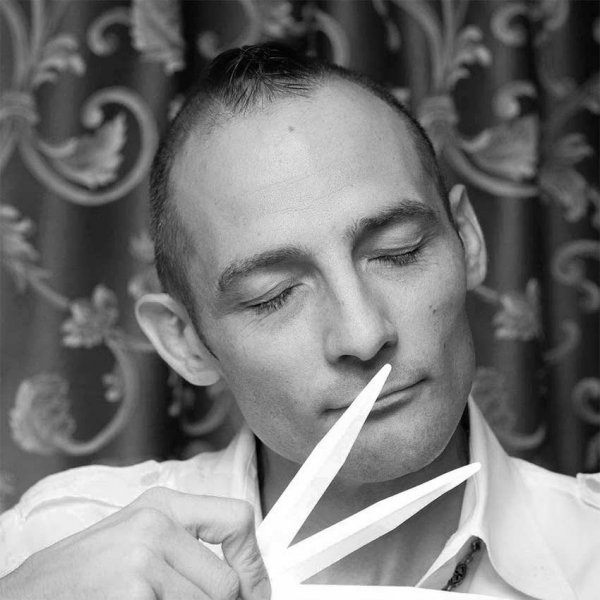
Maurice Roucel is one of the best people to talk perfume. For one thing, the rarefied, quasi-mystical approach to fragrance so common among many perfumers is entirely foreign to him. He sees the role of a fragrance creator in need of a clear definition and classification afforded to other artists, but he doesn’t comport himself as a savant of subjects too refined for the understanding of mere mortals. If anything, his down-to-earth attitude and candid manner make him a refreshing presence and a great conversation partner on topics that range from perfume to wine and life in general.
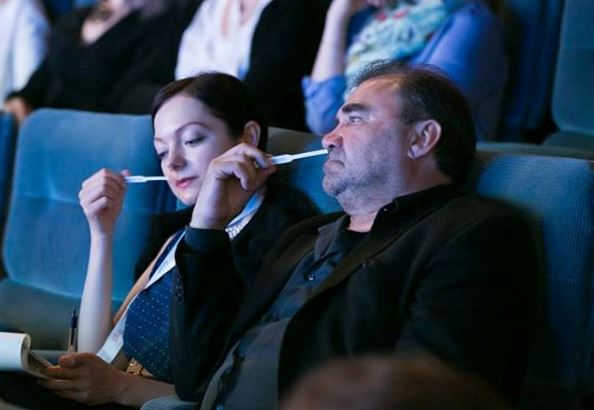
One winter Roucel and I met at a café in Paris and I posed a slightly provocative question to him: what makes a perfume beautiful? His answer and our subsequent conversation that lasted for several hours is the inspiration for my latest FT piece, Striking Accord.

“The idea of perfume making as an art form, however, can be hard to champion. While scents are related to other kinds of intangible Unesco-listed cultural heritage such as cuisine, they don’t benefit from the same recognition or documentation (the Osmothèque, a scent archive based in Versailles, is the main institution studying and preserving historical fragrances), and are generally seen as too subjective to analyse or even describe, making definitions of artistic worth complicated.” To continue reading, please click here.

What is your personal definition of a beautiful perfume?

Photography via WPC
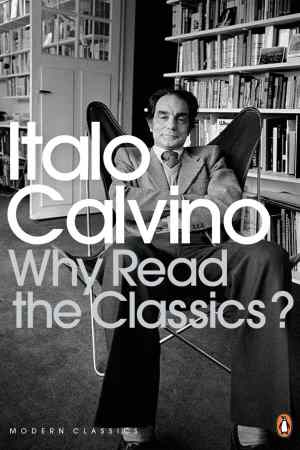
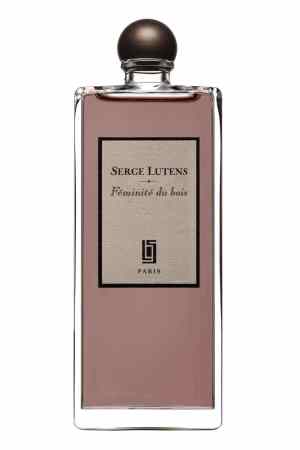
On Italo Calvino’s Classics and Serge Lutens Feminite du Bois

What makes a classic? “In his marvellous essay Why Read the Classics? Italo Calvino offers 14 definitions of what makes a classic piece of literature. Reflecting on his list, I decided to apply his definitons to perfumery.

This topic is the subject of my latest FT column on modern classics. The article, How Serge Lutens reinvented the idea of feminine perfume (updated link), is the first of a series that will cover fragrances I consider outstanding and important. Modern classics, in other words. My first essay is on Serge Lutens’s Féminité du Bois, a composition that challenged conventions and remade wood accords as we know them in perfumery.

Italo Calvino’s essay is worth reading, whether your interest is perfumery or literature, because it’s witty and through-provoking. “Classic” is the most overused word, but unpacking its layers of meaning makes one appreciate the richness of allusions and references that each great work contains. The essay is part of the compilation “Why Read the Classics?” (public library) that includes Calvino’s observations on his favorite writers and novels. I can’t recommend it enough for your summer reading lists.

Of course, I would love to hear what a classical perfume means to you and which fragrances you count among the modern classics.

Jasmine of Angels, Jasmine of Madonna

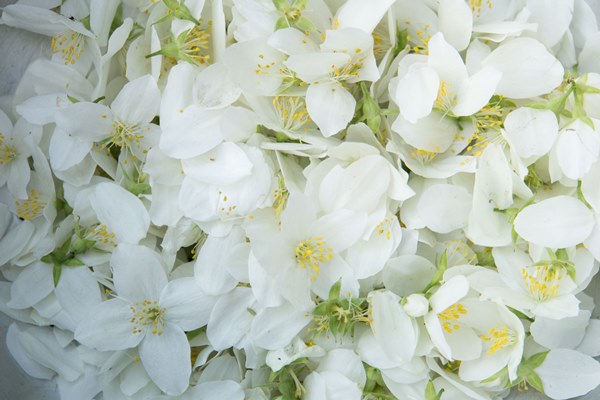
Of all the names by which philadelphus is known–summer jasmine, farmer’s jasmine, mock orange, the loveliest ones are the Italian monikers of this sweet smelling blossom, Fiorangelo or Gelsomino della Madonna. Angel flower or Madonna’s jasmine.

In Ukraine we call it simply zhasmin, jasmine, and the jasmine of my Bois de Jasmin is this very plant. No summer image existed in my mind apart from its blossoming clusters leaving white petals in my hair and its heady perfume clinging to my skin.

Continue reading →

The Art of Perfume Course : Workshop

Here is a recap of the three days of our Art of Perfume course: on Day 1 we visited the Edmond Roudnitska garden and explored the International Perfume Museum in Grasse, on Day 2 we learned about perfumes that influenced fragrance history and more, and on Day 3 we applied our newly learned skills to practical exercises.

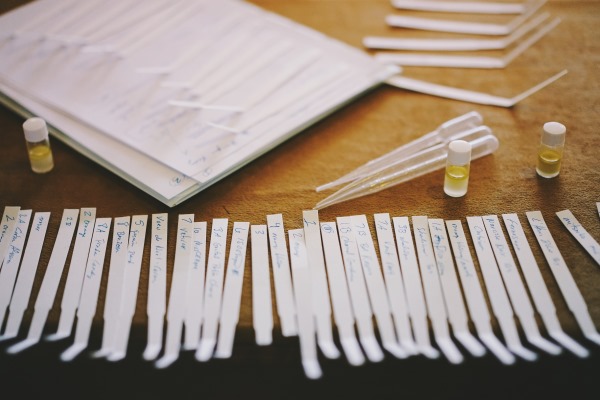
As I mentioned before, my course was designed with all of the rigor of a professional training program, keeping in mind our time limitations. It takes years to learn how to make a perfume, but one can acquire basic knowledge of raw materials and try simple exercises to see how they interact together. All of this not only helps deepen one’s knowledge of perfumery, but also makes one’s perceptions sharper.

Continue reading →

Warmed by the Sun in Iza

Last month I visited Iza, a village in western Ukraine renowned for its grapevine weaving tradition. Tiny shops lining the roads offered a selection of baskets, boxes, furniture and toys. I walked from one store to another, admiring as much the intricate patterns of braids, stars and coiled loops as the scent of weaving warming in the spring sun.

The fragrance was sweet like vanilla biscuits, with a mellow accent reminiscent of an antique shop–wood shavings, dust and varnish. Have I smelled it before? It seemed familiar to the point of disturbing, like a half-remembered face in the crowd or a word sitting on the tip of the tongue.

Continue reading →

As Seen On

Design by cre8d
© Copyright 2005-2026 Bois de Jasmin. All rights reserved. Privacy Policy