How I Learn Languages
The KGB blacklisted my stepfather, making it impossible for him to travel outside the Soviet Union. He satisfied his wanderlust by reading and learning languages. I remember our bookshelves filled with self-study books and dictionaries: English, French, Italian, German, Bulgarian, Serbian/Croatian, Czech. I opened them at random and the more unfamiliar they looked, the more I wanted to learn and enter the universe of new languages. It felt exciting and liberating.
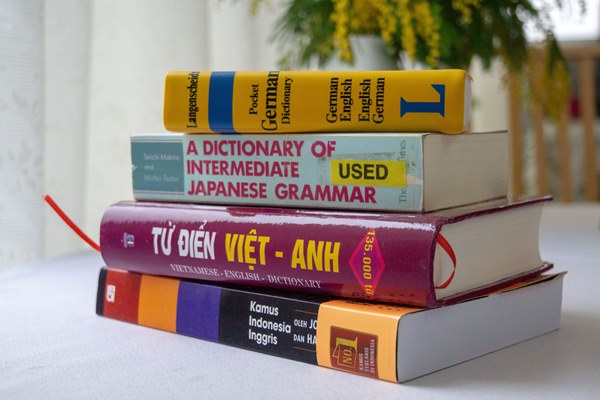
That exhilarating feeling of discovery has remained with me, and it drives me to learn new languages. I speak, read and write 18 languages and am currently learning my 19th. Besides English, these languages include French, Italian, Persian, Indonesian, Japanese, Russian, Ukrainian, Turkish, Vietnamese, Urdu, Bulgarian, German, Hindi, Uzbek, Portuguese, Albanian, Serbo-Croatian–and learning Mandarin. Most of these I’ve learned in the past few years when I figured out a method that worked for me. I’m often asked by many of my friends and readers to put together my strategy for studying languages, and so I’ve jotted down certain rules and important elements that make my learning efficient. Once I started writing, I realized that I could come up with a whole book on the topic, but since my goal today is to summarize my approach in an article, I’ll leave the comment field for any additional questions and clarifications. Please feel free to ask your specific recommendations and share your experience with learning languages.