Niko Pirosmani : A Movable Feast

The paintings by Georgian artist Niko Pirosmani (1862–1918) throw me off balance. It may be a strange reaction to art, especially to the one depicting animals, people feasting, gathering grapes, or fishing, but Pirosmani is not an ordinary painter. Why are the deer’s eyes so much like human eyes? Why do the revelers raising their horns full of wine look so serious? What are they celebrating? What went through the artist’s mind as he sketched and what did he intend for us to see? What motivated him to paint?
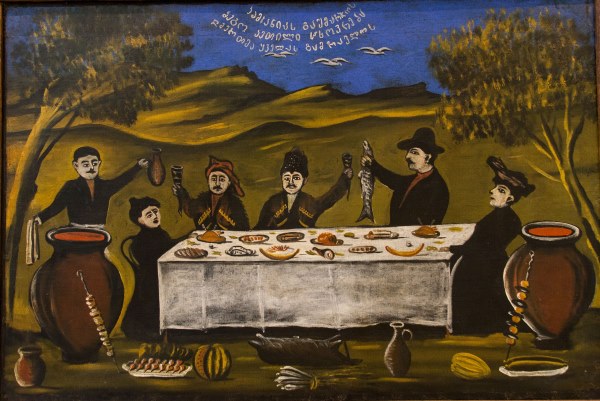
Most likely–and we have so little information about Pirosmani’s life that we can only guess–it was hunger that prompted Pirosmani to take up the brush. Born in 1862, in a village in the Kakheti region of Georgia, he didn’t have any formal education, and his stints as a train conductor and cattle herder ended in failure. He learned painting from itinerant artists and he wanted to open a workshop producing signboards. It almost came to naught. The first order he painted for free, while the second one never came. He remained poor and hungry for the rest of his life, a vagabond and a pariah.

Continue reading →

Golden Mandarins of Winter

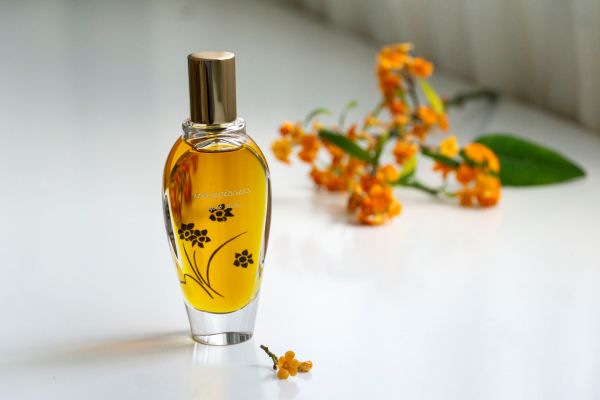
If I had to pick only one perfume to wear throughout winter, it would be neither a smoky incense nor a warm amber. I could even survive the cold days without sumptuous white florals or dark spices. I couldn’t, however, go through winter without a citrus cologne. More precisely, my ideal winter fragrance is based around the zesty, bright note of mandarin. In my recent FT column, Mandarin Scents, I describe why I enjoy this ingredient, what makes it different from other citruses and which perfumes one should try.

Take, for example, Prada Infusion Mandarine. Its philosophy is to keep mandarin simple, and that refined minimalism is rewarding. The top notes combine all of the best elements of a citrus cologne – the green vibrancy of mandarin leaves, the sweetness of mandarin zest and the warmth of orange flowers. You notice the delicious bitterness of the peel and then the sweetness of pulp, and the contrast remains vivid into the drydown. To continue reading, please click here.

If you have favorite citrus perfumes for winter, please let me know.

Photography by Bois de Jasmin

Abhisarika Nayika : The One Who Dares

At the end of the year, I was going through my papers and I found a few notes I wrote about Indian classical art and the theory of rasa. According to the Natya Sastra, a text about arts dating to between 200 BCE and 200 CE, the purpose of art is to transport the person who experiences it to another universe. Delight, entertainment, even distraction from the routine are reasonable goals too, but the main one is a chance to transcend the ordinary and feel wonder.

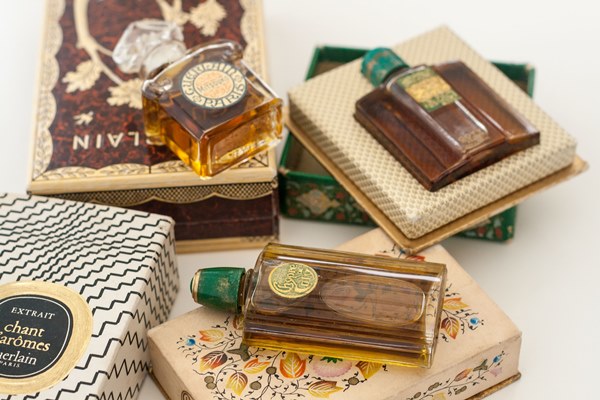
The theory of rasa is more complex and fascinating than my short description, but its essence is very easy to grasp. Think of a work of art that has touched you so deeply you forgot about all else. A painting, a film, a sculpture, a perfume. I still think that some of my most vivid experiences of this nature have been connected with scents, and I wrote about one of them previously when I described discovering Guerlain Après L’Ondée as a teenager.

Continue reading →

Givenchy L’Interdit 2018 : Fragrance Review

33333

Givenchy the couturier was catapulted into stardom by his work with Audrey Hepburn. Their partnership resulted in one of the most distinctive wardrobes in fashion history, from the embroidered gown of Sabrina to the little black dress of Breakfast at Tiffany’s. Equally important was Hepburn’s role in making Givenchy the perfumer. L’Interdit was the first Givenchy perfume, and whether Hepburn wore it or not, she claimed it as her signature fragrance. 

The original 1957  L’Interdit was a floral aldehydic with enough elegance to make one feel dressed up, even if you wore only pyjamas. Think Chanel No 5, but soft, warm and with a delicious strawberry note.

I say was, because in 2005 Givenchy reformulated it. The change was done by perfumer Aurelien Guichard, and it made the fragrance less aldehydic and starchy, but also simpler. Still, as far as updates go, it was decent in that it retained the character of the original. You can read my more detailed review, in which I compare the original and the 2005 version.

Continue reading →

Pandan: the Perfume of Penang

Let me start the new year with a journey and take you to George Town. Located on the Malaysian island of Penang, the city was established in the 18th century by the British East India Company. The population of George Town is diverse, a mix of Chinese, Malay and Indian communities, each contributing its own traditions to Penang’s cosmopolitan blend. One of the most distinctive layers is formed by the Peranakans. The descendants of the Chinese who arrived starting from the 15th century and intermarried with the locals, the Peranakans blend Chinese, Malay and European customs. Their clothing, art and music are distinctive, but even more striking is their cuisine: Peranakan, or Nyonya, food is one of George Town’s main attractions.

I traveled around Malaysia, exploring its scented and culinary traditions, but I kept returning to Penang. It drew me with its diversity, its history, and above all, its food. Penang’s food and scents are the topics of my recent FT column, Pandan: the Perfume of Penang. I explore the most characteristic of all scents in Peranakan cuisine, pandan.

Although the foods I tried in Penang were varied – I’ve written previously about the sheer variety of specialities on offer across its different neighbourhoods – one leitmotif during my explorations was the scent of pandan leaves. The Peranakans mix shredded pandan with rose petals, jasmine and perfume oil to create a home fragrance, but most often, the leaves of this tropical plant are used in their cuisine. Although pandan tends to be described as the vanilla of Asia for its ubiquity in desserts, its fragrance isn’t sweet. When raw, pandan smells green and nutty, but when cooked, it acquires the voluptuous, toasted perfume of basmati rice. To continue reading, please click here.

Photography by Bois de Jasmin

As Seen On

Design by cre8d
© Copyright 2005-2026 Bois de Jasmin. All rights reserved. Privacy Policy