Chanel, Caron and Guerlain in Bulgakov’s The Master and Margarita

“The first time I encountered a perfume that beguiled me was in the pages of a book. The sultry red-haired witch in Mikhail Bulgakov’s The Master and Margarita enticed women with the promise of “Guerlain, Chanel No 5, Mitsouko, Narcisse Noir, evening gowns, cocktail dresses…” It would be some years before I smelled these perfumes, yet their names left a “baffling but seductive” imprint, just as the novel suggested.”
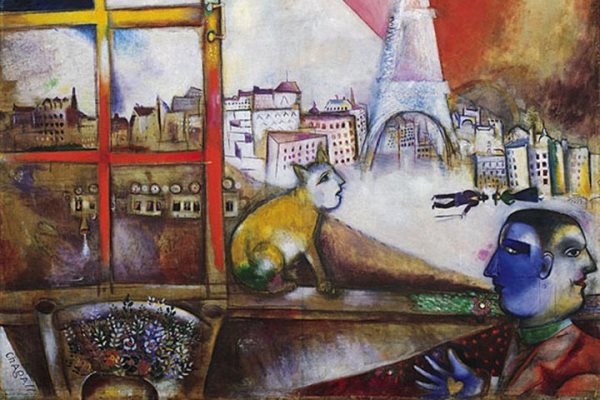
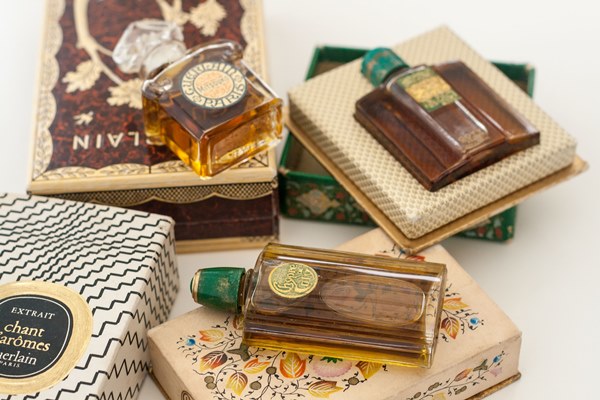
In my recent FT column, Revisiting Three Perfume Classics, I write about the three legendary perfumes that left their “baffling but seductive” trace in literature and history. They are Chanel No 5, Guerlain Mitsouko and Caron Narcisse Noir. Bulgakov started writing his novel in 1928 and worked on it until his death in 1940. The reason he selected these three perfumes as the lure for the black magic show was because they embodied glamour.

Continue reading →

Things I Learned in 12 Years of Bois de Jasmin

12 years is quite a milestone for a project that I started as a political science graduate student wanting a creative outlet beyond politics and economics. I picked a name, Bois de Jasmin, Jasmine Forest, fantasing of a place where I would rather be instead of a small university town, and wrote a review of Guerlain Jicky, a fragrance created in 1889, the same year the Eiffel Tower officially opened in Paris. The tower received scathing criticism–“a metal asparagus,” as one reviewer called it, while Jicky was praised as avant-garde. So I wrote about perfume classics and the time during which they were created, Balanchine ballets and the links between scent and painting. I was having fun and I thought of Bois de Jasmin as a much needed diversion. Little did I suspect that soon enough it would inspire me to make even greater changes.

When I started thinking and writing about perfume, I rebelled against the idea of olfaction as a superfluous sense. “To which organic sense do we owe the least and which seems to be the most dispensable? The sense of smell. It does not pay us to cultivate it or to refine it in order to gain enjoyment; this sense can pick up more objects of aversion than of pleasure (especially in crowded places) and besides, the pleasure coming from the sense of smell cannot be other than fleeting and transitory,” said Kant. I was discovering exactly the opposite. Paying attention to my sense of smell helped me make connections that I ordinarily wouldn’t have noticed.  It inspired me to study new subjects, travel and even learn new languages. Using my nose more often made my world infinitely richer.

Continue reading →

Jean Carles on Olfactory Training and Perfumer’s Organ

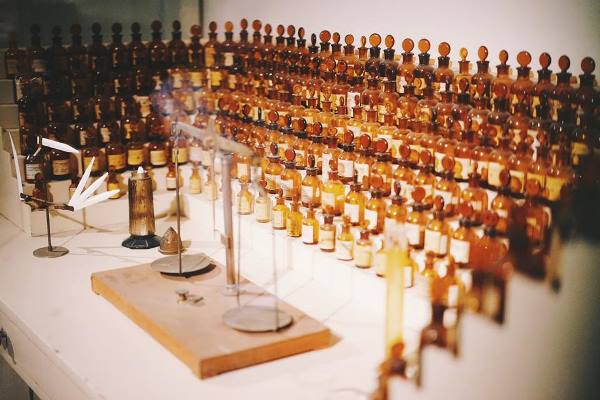
“Perfumery is an art, not a science, as many seem to believe. A scientific background is not necessary for the perfumer; scientific knowledge may even sometimes prove an obstacle to the freedom required in perfume creation,” wrote Jean Carles (1892-1966), the perfumer whose fingerprint is on Miss Dior, Carven Ma Griffe, Dana Tabu, Schiaparelli Shocking, and my absolute favorite, Elle… Elle by Lucien Lelong.

“The creative perfumer should use odorous materials in the same way that a painter uses colors and give them opportunity for maximum development and effect, although it is understood that potential reactions such as discoloration within the ultimate formulation and also the stability of the perfume should be given due consideration. This is about the only use the perfumer will be able to make of his scientific training, if any.”

Today many would disagree with Carles’s dismissal of a scientific background, especially when a perfumer is expected to create fragrances for a variety of products, from laundry detergents to candles. Carles himself approached perfumery in a scientific manner, laying out the techniques in his influential “A Method of Creation and Perfumery” published in 1961. All perfumer trainees, myself included, studied according to his theories of smelling and composition.

Continue reading →

Recommend Me a Perfume May 2017

Our May “Recommend Me a Perfume” thread is now open. You can use this space to ask any questions about perfume, including fragrance recommendations, and of course, share your discoveries.

How does it work: 1. Please post your requests or questions as comments here. You can also use this space to ask any fragrance related questions. To receive recommendations that are better tailored to your tastes, you can include details on what you like and don’t like, your signature perfumes, and your budget. And please let us know what you end up sampling. 2. Then please check the thread to see if there are other requests you can answer. Your responses are really valuable for navigating the big and sometimes confusing world of perfume, so let’s help each other!

To make this thread easier to read, when you reply to someone, please click on the blue “reply” link under their comment.

Photography by Bois de Jasmin

Scents of Evanescence

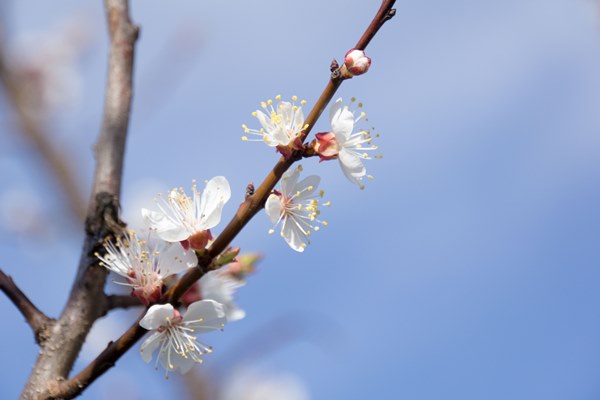
I often come across comments that many spring flowers are unscented. Tulips, cherry blossoms, and snowdrops fall into that category. But are they really? Tulips smell of earth, green sap and unripe apples. Cherry blossoms have a mild bitterness that contrasts with their frothy looks. Snowdrops smell green, dewy, with a curious musty note. Their aroma is mild, lacking the generous sweetness of late spring-early summer blooms, but they’re hardly unscented.

These watercolor fragrances are among the treasures of spring. Taking a bit of effort to discover them makes their delicate beauty more memorable. Even more so when you find them in an urban setting.

Continue reading →

As Seen On

Design by cre8d
© Copyright 2005-2026 Bois de Jasmin. All rights reserved. Privacy Policy