March 20, 2015 by in In Your Opinion
Scent Diary: Mimosa and Chocolate
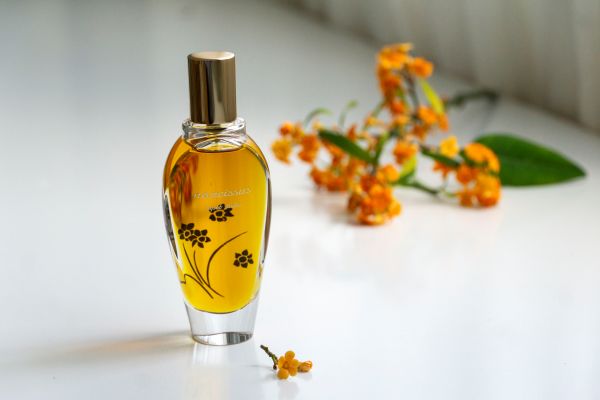
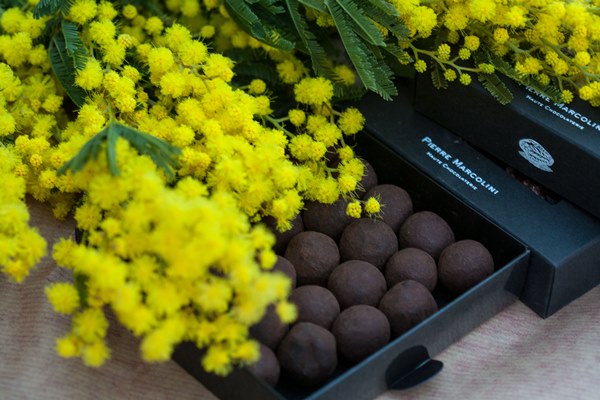
Soon after the blooming mimosa groves turn the hillsides in Provence bright yellow, splashes of color liven up the streets of Brussels and the florist displays. A bouquet of mimosa is like a box of bonbons–the ultimate treat. It smells like violet, cucumber peels and almonds, and although the scent is delicate, it fills the whole apartment. This morning mimosa is my scent of the day.
What fragrance are you wearing? What scents do you notice around you?
More on mimosa and how it’s used in perfumery: Mimosa, Cassie, and Honeyed Almonds
Photography by Bois de Jasmin