Osmanthus, Kinmokusei, Fragrant Olive and Its Perfumes

To inspire those of you who will be taking my Osmanthus classes.

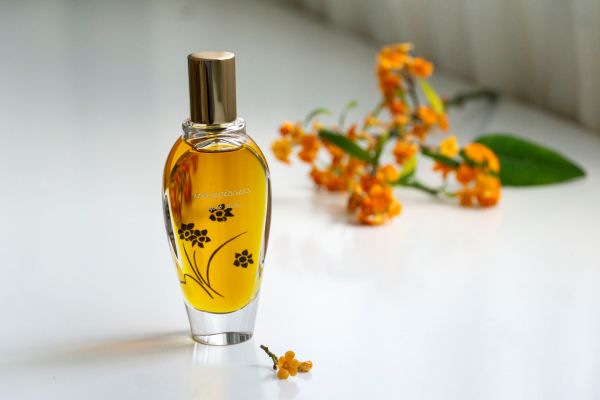
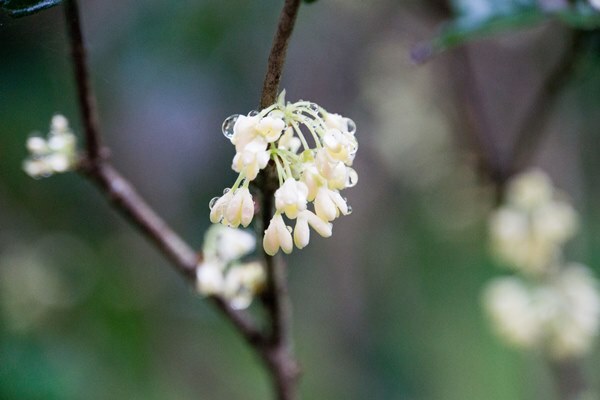
Once the weather turns cool in Tokyo, a sweet perfume fills its streets. It escapes from the parks and enclosed gardens and for a few weeks it becomes a familiar presence in a city better known for its skyscrapers, electronics and cuisine than for its flowers. The tiny blossoms that give Tokyo its aroma are easy to miss, but the perfume is so vivid that osmanthus is sometimes called “a ten mile fragrance” tree. In Japanese, it’s known as kinmokusei, and in English it may be referred to as a “fragrant” or “Chinese” olive, hinting at the plant’s origins, but by any name, the aroma of ripe apricots, jasmine petals and leather is irresistible.
Perfumer Jean-Claude Ellena was likewise enchanted by osmanthus, and he chose to pair it with a tea note in his fragrance for Hermès, Osmanthe Yunnan. Although Ellena was inspired by a visit to the Forbidden City in Beijing, his creation captures my memories of Tokyo in autumn. Every element in the perfume is delicately rendered, from the fruity notes that recall the softness of peach skin to the transparent white blossoms soaked in tea. The marriage of tea and osmanthus is a classical one, because both ingredients play up each other’s facets of fruits, woods, sweetness and bitterness. Osmanthe Yunnan is a happy perfume, and whenever I put it on, I feel as if I’ve stepped into a pool of sunlight.
Continue reading →

Hyacinth Perfumes and Spring Flower Notes

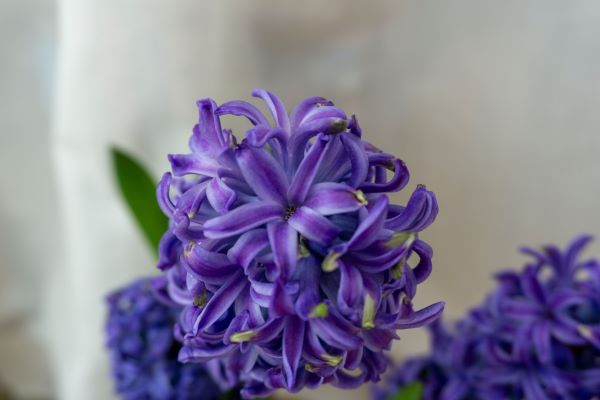
Spring is not spring for me unless it has hyacinths. I buy the forced bulbs and leave them around the apartment to wait for the moment when the flowers open up and fill the air with their perfume. The scent of hyacinth is not as delicate as that of many other spring blossoms; it’s rather heady and sweet, with an earthy note. It can be overwhelming, but the contrast is the reason why the fragrance of hyacinths appeals to me—and to other perfumers. Its complexity is an endless source of inspiration.

Hyacinth, like lily of the valley, lilac and gardenia, can’t be processed for essence, so perfumers have to create their own interpretation. Some emphasize the green, succulent facets of hyacinth, like Jean-Paul Guerlain in the legendary Chamade. Guerlain’s hyacinths are framed by the freshness of coriander and violet and the plushness of patchouli. The delicate sweetness of vanilla, an important note in all classics by the house, offsets the earthy darkness of hyacinth without obscuring it completely.  The effect of Chamade is airy, vibrant, and yet enveloping and warm.

Continue reading →

How To Preserve Sakura Blossoms and Leaves : The Scent of Almonds

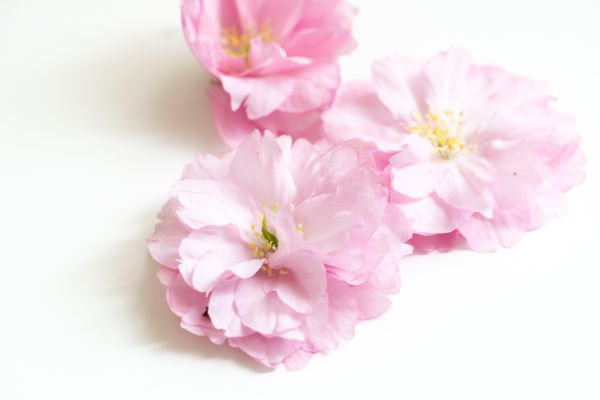
It’s almost the sakura season here in Brussels. While sakura blossoms don’t have much fragrance, their petals and leaves contain coumarin, which smells wonderfully of toasted almonds. When the leaves or petals are lightly crushed, you can smell this delicate scent, but it becomes much more pronounced once the flowers and leaves are salted. Drying concentrates the coumarin content and makes its aroma more prominent.

In Japan, salted sakura blossoms are used for various desserts, but I especially like them in tea. The leaves can be used when steaming or roasting fish to lend it an almond scent and I also use them in marinated cucumber salads. You can find great ideas on using salted sakura via Just One Cookbook, a great source for Japanese recipes.

Most Japanese stores, in brick and mortar and online, carry salted sakura flowers and leaves all year round, but if you have a sakura or a sour cherry tree, you can make them yourself. In Japan, Oshimazakura is preferred for its leaves, while Yaezakura for flowers, which are full and have many petals. However, you can experiment with any cherry variety you have in your garden.

Continue reading →

Recommend Me a Perfume March 2024

Our “Recommend Me a Perfume” thread is open this week. You can use this space to find perfume recommendations, to share your discoveries and favorite scents, and to ask any questions about scents, aromas and flavors. Or you can just tell us what perfume you are wearing.

How does it work: 1. Please post your requests or questions as comments here. You can also use this space to ask any fragrance related questions. To receive recommendations that are better tailored to your tastes, you can include details on what you like and don’t like, your signature perfumes, and your budget. And please let us know what you end up sampling. 2. Then please check the thread to see if there are other requests you can answer. Your responses are really valuable for navigating the big and sometimes confusing world of perfume, so let’s help each other!

To make this thread easier to read, when you reply to someone, please click on the blue “reply” link under their comment.

Photography by Bois de Jasmin

Leather Perfumes and Glamour

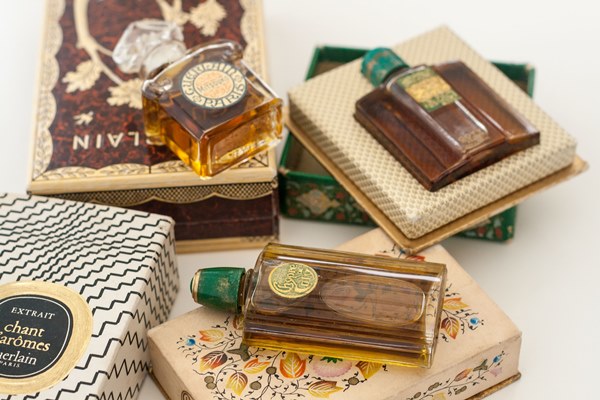
Whenever I browse the accessories racks in vintage shops, I furtively sneak a whiff of the leather purses. They are always full of surprises, these old handbags, still bearing traces of melted lipstick and ink on their silk linings. Their worn leather can smell smoky or sweet, reminiscent of salty tobacco or spicy wood. I trace the cracks in the leather with my finger and imagine the places where the purses accompanied their owners. Had this beige minaudière decorated with pearls seen many a cocktail party? Did the faux crocodile leather doctor’s bag conceal important documents—or love letters?

Leather accented perfumes inspire similar daydreams for me. Though leather accords have the reputation of being dark and brooding, the versatility and range of leather notes lend them to many styles, including romantic.

Continue reading →

As Seen On

Design by cre8d
© Copyright 2005-2026 Bois de Jasmin. All rights reserved. Privacy Policy