In Tribute to Lviv: Lonely Mozart in Lemberg and Reflections on Solitude

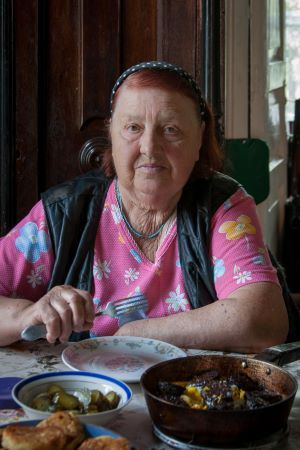
On Thursday, Russia launched a missile attack on Lviv, a city in western Ukraine, about 60 km from the Polish border. A jewel of Renaissance art, Lviv has a long history. Today it stands in mourning, grieving over the lives lost in the bombardment. Some of its beautiful buildings are in ruin. A few years ago, I spent a memorable time in Lviv with my mother and fell in love with the city. Below is my tribute to its fin-de-siècle allure–and the nostalgic beauty that unities Lviv with another gorgeous city on the other side of the border, Kraków.

In 1808 Franz Xaver Wolfgang Mozart, the youngest son of the famous composer, traveled to Lemberg. Today it’s Lviv, a city in western Ukraine, but when the eighteen year old pianist was packing his sheet music and books and setting off on his journey, it was located in Galicia, an entity created by Joseph II after the partition of Poland in 1772. (It was the same Joseph that commented about the Marriage of Figaro, “too many notes, Mozart.”) While young Mozart was aware that he was trading Vienna for the provinces, he was in dire straits. Lemberg seemed like a promising place for a pianist to build his career and return to the capital. Mozart ended up staying for more than two decades.

Young Mozart’s early letters to his family were filled with mentions of his “loneliness [Einsamkeit].” He acutely felt the Galician isolation and complained that his inspiration was deserting him. He envisioned all of the brilliant conversations he could have experienced in Vienna society, the music, the books, the arts, and despaired of finding anything similar in Lemberg. Franz Mozart’s output over his lifetime was indeed small, yet, what becomes obvious is how much he drew on the local surroundings and how creatively he interpreted them.

Continue reading →

Fragrances From The Spice Trail

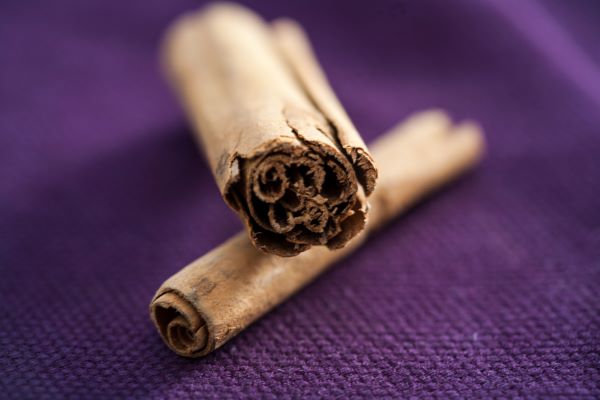
I spent much of last year traveling and researching the way spices and other aromatics are grown. My pursuit took me to the clove gardens in Indonesia, cumin fields in India, and the cassia cinnamon groves in Vietnam. The word ‘spice’ contains the same root as the word ’special,’ and I wanted to discover how these unique fragrant plants are transformed into essences and used in perfumery.

The journey was full of revelations. I learned, for instance, that processing clove essence involves not the buds of the tree, the familiar cloves of mulled wine and gingerbread, but rather the stems and leaves. All parts of the clove tree contain essential oil with varying scent profiles. The leaves release sweet-smelling essence, but the one derived from the stems has a smoky, woody accent.

Continue reading →

The Rooster House New York Times Review

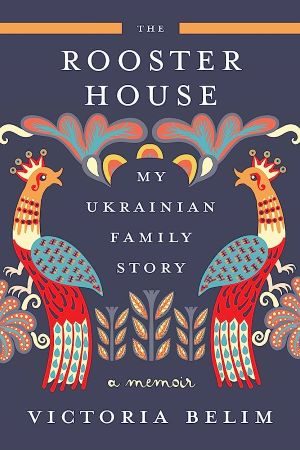
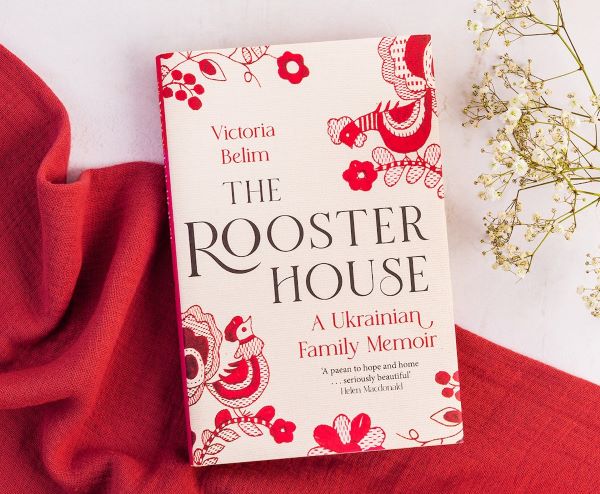
I’m delighted to share that my book The Rooster House is now available in the USA and Canada. It has been released by Abrams Press on June 27th and it’s now on the bookshelves around the country. The New York Times ran a review of my book earlier this week.

“When something of ours, something we took for granted as being ours, is destroyed before our eyes,” writes the Ukrainian-born journalist Victoria Belim, early in her absorbing memoir, “we are destroyed along with it.” “When Going Home Becomes a Fact-Finding Mission,” The New York Times, June 27, 2023

Continue reading →

Recommend Me a Perfume : June 2023

Our “Recommend Me a Perfume” thread is open this week. You can use this space to find perfume recommendations, to share your discoveries and favorite scents, and to ask any questions about scents, aromas and flavors. Or you can just tell us what perfume you are wearing!

How does it work: 1. Please post your requests or questions as comments here. You can also use this space to ask any fragrance related questions. To receive recommendations that are better tailored to your tastes, you can include details on what you like and don’t like, your signature perfumes, and your budget. And please let us know what you end up sampling. 2. Then please check the thread to see if there are other requests you can answer. Your responses are really valuable for navigating the big and sometimes confusing world of perfume, so let’s help each other!


To make this thread easier to read, when you reply to someone, please click on the blue “reply” link under their comment.

Photography by Bois de Jasmin

Revisiting Hermessence : Myrrhe Eglantine, Cedre Sambac, Agar Ebene

44444

When the Hermessence collection was first launched in 2004, it was conceived as an olfactory haiku—a few subtle details combined to create a complex impression. I still remain partial to the original creations like Vétiver Tonka and Ambre Narguilé, but the Middle East-inspired trio of Myrrhe Églantine, Cèdre Sambac, Agar Ebène has become my favorite. The compositions are complex and layered, with the classical Hermès radiance.

Myrrhe Églantine, for instance, plays with the shimmering effect of rose, setting it against a velvety background. This contrast has fascinated me from the first time I tried the perfume and the more I wear it, the more beguiling it becomes. The fragrance starts out on a sweet citrus, followed by a dark glimpse of violet. Unexpectedly, however, the notes fuse into an illusion of a crimson rose. When later, myrrh, a plush, resinous material that smells like licorice, woods and unburned incense, stakes its claims, the rose becomes even warmer.

Continue reading →

As Seen On

Design by cre8d
© Copyright 2005-2026 Bois de Jasmin. All rights reserved. Privacy Policy