Chandler Burr Article on Perfume Bottles

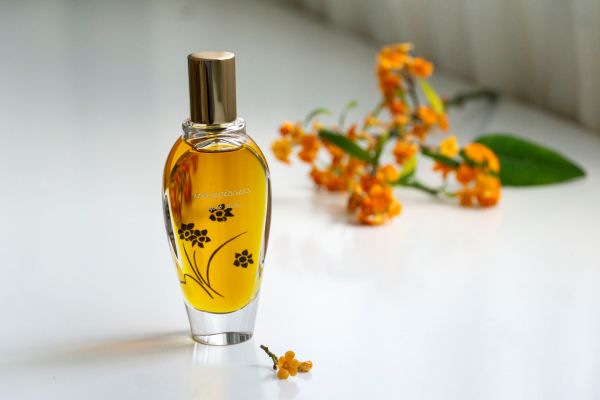
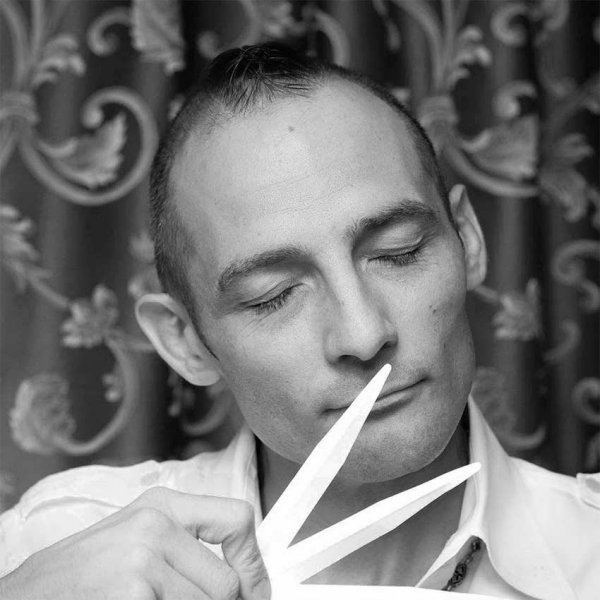
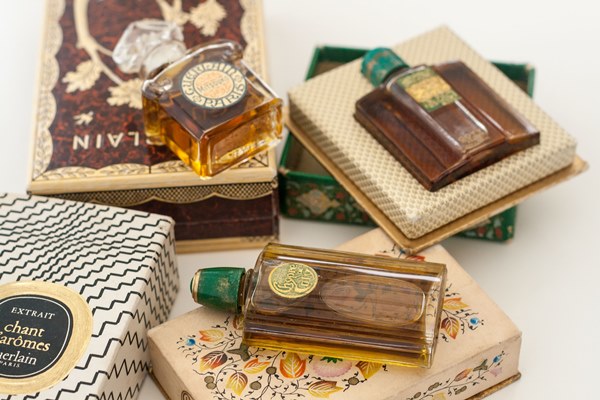
One cannot deny that an appealing perfume bottle lends more allure to the juice inside. The New York Times article “Smoke and Mirrors” by Chandler Burr explores the topic of perfume packaging.

Fragrance News: New Limited Edition from L’Artisan Ambroisie ArArAt

Ambroisie

Do you want to hear some good and bad news? Here is the good part. Armenian cognac company Ararat commissioned a new limited edition fragrance from L’Artisan Parfumeur, called “Ambroisie ArArAt.” The fragrance was created by Bertrand Duchaufour, the nose behind such L’Artisan Timbuktu, Christian Dior Fahrenheit Fresh and Acqua di Parma Colonia Assoluta (in collaboration with Jean Claude Ellena). The fragrance is based on floral and nutty accords and is constructed to resemble the tri-tiered gustatory sensation from experiencing cognac. Alas, there are bad news too. There only 10 bottles of the fragrance available, therefore this is more of a tease than a true temptation.

London Times article on Guerlain

The rise of the house of Guerlain parallels the growth of the Second French Empire, but whereas Second Empire collapsed after after France’s defeat in the Franco-Prussian War (1870-1871), the house continued to thrive, in many ways examplifying the greatness of French perfumery. If you like Guerlain, then you might find this London Times article very interesting.

Frederic Malle Le Parfum de Therese : Perfume Review

55555

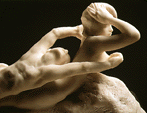
Fugit_amor

Star rating: 5 stars–outstanding/potential classic, 4 stars–very good, 3 stars–adequate, 2 stars–disappointing, 1 star–poor.

Frédéric Malle Le Parfum de Thérèse was created by Edmond Roudnitska, one of the most influential perfumers, the nose behind Rochas Femme, Diorella, Diorissimo and Dior Eau Sauvage among others. According to Frédéric Malle’s site, Le Parfum de Thérèse was composed in 1960s by Mr. Roudnitska for his wife, Thérèse. Upon the death of the master perfumer in the 1996, his wife allowed for the fragrance to be released to the public through Frédéric Malle.

Le Parfum de Thérèse is one of my favorites from the collection. The burst of sunny mandarin is followed by tart sweetness that reminds me of cantaloupe. A dry note of pepper softens the sweet fruity accord before green, yet animalic jasmine reveals itself. It is faint at first, however it becomes deeper over time. Roudnitska’s treatment of indoles–perfume materials that smell of decay and moth balls–in jasmine is fascinating. By amplifying the dark notes, he creates a genuinely sensual fragrance that straddles the fine line between seduction and repulsion.

While jasmine intensifies, violet and rose swirl out of the spicy green plum accords in the middle notes. The entire composition rests on a dry leathery base touched by earthy notes of vetiver. A fragrance both seductive and elegant, it unfolds gently on the skin, never failing to surprise me. I find something new in it every time I wear it.

Photo: Auguste Rodin, Fugit Amor (before 1887), marble, Musée Rodin, Paris. Photo by E. & P. Hesmerg.

Jean Patou Vacances : Fragrance Review

55555

Matisse_woman_before_acquarium

Star rating: 5 stars–outstanding/potential classic, 4 stars–very good, 3 stars–adequate, 2 stars–disappointing, 1 star–poor.

Prompted by a question about a fragrance I would associate with Matisse, I began to reflect on what perfume would capture the strength of the lines, the vibrancy of the colors, the alluring delicacy of the finished composition as well as the Mediterranean feel pervading his works. If there is one fragrance that contains all of these elements, it must be Jean Patou Vacances.

Vacances was created in 1936, alluding to the introduction of the first paid holidays in France. Its vibrant spicy opening shimmers like sun rays hitting the water, before rich greenness softens the sizzle of carnation. Galbanum with its scent of sliced green peppers is a perfect counterpoint to the wave of honeyed powderiness that emerges next. The breath of lilac wafts in like a scent carried by the wind through an open window. At first, it merely teases, weaving gently through the heart of the composition, until finally it solidifies, resting on a soft musky base. The colors of the composition are hardly subtle—the intense verdancy of hyacinth and galbanum, the dark powderiness of mimosa, the rich sweetness of lilac. Yet, the resulting fragrance is a perfect juxtaposition of delicate peppery and green sap notes folding into honeyed sweetness. In my romanticized vision of a town on the Mediterranean coast, this is the scent that would be filling the air.

Painting: Henri Matisse. Woman before Aquarium. 1921. Oil on canvas. Barnes Foundation, Lincoln University, Merion, PA. Thank you for a great question goes to my painter friend Laura, whose site is such an inspiration for me.

As Seen On

Design by cre8d
© Copyright 2005-2026 Bois de Jasmin. All rights reserved. Privacy Policy