Perfumes with the Best Sillage (and how to figure it out)

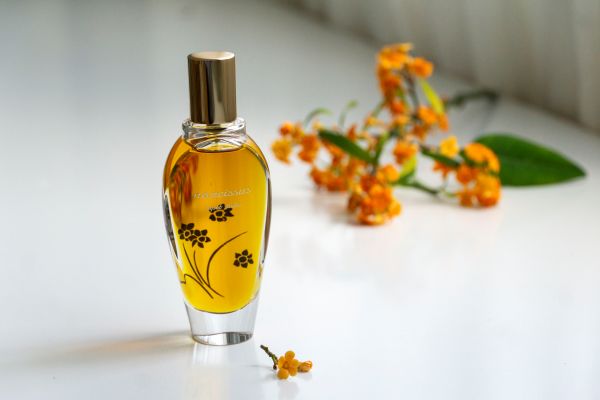
Perfume wearers and boats have more in common than one might reasonably suspect. Sillage (pronounced as see-yazh) is a French word that means “wake”, as in the airplane contrails criss-crossing the skies or the waves left on water by a passing ship. But it’s also used to describe the scented trail created by perfume. Sillage defines the degree to which fragrance emanates from its wearer and diffuses into the space around them.
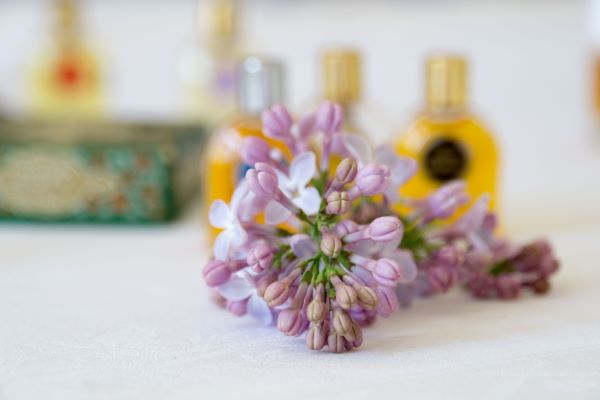
Sillage is an important quality to keep in mind when buying a perfume or when selecting it for specific occasions. Big sillage scents are the most complimented because they’re easy to notice, but their distinct presence may make them inappropriate for restaurants, theatres, or some office environments. On the other hand, a fragrance that doesn’t bloom at all is rarely satisfying. The goal is to find the right sillage for your mood and lifestyle.
Continue reading →

One Week Perfumery Course with the Jean Carles Method

Continuing the Professional Perfumery series, in which I explain how perfumers are trained, how they create fragrances and how you can use their techniques to improve your sense of smell, I will talk about the Jean Carles method. This method is used to learn perfumery raw materials. When I was studying at IFF Perfume Academy, we didn’t use this method, but I applied it to my own practice, and I found it helped me to memorize smells better. It also helped me to learn the nuances of materials, since it’s based on comparing and contrasting them.

Once I finished recording the latest episode, I decided to create a one-week study plan for those who are serious about learning perfumery. I followed the Jean Carles method, but I modified it to the home environment. It means that I reduced the number of materials studied each day. I also selected materials that can be easily obtained as essential oils or can be used in their natural state. It’s appropriate for complete beginners.

Continue reading →

Why Bad Smells Are Important in Perfumery

One of the paradoxes of perfumery is that to create a good smell, you need a bit of funk. A strawberry accord won’t smell convincing without a sulphurous accent. Recreating a dewy white blossom requires the same substances that are present in horse sweat. There is even a space in every perfume lab devoted to materials with strong, reeking odors, and it’s appropriately called “the stinky room.” Next to the roses and vanillas in a perfumer’s palette, notes reminiscent of dirty hair, musty fur, burnt toast or decaying fruit have their place of honor–costus, musks, civet, pyrazines and many other pungent ingredients. They may be used in small quantities, but they’re important enhancers, giving vibrancy, texture and spice to an otherwise conventional fragrance.

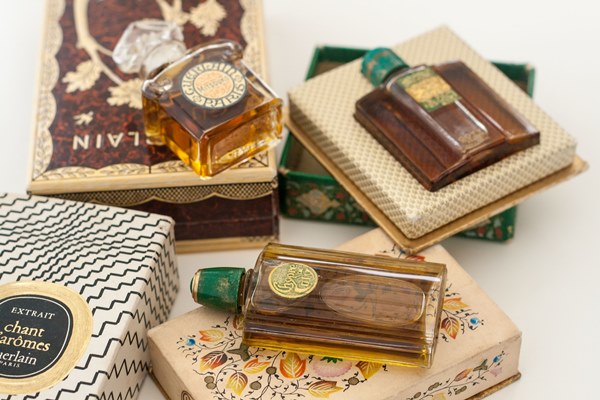
Traditionally, the raunchy notes in classical perfumery were of animalic origin—musk, civet, and ambergris. Today they have been replaced by their synthetic analogs, but they play the same role, warming up a composition and giving it a lush character. Chanel No 5 wouldn’t be the marvel that it is without a cocktail of musks that lingers under the layer of champagne-like aldehydes, rose and jasmine. In Hermès’s Calèche, a whisper of sunwarmed skin keeps this refined blend from becoming icy and aloof. Even more unexpected is Cartier Déclaration, a citrus cologne with a shot of cumin, a spice with a distinctly sweaty odor. For a proper bombshell you could turn to Schiaparelli Shocking, which transforms musk, honey, and civet into a symphony of ripeness.

Continue reading →

How to Apply Perfume

The topic I’m taking up in my new video seems straightforward–how to apply perfume, but it’s a question I receive often. There are so many misunderstanding and misguided advice. For instance, “spray perfume into the air and step into the cloud of scent.” That’s a good way to perfume your room, but as for your person, it’s wasteful. Are you supposed to apply perfume on pulse points? Can you wear it on fabric instead? How much is enough? I cover various aspects and share my own experience.

If you’re curious to learn about changing the perception of your perfume, experiment with the application method. In One Perfume, Four Ways to Wear It, I’ve shared a few tips.

And of course, please tell me how you wear perfume and how much do you tend to apply?

Professional Perfumery Training and tips for improving sense of smell

I’ve made a video explaining how professional perfumery training is organized. My explanation is based on my own experience as a perfumer student at IFF. I will also point out a few tips that anyone can use to develop a sharper, more acute sense of smell.

Ever since I’ve posted the video, I’ve received several comments to continue the series, so the next video on the topic of professional training will be on the Jean Carles method of learning raw materials.

I hope that you like the videos, and if you have any specific topics that you would like me to cover, please let me know.

As Seen On

Design by cre8d
© Copyright 2005-2026 Bois de Jasmin. All rights reserved. Privacy Policy