Perfume Notes: 112 posts

Articles on perfume ingredients and fragrance terminology

Smoke and Ashes

Please give a warm welcome to Elisa Gabbert, a new Bois de Jasmin contributor. Elisa’s first brush with perfume greatness came in the form of a bottle of White Linen lotion from her grandmother. About 20 years later, she fell down the rabbit hole after reading “Perfumes: The A to Z Guide” cover to cover on a flight. Currently she lives in Denver and is the content marketing manager at a small software company based in Boston. She also writes poetry (with collections including “The French Exit” and “The Self Unstable”) and is a founding member of Denver Poets’ Theater. You can discover her poetry and reflections on other things at her blog, The French Exit.

If we were wired properly, the smell of smoke would read as a warning sign. Yet I don’t associate smoke with Colorado wildfires or the carcinogenic properties of cigarettes and burnt toast. Instead, smoke conjures all things cozy and delicious: passing whiskey around a campfire, worn leather gloves, blown-out candles, the whiff of vanilla pipe tobacco when you pass a dapper old fellow on the street. I love smoke in my food (lox, bacon, barbecue,  smoked paprika, chipotle chiles) and I love smoke in my perfumes.

incense-smoke

Because smoke comes from fire, it’s an inherently warming scent, so as the air gets crisp and I pull out my scarves and fall jackets, I start craving my smoky perfumes. There’s a bit of magic in them – it makes sense that crushed rose petals would smell something like rose, but it’s somehow less obvious that you can bottle the effect of gray wisps rising in curls from ash.

Continue reading →

Mimosa, Cassie, and Honeyed Almonds : Perfume Note

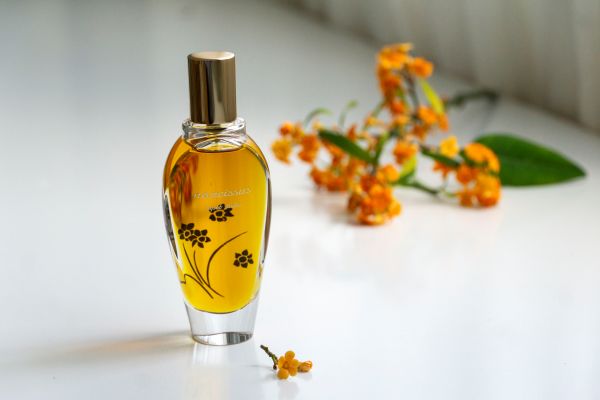
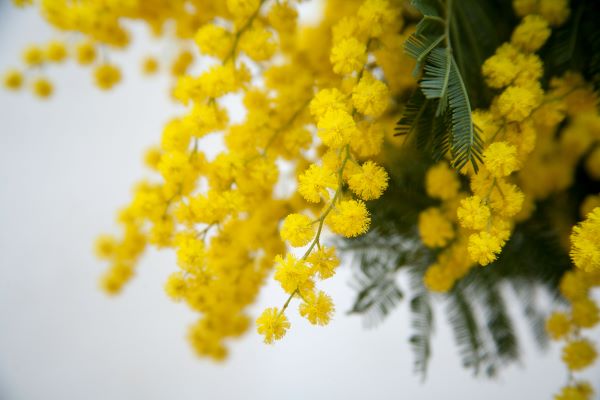
In the depths of winter, when I begin to lose faith that spring will ever come again, the yellow pompoms of mimosa lift my spirits. No matter how rushed I am, the slender branches arranged in the florist’s windows tempt me to slow down, and I walk out of the store burying my face in a large bouquet. The fluffy flowers caress my cheeks and dust them with lemon-yellow powder, and the scent is vivid and joyful to match the explosive color–a mixture of green violet and honey soaked almonds. It’s delicate, but remarkably persistent, filling the room with the aroma of Provence within minutes.

Even if you haven’t smelled real mimosa*, chances  are you’ve encountered it in perfume. This material is one of the most intriguing and complex. The mimosa used in perfumery belongs to a related family, Acacia, with two varieties processed commercially for their fragrant oil–Acacia decurrens var. dealbata (called simply mimosa in the perfumery trade) and Acacia farnesiana (cassie). The former is the pompom like yellow mimosa in my photo, the latter is simpler and more austere but equally fragrant.

Continue reading →

Building Perfume Wardrobe Guide Part 7 : All About Woods

Part 1: Florals ~ Rose
Part 2: Florals ~ Jasmine and White Florals
Part 3: Florals ~ Lily of the Valley and Violet
Part 4: Florals ~ Blends
Part 5: Essentials
Part 6 : Orientals

Autumn is the time of year when I reach for woods fragrances from my collection, hoping to recall memories of crisp leaves, curls of wood smoke, and the bracing green of pine. Woods fragrances may include sandalwood, cedar, oak, pine, and cypress (plus more), and also include for classification’s sake patchouli and vetiver.  Some woods fragrances smell like the outdoors, while others smell like an antique treasure chest and still more use wood as a basenote, skipping the ambient quality and using wood as a background support.

woods

Wood notes are used in both male and female fragrances and may be interpreted differently.  In male fragrances, woods can suggest rugged masculinity (Coty Wild Woods) or they can be smoothed over with elegance (Chanel Égoïste).  A large amount of sandalwood in Samsara enhances the seductive nature of this Guerlain classic.  I enjoy the dryness and sharpness that wood notes can bring to fragrances, and their combination of elegance and sensuality.

Continue reading →

Smells of Summer : Tomato Leaf

Suzanna on tomato leaf as a perfume note.

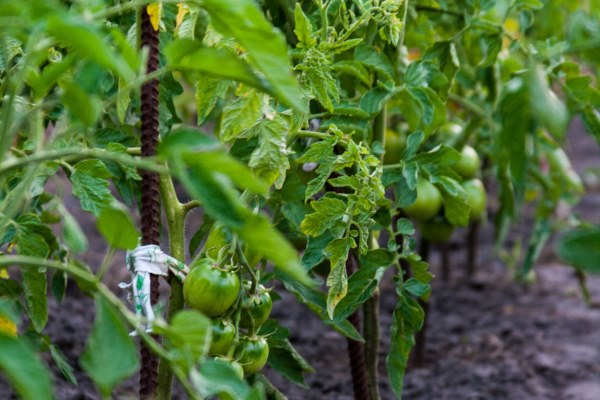
Among the smells of summer (suntan lotion, beach rose, vanilla ice cream, jasmine, hot asphalt, and blackberries, to name a few), none is more redolent to me of that golden season than is the scent of tomato leaves. The leaf’s smell transports me to the end of summer, to the dog days where the heat shimmers and the dust in the road rises and seems to hang in the sultry air.  It is then that the season’s tomatoes, fat and bulging globes of red fruit, release their scent in what always seems to me an impromptu act of fragrant pleasure.

tomato leaf

The smell of the tomato leaf is precise and yet is impossible to nail down with any accuracy; as with a geranium leaf there is a green/acidic vegetal smell and a nearness to turpentine or pine, plus a hint of almost-acrid dust or chalk resin.  The smell is sharp and suspenseful—one can tell the state of ripeness of the fruit, or so it seems, from the high pitch of this aroma.  Its particular odor is due to an aromachemical of a type that also causes the smell from the geranium leaf.

Continue reading →

Sandalwood : Roses & Cream Perfume Ingredient

My first whiff of real sandalwood came from a necklace my aunt’s husband sent her while he was working abroad. As fate would have it, he had to leave for the Middle East just as they got married, and his letters and gifts were always a big event for us. As my aunt read one of his passionate love letters, the necklace was forgotten on the table, and I came closer to inspect the small carved beads. Tan brown and small, they didn’t look like much, but their perfume of roses, warm milk and incense was so vivid that today, more than two decades later, I can recall it perfectly.

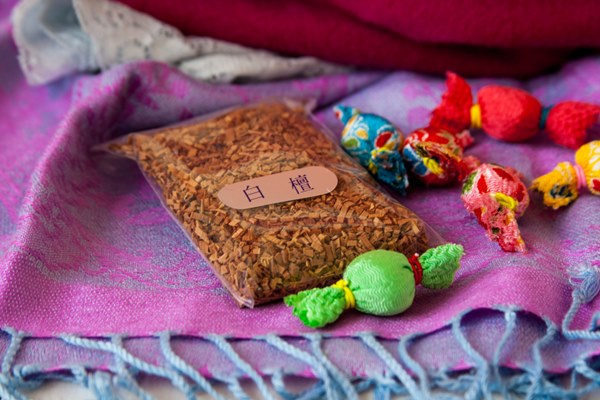
sandalwood chips

This early romantic and exotic association with sandalwood inspired my love for this materials. When I look at the notes I took during my perfumery training, the part on sandalwood covers about 10 pages. Although classified as a wood, sandalwood smells of cream and flowers. It has none of the raspy sharpness of rosewood, the pencil shaving bite of cedarwood or the earthy or damp tang of vetiver. Sandalwood is reminiscent of something one can enjoy in a dessert sprinkled with candied rose petals, and in some parts of India sandalwood flavors milkshakes and sweetmeats.

Continue reading →

As Seen On

Design by cre8d
© Copyright 2005-2026 Bois de Jasmin. All rights reserved. Privacy Policy