Perfume Notes: 112 posts

Articles on perfume ingredients and fragrance terminology

Coumarin, Tonka Beans : Perfume Notes

Tonka

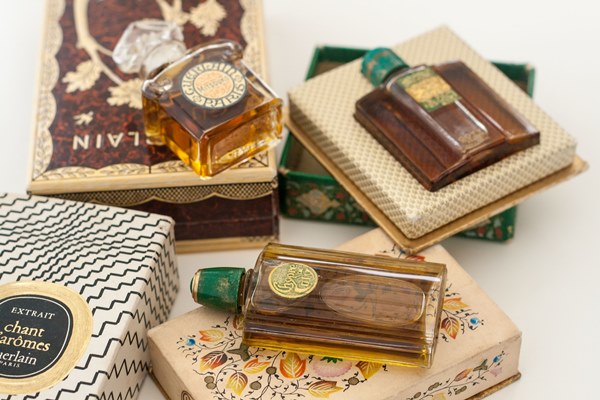
Baked cherries, almonds, sweet hay, cloves, vanilla and caramel… The aroma of tonka beans, the seeds from the fruits of the Dipteryx Odorata tree native to South America, has a fascinating complexity and richness. An important note in a perfumer’s palette, tonka bean absolute (and its main component coumarin) lends fragrances a unique facet. The oriental genre in perfumery is inconceivable without the candied almond and vanilla note of tonka. It is a common note to nearly all classical Guerlain fragrances and is an important part of the accord that gives perfumes like Shalimar and Chamade their voluptuous, baroque aura. 
Continue reading →

Enfleurage : Perfume Vocabulary and Fragrance Notes

Jasmineelise

by Elise Pearlstine

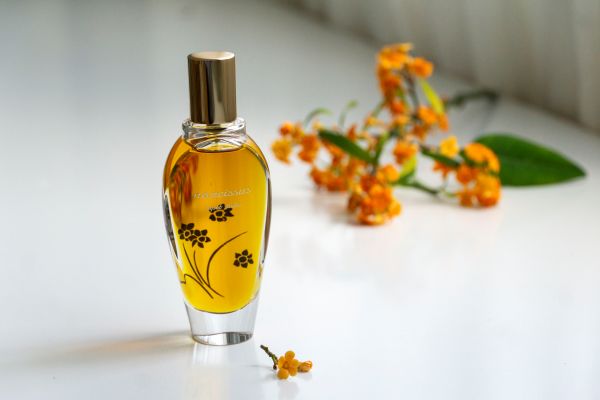
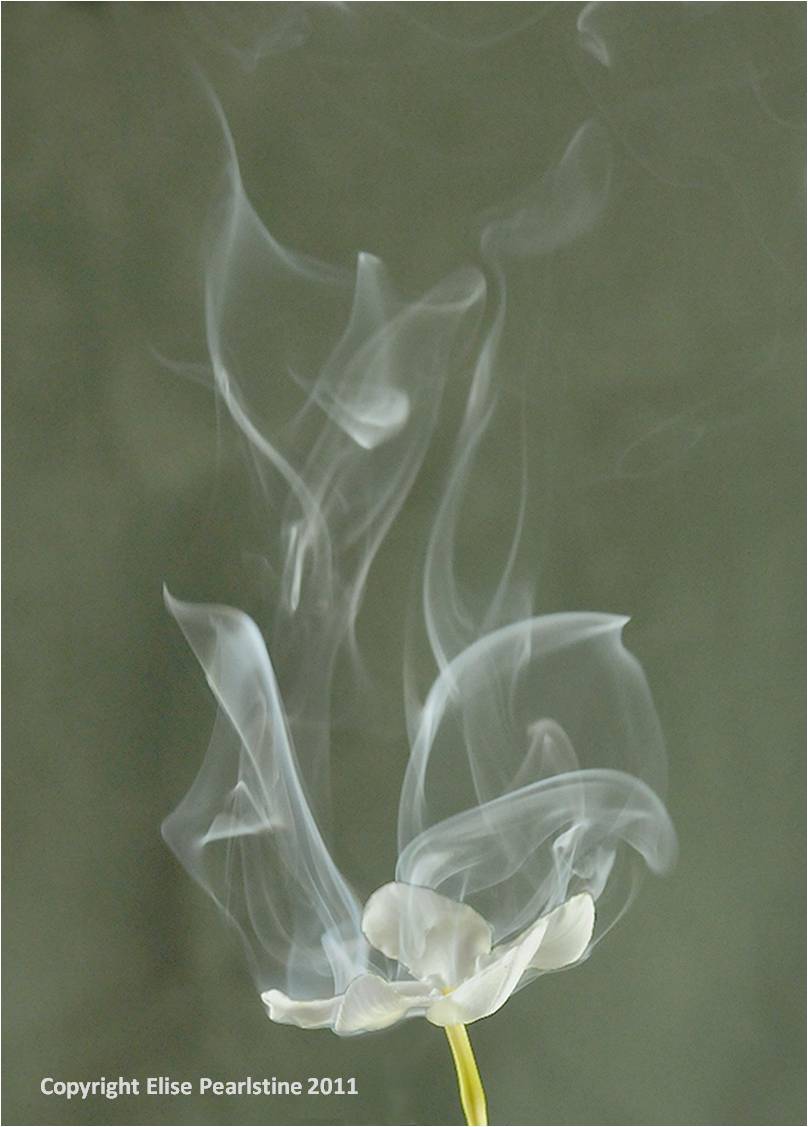
Plants breathe but flowers exhale. Their fragrances may be light and airy or strong and spicy but they are all distinctive and beautiful, these flowers that exhale. Plants breathe in carbon dioxide and breathe out oxygen – not with lungs but with leaves, stems and sometimes roots. For most of their growing period they use carbon dioxide and minerals from the soil to build leaves, stems, twigs, blades, roots, tendrils, and fronds. Then they create the flowers. Some plants form flowers that are scented, a few of those have lovely diffusive scents. An even smaller number of flowers will continue to exhale their fragrance after they are removed from the plant. From those, a precious few produce scents that are wondrous and magical, perfect for making perfumes. For these few and fragile flowers, capturing their scent may be best achieved through enfleurage. A list of these flowers includes jasmine, tuberose, violet, jonquil, narcissus, mimosa, acacia, gardenia and hyacinth.

Continue reading →

Indole, Indolic : Perfume Vocabulary & Fragrance Notes

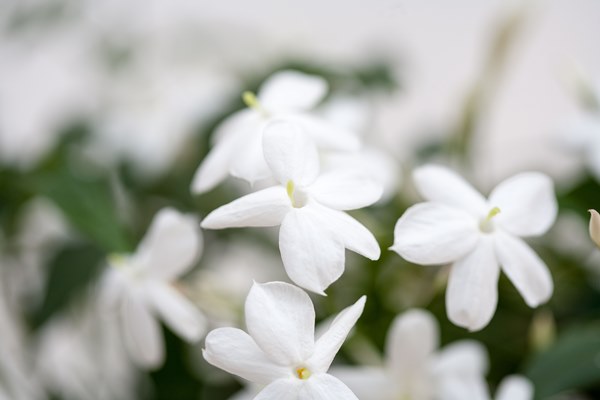
Jasmine, lilac, honeysuckle, gardenia, and orange flower all have diverse olfactory profiles, yet they share the presence of indole, which gives them a rich, narcotic fragrance. Without this unique material, which in pure form looks like white diamond dust, it would have been impossible to recreate the true scent of blooming flowers. A tiny amount of indole is all it takes to infuse life into a composition of floral notes, to make an abstract, vague petally form to appear as a lush, nectar suffused flower.

jasmine

Indole is often described as “fecal and animalic,” which is a complete misrepresentation. In its pure form, indole smells like moth balls, possessing the same heavy, sweet, tar-like pungency. In fact, it is so strong, suffocating and diffusive that smelling it pure one is hard pressed to imagine that it could be a lovely floral note. Yet, indole changes dramatically in dilutions. It suddenly displays its radiant, floral quality. The suffocating moth ball effect disappears to give way to a completely different image–a handful of gardenia petals or a branch of jasmine flowers.  The opulent, narcotic effect of indole is employed whenever a perfumer wants to create a floral effect or else to give a lift to a heavy, oriental composition.

Continue reading →

Layering Fragrances : Perfumer Jean-Claude Ellena and French Elle Part 1

Seraphine

Part 2: Layering Fragrances : French Elle Guide Part 2

There are two schools of thought on layering fragrances. The Purist school holds that the fragrance is a finished work and any tempering with it would destroy the perfect balance that the creator tried to achieve. The Experimentalists, on the other hand, see an interesting potential in layering fragrance in being able to come up with interesting combinations and to personalize one’s fragrance choices.

The Experimentalists have a great perfumer Jean-Claude Ellena on their side, who has even suggested interesting layering combinations. A longtime fellow perfume lover and an excellent researcher, Bela has kindly shared with me excerpts from Elle magazine on the topic of perfume layering, which were translated by her from French.

NB: I also highly recommend Bela’s website, which includes recordings to help pronounce French perfume names.

The Rules of Successful Layering according to French ELLE magazine:

The safest way to do it is with citrus notes. They blend easily with floral, woodsy and even ambery fragrances. Such combinations enable you to associate two different ‘scent worlds’ and prevent either of the two fragrances being redundant. How to go about it: spray the stronger perfume first so that the notes from the second perfume get added to the heart and base notes of the first one.

Continue reading →

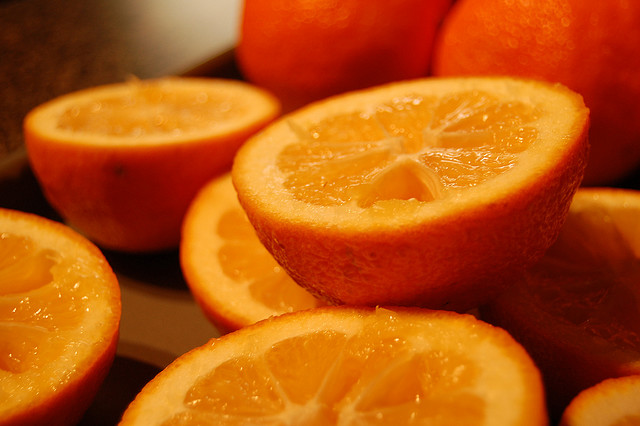
Orange Blossom, Neroli, Petitgrain : Bitter Orange Notes

Seville orange

The bitter orange tree is one of the most useful for perfumery—every part yields an interesting raw material. The flowers provide orange blossom absolute and neroli oil, the leaves and tender buds give petitgrain, while the fruit peel contains the wonderfully rich and complex bitter orange oil.

Orange blossom and neroli are extracted from the flowers of the bitter orange tree (Citrus bigaradia), with the different methods of extraction determining the type and olfactory characteristics of the resulting oils. Orange blossom oil is extracted with volatile solvents, while neroli is steam-distilled. The former is warm, jasmine-like, with a sweet grape and indolic twist, while neroli is greener and spicier. The fruit of the bitter orange tree produces bitter orange oil (the distinctive note in Frédéric Malle Cologne Bigarade), and its leaves give the sparkling verdancy of petitgrain oil.

Continue reading →

As Seen On

Design by cre8d
© Copyright 2005-2026 Bois de Jasmin. All rights reserved. Privacy Policy