general perfume articles: 94 posts

Articles on different aspects of perfumery. If you’re interested in learning how to make decants, to craft your own scented lotion, to test fragrances, to pick the best perfumes for different occasions, or if you’re curious to step inside a perfume lab, this group of essays will be of interest.

Opulence and Bollywood Through Perfume

I love Bollywood movies. The women are gorgeous, the men dashing, the good guys saintly, and the villains so evil that they make Thomas Barrow of Downton Abbey seem kindhearted. And everyone is ready to break out into a song on the spur of the moment. To an uninitiated audience, Bollywood films can seem odd, at best. The philosophy in costumes, makeup and special effects is “more is more.” The item numbers, song-and-dance sequences, are entirely unrelated to the plot. You have to completely suspend your disbelief on the most basic points. But once you’re used to the characteristic cocktail of songs, tears, love, and tinsel, Bollywood fairy tales can be the best escapist fun.
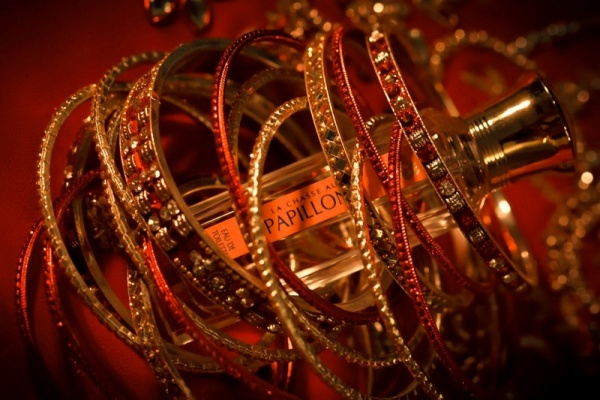
la chasse

So can perfumes. Recently, when I was enjoying the heady combination of Bollywood and Guerlain Nahéma after a stressful day,  I decided to explore my favorite Indian films through scents.  I selected 10 movies and linked them with fragrances that captured their themes or characters. If you want to get a taste of Bollywood, please read on. Needless to say, the perfumes on my list are as opulent as the Indian cinematic extravaganza.
Continue reading →

Fragrances That Influenced Perfume History : 100 Great Perfumes Series 5 / 10

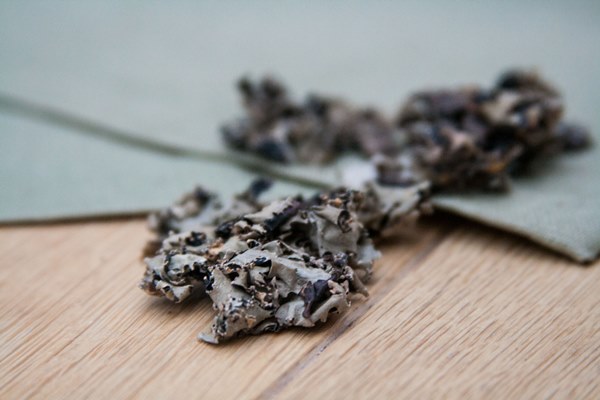
I’m happy to bring back the much requested series on fragrances that influenced perfume history. If you’re new to this feature, please start with Series 1, in which I describe how this project came about and how I made the selections.  Perfumery evolves slowly, and classical ideas continue to influence new creations. As I mentioned before, you need not enjoy classics (and you certainly shouldn’t feel bad about disliking Chanel No 5 or not “getting” Guerlain Mitsouko). Every perfume, as is the case for art, music or literature, has its own era and its special flavor, and some of us gravitate to contemporary examples. But smelling classics at least once is important if you want to understand where modern perfumery gathers its inspiration. treemoss

Series 1 :: Series 2 :: Series 3 :: Series 4 :: Series 5 :: Series 6 :: Series 7 :: Series 8 :: Series 9 :: Series 10

41. Coriandre          (Jean Couturier, perfumers Gérard Pelpel and Jacqueline Couturier, 1973) The 1970s were the era of the chypre, a mossy woody fragrance family. It developed much earlier in the 20th century with Coty Chypre giving it a modern form, and then Guerlain Mitsouko making it more accessible, but the love affair with moss really exploded in the 1970s. If you enjoy this genre, the 1970s perfumes are going to be a great discovery.

Continue reading →

Bergamot : Perfume Note and Ingredient

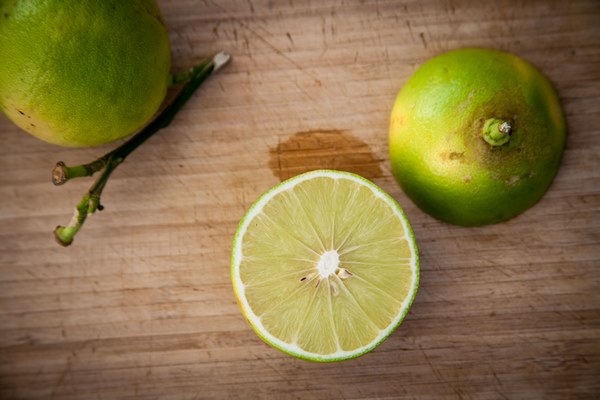
The first time anyone smells fresh bergamot, they usually have one comment, “Earl Grey!” We associate its peppery scent so much with the flavored black tea that it’s hard to picture bergamot as anything else. In reality, it’s a small citrus of the Citrus bergamia variety, and its fragrant essence that ends up in our tea and perfume is cold-pressed from the peel of unripe fruit.  The best bergamot oil comes from the province of Reggio Calabria in Italy, and for this reason perfume companies gladly flaunt the provenance by mentioning “Calabrian bergamot” in the note descriptions. The growing conditions on the plantations along the Ionian Sea coast are so ideally suited to this unique citrus that the region generates 90% of the world’s production.

bergamot2

I call bergamot unique not because of an enthusiastic overstatement; it’s unlike other citrus used in perfumery. Bergamot is zesty and sparkling, but not pungently acidic. For the perfume geeks among you, the main constituents of its oil are the floral-crisp linalool and linalyl acetate (in contrast to lemon, orange or mandarin, which are dominated by the icy sharp limonene). Linalool also gives lavender and coriander seeds their distinctive note, so in some aspects bergamot has more in common with aromatic herbs than tart citrus. Then imagine a note reminiscent of freshly ground black pepper draped over the floral freshness, and you have bergamot.

Continue reading →

Perfume Flankers 101

Today fragrance flankers are more numerous on the perfume counter than ever before. Elisa explores how this trend originated and describes some of her favorite examples. After all, some flankers (like Chanel Coco Mademoiselle) have become famous perfumes in their own right.

What is a flanker?

A flanker is the perfume world’s version of a sequel or spin-off: Like The Empire Strikes Back or Charles in Charge, a flanker builds off the success of an existing hit rather than starting over fresh with an entirely new concept. Flankers are a way for perfume brands to capitalize on the popularity of a successful launch, at a lower cost than starting from the ground up. The hope is that fans of the original perfume (or “pillar” fragrance) will also be interested in the flankers, and that people who found the original appealing but not quite right for them (too heavy, for example) will be persuaded to purchase a re-imagined version.

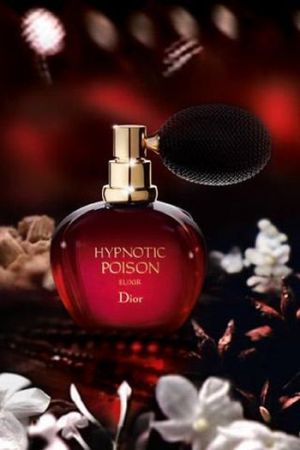
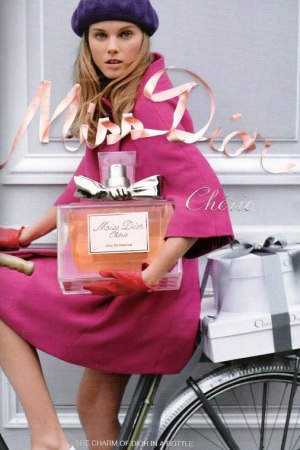
hypnotic-poisonmiss-dior-cherie

The first flankers appeared in the 1970’s. Nina Ricci Signoricci 2, created in 1975, was a flanker to Signoricci from 1966. Other flankers from this decade include Royal Copenhagen Musk (1976) and Norell II (1979). Today, nearly 1 in 5 new launches is a flanker – according to Michael Edwards’s Fragrances of the World, in 2012, out of 1,392 total perfumes launches, 252 were flankers (18%).

Continue reading →

“Don’t Crush The Molecules” : How to Test Perfume

“Don’t crush the molecules!” I turned around, a bottle of perfume in hand, to discover a sales associate approaching me with a look of mild panic. My crime was that I sprayed too much perfume on my wrist and tried to transfer the excess to another arm. “You’re about to crush molecules,” she repeated for emphasis, leaving me to imagine dramatic visions of aldehydes and ionones bursting like overripe grapes on my skin.

two magi

Out of all the nonsensical things I hear at the perfume counter, “don’t crush the molecules” (or its variant “don’t crush the scent”) tops the list of my all time favorites. I never argue with the sales associates, but I once inquired where they’re taught such a concept. What do the perfume sales associates know that still eludes modern science? One counter manager admitted that she heard more senior personnel say it and repeated it herself. Another recalled hearing this molecule business in a perfume training class (in my opinion, she deserves a refund).

Continue reading →

As Seen On

Design by cre8d
© Copyright 2005-2026 Bois de Jasmin. All rights reserved. Privacy Policy