Ukraine: 66 posts

How a French Perfume Company Influenced Ukrainian Embroideries

One of the most quintessentially Ukrainian embroideries is called rushnyk (pl, rushnyky), richly decorated hand towels that accompany a person from birth to death. In two videos that I recorded, I would like to show you rushnyky embroidered by my great-great grandmother. I discovered them by accident when I was cleaning out our shed and spotted a large chest hidden under old rugs. The drawers were jammed, but I persevered and opened them only to discover decaying paper and mouse droppings. I rummaged in it–no, I’m not even one bit squeamish–and I found the embroideries. I cleaned and restored them and it’s a pleasure to share them with you.

My great-great grandmother Pasha wove the cloth on a hand-loom, and she then decorated it. These embroideries are at least 70 years old, and yet they are remarkably resilient.

Continue reading →

Asya’s Secret

Happy Nowruz! Happy Persian New Year! Happy Spring! Two days ago I recorded a short film for my Instagram stories about something I learned from my great-grandmother, Asya, but some of you asked me to put it into text format to be able to re-read it. Since Asya’s message is inspiring and uplifting, I thought that today would be ideal for sharing it here. You can watch the film in my Instagram highlights.

My great-grandmother Asya was born in 1915. She was a beautiful woman, with wavy dark hair, almond-shaped eyes and a Rubenesque figure. A rose-scented red lipstick was always in her purse as was a bottle of perfume. I don’t recall her using them, but she loved these items as she did her carved tortoise combs and lace collars. She was the most vivacious person I knew, always ready to crack a joke or make light of things. That trait of hers might have served her well, because being born in 1915, she lived through the dawn and dusk of the Soviet Union, with the Bolshevik Revolution, several famines and two wars in between.

Continue reading →

Postcard from Ukraine : Kalyna Berries

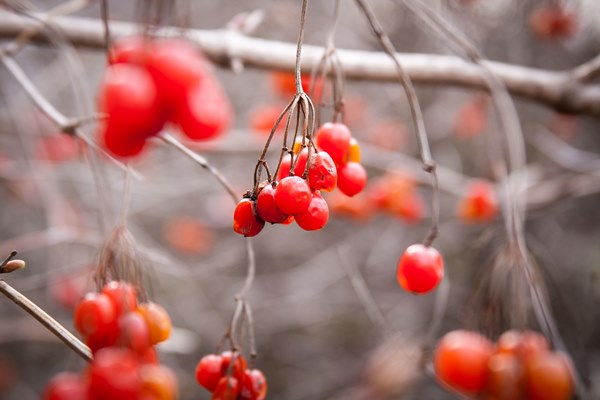
Guelder rose berries, called kalyna in Ukrainian, taste like cranberries and have a bitter-sour scent reminiscent of almonds and lingonberries. After the frost hits them, they lose their tannic pungency and become sweeter. They’re known to be a panacea for colds and sore throats, but we leave ours for the birds. The truth is that we prefer their red glimmer among the bare branches. No other sight is more quintessentially Ukrainian. No other plant has richer symbolic meaning.

In Ukrainian folklore, kalyna represents female beauty–the effervescence of youth with its delicate white flowers and mature sensuality with its red berries. Red stands for passion, and so the crimson hue of the berries represents love. If you look closer at Ukrainian embroideries, you can see kalyna berries and flowers telling their story of life coming a full circle.

Continue reading →

Postcard from Ukraine : Lavra and Cornflowers

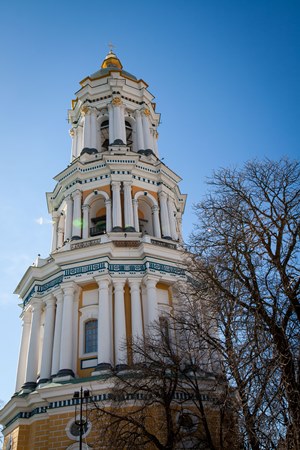
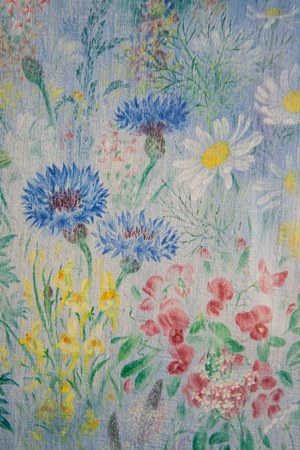
One of my first rituals on returning to Kyiv is to visit the Kyivo-Pecherska Lavra, the 11th century Monastery of the Caves, to see the painting of Ukrainian artist Kateryna Bilokur (1900-1961) in The Museum of Ukrainian Decorative Folk Art. At a time when the only acceptable art style was socialist realist, her paintings of flowers were subversive. She was refused admittance to art school or even a transfer out of her village, although her paintings were exhibited abroad as a showcase for the success of Communism–“see, even our peasants can create art.” Pablo Picasso once said of her work, “If we had an artist of this level of skill, we would make the whole world talking about her!”

Those of you who shall be joining me on the Ukrainian Scent and Taste Adventure this year will be discovering more about Ukrainian art as part of the trip. And those who are planning a trip to Kyiv shouldn’t miss a visit to the Lavra complex. I recommend setting aside a whole day for it, because besides The Museum of Ukrainian Decorative Folk Art and the stunning churches (each with different wall paintings), you can descend into the caves bearing the remnants of the saints who came to this hill above the Dnieper River as early as 1057.

Continue reading →

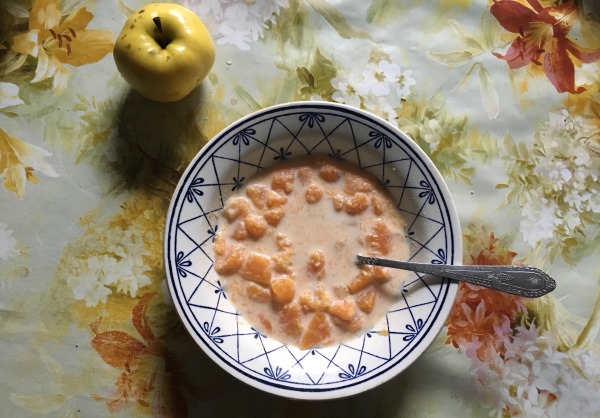
Pumpkin Rice Pudding with a Millet Variation

The fall market in Ukraine is all about pumpkins–the delicate yellow squashes that resemble melons, orange rounds large enough to become Cinderella’s coach, elongated butternuts, green pebbly varieties with white flesh, and so much more. In the customary fashion of a Ukrainian market, the sellers offer small pieces of pumpkin to prove that theirs is the sweetest, the ripest and the most fragrant.

Sampling pumpkins at the market in Poltava, I realized that many varieties taste of violets. This floral-fruity note makes pumpkin an interesting ingredient in sweet and savory dishes. I like to roast pumpkin cubes tossed with garlic, chili and cumin as well as coated in honey and sprinkled with walnuts. I make minestrone with beans and bacon–or use pumpkin in delicate pureed soups with pears and cardamom. Its flavor is subtle, but it’s surprisingly assertive.

Continue reading →

As Seen On

Design by cre8d
© Copyright 2005-2026 Bois de Jasmin. All rights reserved. Privacy Policy