Victoria: 2668 posts

The Best Oud-Based Perfumes

Oud, or agarwood, is the biggest perfumery trend of the past ten years, and while it might occasionally show signs of flagging, it won’t disappear anytime soon. While we have seen many excellent fragrances based on the note derived from the resin of the Aquilaria tree species, uninspiring, bland compositions have been just as common. In my latest FT magazine column, The Best Oud-Based Perfumes, I explain what makes oud as a perfume note and a traditional Middle Eastern ingredient so important. Then, I describe several oud-based fragrances that I consider gold standards. Since oud is a material that comes from an endangered plant species, I also talk about the ethical issues we have to keep in mind as we seek out oud perfumes.
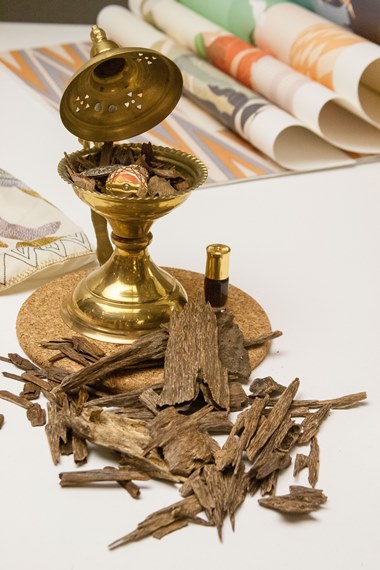
“Oud is a paradox. The exquisite aroma that set the imagination of Japanese poets and Sufi mystics aflame develops as a result of a disease. When healthy, the wood of the Aquilaria tree species is odourless, but once a certain type of mould affects them, they release an aromatic essence to protect their tissues from decomposition. It’s a slow process, during which blond wood turns dark and hard as a stone and develops a fragrance of uncommon complexity. It has the notes of sweet tobacco, incense, leather and smoked spices, with a lingering undercurrent of bitter honey and crushed mint. While it’s known by many names, including aloeswood, agarwood, gaharu, or jinko, its other name, dark gold, will be instantly recognisable to oud lovers. To continue reading, please click here.”

What are your favorite oud fragrances?

Photography by Bois de Jasmin, oud chips and essence.
Recommend Me a Perfume : November 2017

Our “Recommend Me a Perfume” thread is now open. You can use this space to share your discoveries and favorite scents, to ask any questions about perfume and to solicit fragrance recommendations.

How does it work: 1. Please post your requests or questions as comments here. You can also use this space to ask any fragrance related questions. To receive recommendations that are better tailored to your tastes, you can include details on what you like and don’t like, your signature perfumes, and your budget. And please let us know what you end up sampling. 2. Then please check the thread to see if there are other requests you can answer. Your responses are really valuable for navigating the big and sometimes confusing world of perfume, so let’s help each other!

To make this thread easier to read, when you reply to someone, please click on the blue “reply” link under their comment.

Photography by Bois de Jasmin

Rose, Jasmine, Osmanthus : The Pleasures of Floral Teas

Some of the most interesting combinations involve tea and flowers. Scent science explains why such pairings have become classics – tea leaves and blossoms such as gardenia, violet, rose or osmanthus have a number of fragrant compounds in common. When blended, the complementary aromas create affinities that enrich the taste of tea as well as its fragrance. In my latest FT column, Discovering The World’s Finest Floral Teas, I explain what makes flower notes pair so well with tea and share my favorites.

You can read the full article by clicking here. I also welcome you to take a look at the Bois de Jasmin tea archives, because we have quite a selection of posts on making tea, enjoying seasonal variations, taking it with roses, jasmine, roasted rice, or even experimenting with Estonian and Thai blue teas. If you’re after a tea-based perfume, here is my list, Best Tea Perfumes in 10 Different Styles.


As always, I’d love to know about your favorite teas, floral and otherwise.

Photography by Bois de Jasmin, Ti Kuan Yin tea with a few drops of rosewater. Ordinarily, I don’t tweak Ti Kuan Yin teas at all, because they’re perfect as they are, but this combination turned to be so bright and complex that I’m going to enjoy it from time to time.

5 New Perfumes for Fall : Reviews

I’ve been making lists of fall fragrances ever since the end of summer when the new launches started appearing. So, I decided to narrow down my selection to a few perfumes I enjoyed and wore. In this installment, I will talk about 5 such fragrances. They weren’t picked to be traditionally seasonal, and they range from citrus colognes to floral orientals. With the possible exception of Twilly, they’re for both men and women.

Twilly d’Hermès

Twilly d’Hermès is one of my favorite launches this year. The fragrance was inspired by Hermès’s narrow scarves, and if the house aimed for a blend as versatile as its famous accessory, then it more than succeeded. More than that, it also demonstrated that it’s possible to create a lighthearted, pleasing perfume that still smells clever, memorable and plush. The core of the fragrance is composed of ginger, tuberose and sandalwood, notes that together create a colorful, exuberant effect. The floral accord of Twilly is abstract and luminous, but it has a creamy sweetness that’s the trademark of white flowers like tuberose. Like most of Christine Nagel’s perfumes, it blossoms on skin and has a seductive, coquettish flair.

Continue reading →

Learn About Perfume and Wine in Burgundy : April 2018

The overview of our 2018 class and the description of our activities can be found here, Scents of the Burgundian Spring.

I have some news for you. I’m going to teach a new perfumery course in France next spring (April 18-21, 2018). Since it will take place in Burgundy, a region renowned for its wine, the three day course will reflect that. We will learn together about the aromatics used in perfumery and found in wine, practice sharpening our sense of smell and learn to take apart accords and recognize notes. We will also have an overview of perfume history in the form of some of the most iconic fragrances. At the same time, I will show you lost masterpieces, less well-known but equally fascinating blends and teach you a number of professional techniques for smelling, remembering scents and describing them. And we will certainly be enjoying plenty of good wine.

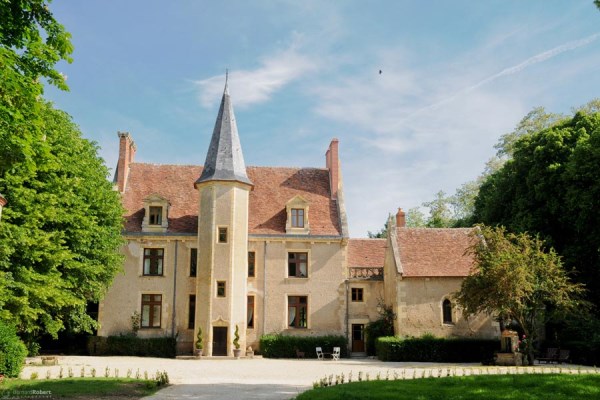
The course will be held in Château Le Sallay in Magny-Cours. It’s a Renaissance-era building, once the residence of the Counts of Nevers, that’s been restored as a 4 star hotel surrounded by a large park. It’s easily reached from Paris, and if you wanted to combine the course with a visit to the Loire Valley, it’s possible. 

Just like my previous two courses, this one is organized by Senses & Vacation. All of the details can be found via their website, The Art of Perfume. It also lists the program, accommodation details and much more.

The course program will be slightly different, but you can read about the course I taught in spring of 2017 here.

How to Book The Course: please go to The Art of Perfume website.

1st image by Anna Kozlova via Senses & Vacation, 2nd via Wiki-images, some rights reserved.

As Seen On

Design by cre8d
© Copyright 2005-2026 Bois de Jasmin. All rights reserved. Privacy Policy