Victoria: 2669 posts

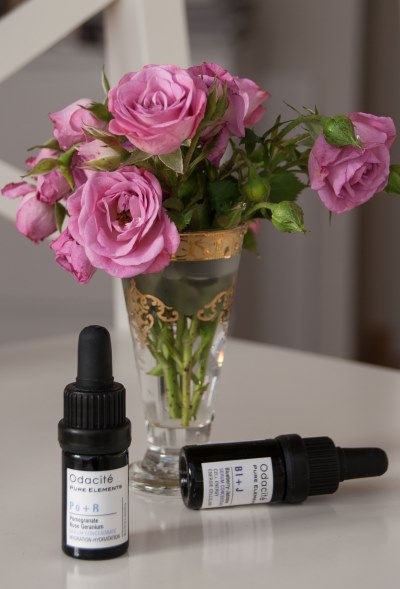
Odacite Jasmine Blueberry and Rose Pomegranate

Claims of something being all-natural and organic aren’t a selling point for me. Not only do I find the pseudo-science and scaremongering that often come as part of the organic bundle off-putting, I have enough familiarity with the beauty industry not to take any breathless promises seriously. It doesn’t mean that there aren’t wonderful brands out there who take their organic ethos seriously and provide excellent products. But organic or not, you still have to read the ingredient labels and take any claims with a grain of salt.
odacite1

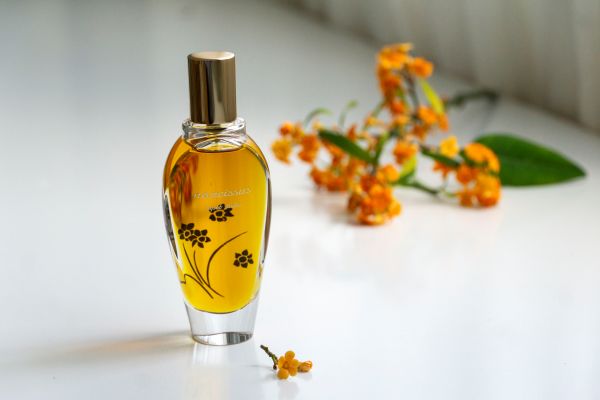
If I would have come across Odacité via its site that hypes the toxin-free, chemical-free aspect of the line, I might have skipped it. Luckily, I learned about it from a friend whose recommendations have never misled me. Odacité’s core comprises blends of oils, mostly exotic varieties such as blueberry seed, pomegranate, baobab or black cumin, and if you’re looking for a hydrating oil-based serum to add to your skincare, they’re a good choice.
Continue reading →

The Layered World of Anand Ram Mukhlis

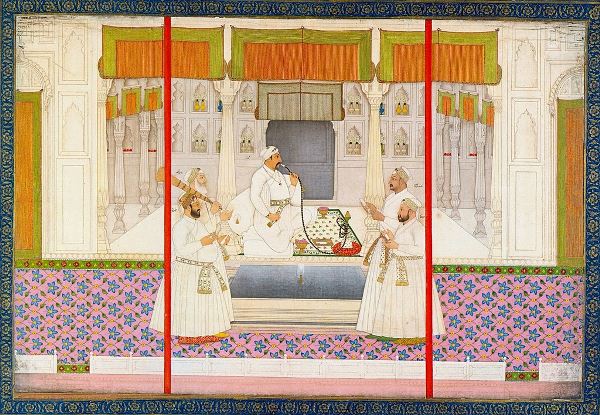
Bureaucracy rarely conjures positive associations in most people’s minds, and for someone who faces far too much of it, I may not seem like the kind of person who goes into raptures over bureaucrats. Yet, Anand Ram Mukhlis (1699-1750)* is an exception, and he is easily one of my favorite historical personages. Born into a Hindu family in the north of India, he practiced a trade that wouldn’t be out of place in Washington DC or Brussels. Like his grandfather and father, he was a personal representative at the Delhi imperial court for the prime minister and for the governor of  Lahore and Multan provinces. A lobbyist, if you will.

muhammad shah

Emperor Muhammad Shah with courtiers, ca. 1730

The most lasting achievement of Anand Ram Mukhlis was in his scholarly and creative work. He wrote poetry, chronicled contemporary events and compiled manuals on the proper use of Persian. His mastery of the language was such that the emperor Muhammad Shah himself requested his services as a letter writer when he wanted to communicate with the Safavid court in Iran. One of the images I used to illustrate this article is a copy of Mukhlis’s advice on developing one’s writing style in Persian. It’s titled “Fairy House,” which gives you a clue as to the ornate stylistic tools he proposed.

Continue reading →

The Art of a Perfect Flatbread : Chapati

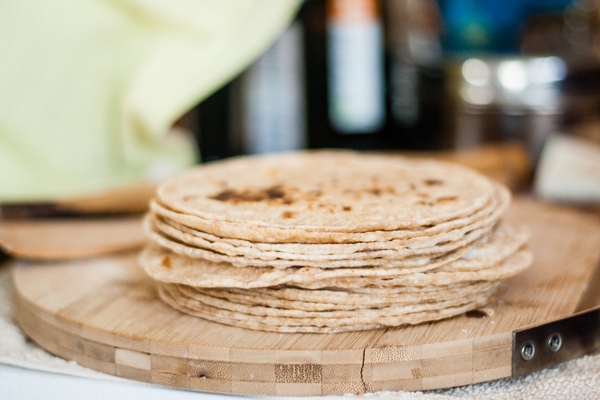
Chapati, also known as roti, is the most popular bread in India (in addition to Pakistan, Nepal, Bangladesh, Sri Lanka and other parts of Asia where Indians have set foot). Save for the southern states where rice is the main starch, flatbreads are the staple in other areas of India. Freshly off the pan, chapati is one of the most delicious things you can eat, and all of my Indian culinary highlights include it in one form or another. Although I don’t cook Indian food daily, chapati is a frequent presence on our dinner table. Made with whole wheat flour, water and a tiny bit of oil, it’s versatile enough for a variety of accompaniments, from prosciutto and mozzarella to avocado and shrimp salad. It’s also perfect on its own with a dab of salted butter.

chapati-stack

Watching my mother-in-law turning out chapatis with lightning speed, I decided to record the process for a masterclass. You’ll find two short videos below. My mother-in-law is quite modest about her talents, but she’s one of the most accomplished cooks I’ve met, with an innate feeling for flavors and interesting combinations. (I know that some of you have made the cc powder already–that’s another one of her lessons.) You need to turn out hundreds of chapatis before yours will look as perfect as hers, but it doesn’t matter. Even if your chapati is closer in shape to the outline of India than a circle, it will still taste just as good.

Continue reading →

Cauliflower with Saffron and Coriander

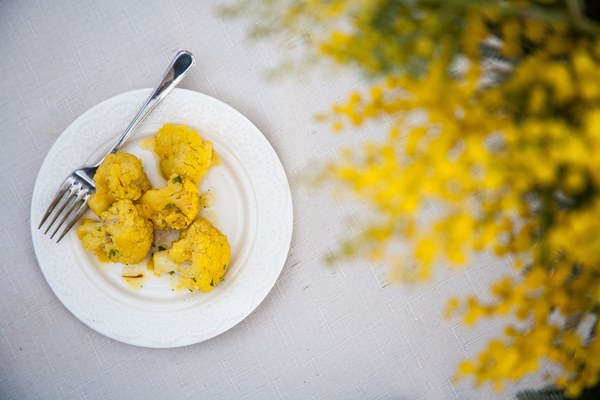
Saffron has the reputation of a luxurious spice. Use it in tiny quantities for the most delicate of preparations like custards and seafood bisques, advises many a cookbook. Certainly, unless you live in saffron producing areas like Iran, Turkey or Kashmir, you’ll pay more for saffron than other spices in your collection, but its flavor is so dramatic that it’s worth a splurge. What I don’t agree with is using saffron only in special occasion dishes. Life is too short for that.



cauliflower-saffron1

Saffron has a medicinal-leathery scent, with a hint of apricot and floral notes. Its fragrance will entice on its own, but it’s bold enough to stand up next to strong flavors. Today’s recipe is a good example. It’s a cold cauliflower dish, and it’s a good vehicle for saffron. The combination of coriander, saffron and white wine is the right blend of spice and acidity, and it gives cauliflower elegance that one doesn’t usually expect from cruciferous vegetables.

Continue reading →

The Scent of Rhubarb

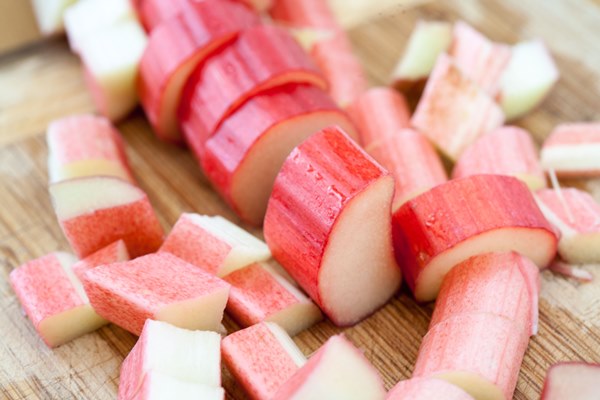
It’s hard to imagine a note trendier than rhubarb. Pick up any pink tinted bottle and a sales associate will recite a litany of notes which is bound to include rhubarb (along with red berries and pink pepper). But rhubarb’s popularity is justified because it can be made tart or sweet, coquettish or edgy. For me, familiarity with this material doesn’t breed contempt. On the contrary, the more I explore it, the more I become infatuated. To reveal different facets of rhubarb, I take it as a topic of my FT column, Perfumes with a Rhubarb Shimmer. I explain that materials with rhubarb inflections also have a classical pedigree and I recommend savory fruity perfumes for both men and women.

rhubarb slices

Updated link to the article: Rhubarb and Roses in Food and Perfume.

Photography by Bois de Jasmin

As Seen On

Design by cre8d
© Copyright 2005-2026 Bois de Jasmin. All rights reserved. Privacy Policy