Food & Fragrance: 176 posts

Articles about the gourmand pleasures, flavorful cooking, scent and taste experiments and tested recipe ideas

Tea Primer Part 2 : Green, White and Herbal Teas

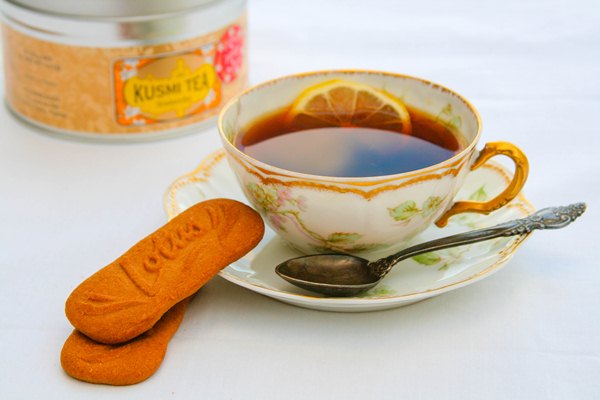
In Part 1 of Tea Primer, I discussed black and oolong teas, which are both well known for their typically robust, rich flavors. In comparison, green and white teas, the topic of today’s post, shed all suggestions of darkness, showcasing lightness and freshness. The reason for this marked difference is that black and oolong tea leaves are given a chance to oxidize (basically, to wilt and turn brown) during processing, whereas green and white teas are not. As a result, while black and oolong teas are the equivalent to earthy vetiver and patchouli in perfumery, green and white teas call to mind the vibrancy of violet leaf and citrus. The difference is very marked, which is part of the reason why it never ceases to amaze me that so many diverse teas can come from the same Camellia sinensis plant.
Part 1 : Black and Oolong Teas

Part 3 : Tea Brewing Basics

Part 4 : How to Brew a Perfect Cup of Tea

Part 5 : A Guide to Buying Quality Tea

Green Tea

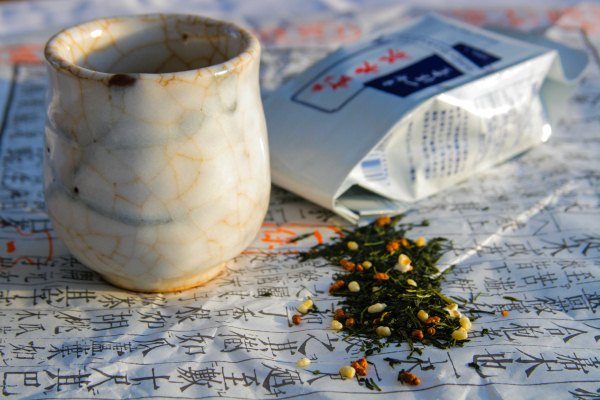
Though green teas have gained popularity in the West only in recent decades, both the Chinese and Japanese have been producing these teas for thousands of years. With such a long history, today’s methods for producing green tea are, understandably, highly variable, differing from region to region. It is most common for the freshly picked tea leaves to be quickly steamed (so as to allow no time to wither or oxidize) and then rolled or pressed in a hot pan before being dried.  Because the leaves are not given any time to wilt or oxidize before steaming, green tea leaves retain their green color, as well as many of their antioxidants.
Continue reading →

Tea Primer Part 1 : Black and Oolong Teas

If you are a fragrance  enthusiast, even a brief introduction to tea will reveal that the line between fragrance and tea is a fine one.  The enjoyment of tea begins before you even take a sip. As you inhale the aromas rising above a steaming cup, you can imagine the taste: smoky, leafy, fruity, leathery or even floral. When I recently wrote about white teas, many of you mentioned in the comments that you were interested in learning more about tea, but weren’t sure where to start. Today I’m happy to present the first installment in a series of articles about tea. In this tea primer, I’ll detail types of tea, selecting and brewing tea, and other information about enjoying tea to its fullest. For all of those who are seasoned tea enthusiasts, I hope to offer some new insights and to learn from all that you have to share.

Part 2 : Green, White and Herbal Teas

Part 3 : Tea Brewing Basics

Part 4 : How to Brew a Perfect Cup of Tea

Part 5 : A Guide to Buying Quality Tea

Tea is the second most-consumed beverage in the world after water–it’s simple to make, and the taste is refreshing. Tea originated in China over 4,000 years ago, and today it is easier than ever to find high quality tea from around the world. There are various types of tea, but all share a common origin, coming from the same plant, Camellia sinensis. Where the Camellia sinensis leaves are grown and how they are processed determines the differences between the various types of tea produced from this plant. I will start by describing the scent and taste differences between different teas by focusing on the dark and rich varieties–black and oolong.


Continue reading →

Hot and Spicy Cranberry Sauce

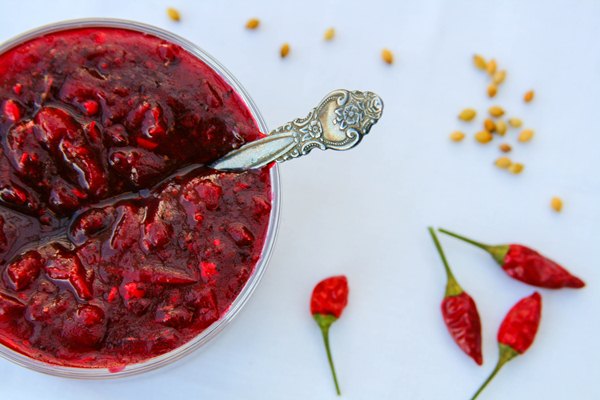
Thanksgiving is when I miss the US the most. While life in Belgium goes on as usual, my friends and family back home are buying sweet potatoes, roasting turkeys and preparing for a long weekend of indulgence. Our oven here is so small that it wouldn’t even fit a turkey. Come to think of it, I haven’t even seen a whole turkey in stores. Cranberries, on the other hand, start showing up around the beginning of October. They are usually imported from North America, and the selection ranges from organic and handpicked (and priced accordingly) to the conventional Ocean Spray brand.

I love cranberries so much that I buy several bags at once and freeze whatever I can’t immediately use. Their exuberant tartness and hint of bitterness make them an interesting component in tarts, jams and sauces. My grandmother’s pickled cabbage is liberally studded with these shiny red berries– after pickling they become even more mouthpuckeringly tart but also quite addictive. She even uses them in desserts to make a whipped semolina and cranberry porridge that feels like a light mousse and is a relative of the Finnish dish called vispipuuro.

Continue reading →

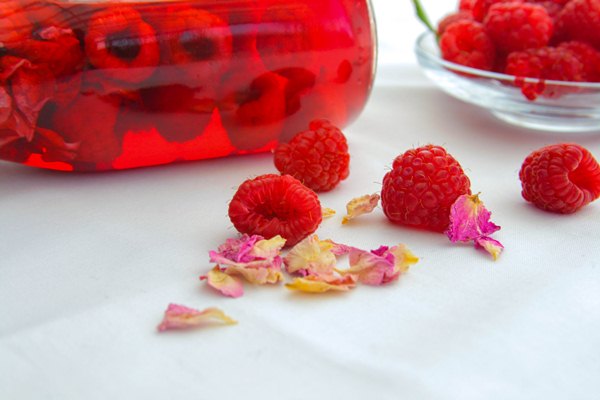
Rose Petal and Raspberry Infused Vinegar

It wouldn’t be an overstatement to say that I have just as much fun with my spice cabinet as with my perfume collection. Whenever I catch the aromas of cardamom, vanilla, saffron and allspice that escape from the little jars, I feel as much exhilaration as  I do from my Serge Lutens and Guerlains. So, I indulge both passions. I love making cardamom flavored coffee for the rich perfume of spicy lemon the green pods give off when I pound them in a mortar. Adding vanilla extract to my morning yogurt, I can’t help sneaking a dab on my wrist as well so that I can enjoy its sweet, creamy perfume during my commute. It’s satisfying, uplifting and inspiring.

One of the ways to link cooking and perfumery is to make your own spice mixtures or infused vinegars. The expensive vinegars at Dean & Deluca and other gourmet stores no longer tempt me, because I know that they can  be prepared easily and customized to my own liking. Having a couple of bottles of aromatic vinegars in my pantry makes it easy to create variety in our daily meals and experiment with flavors. I look forward to the bitter orange season to make a bitter orange and tarragon vinegar, and I am already anticipating next summer to try a mirabelle plum and star anise version. Today I would like to share my favorite combination for an infused vinegar–rose and raspberry.

Continue reading →

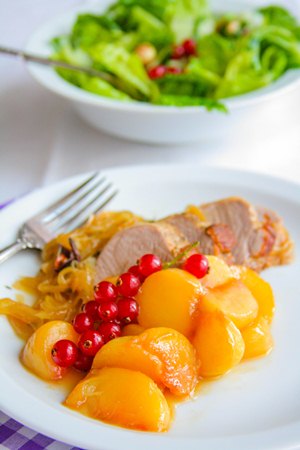
Autumn in Brussels : Pork Loin with Peaches and Thyme

Autumn here in Belgium begins overnight. After the short interlude of an Indian summer, you wake up to an overcast, gray day and feel that the clouds are only a few inches above your head. The roses might still be in full bloom, the daytime temperature is still comfortable, but you already know that the rainy season is here. It’s telling that in the old Bruxellois dialect, there are numerous words for rain. It can be a delicate mist that looks innocuous but soaks you to the bone within minutes. It can be a lashing, cold rain that makes umbrellas obsolete, or it might just be a nagging drizzle that makes me feel sad for no particular reason and ponder the wisdom of bears that go into hibernation for the winter.

Since the winter here is nine months long, hibernation isn’t really an option. I’ve learned to do all of my chores on foot and shop at the open air markets which are run year round in each neighborhood, rain or shine. Brussels is made up of 19 communes, and if you love markets, you can explore different areas of the city based on your specific shopping needs. On Saturday, you can pour over the antique books at the market held at the Place du Sablon. On Sunday, you can buy spices and vegetables at the sprawling le Marché du Midi or walk along Rue de Brabant and feel as if you’re in Morocco. While les grandes surfaces (supermarkets) offer stiff competition, the vibrancy of the open air markets even on the dreariest of days is appealing.

Continue reading →

As Seen On

Design by cre8d
© Copyright 2005-2026 Bois de Jasmin. All rights reserved. Privacy Policy