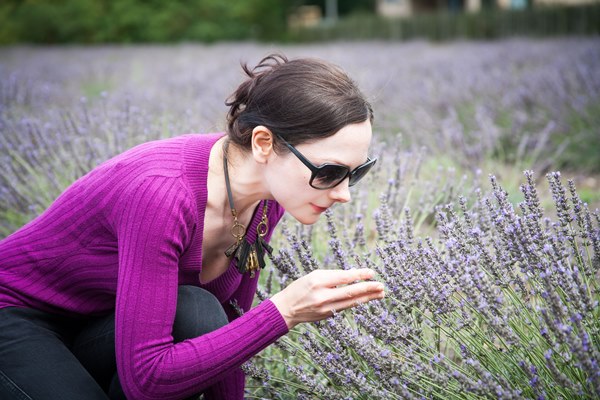
Travel to Bulgaria’s Lavender Fields with Me: June 26-30, 2023

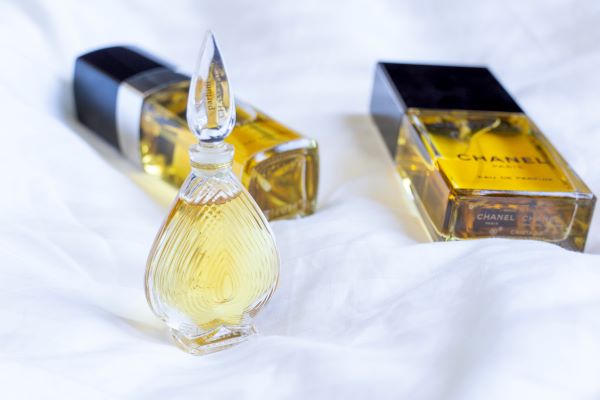
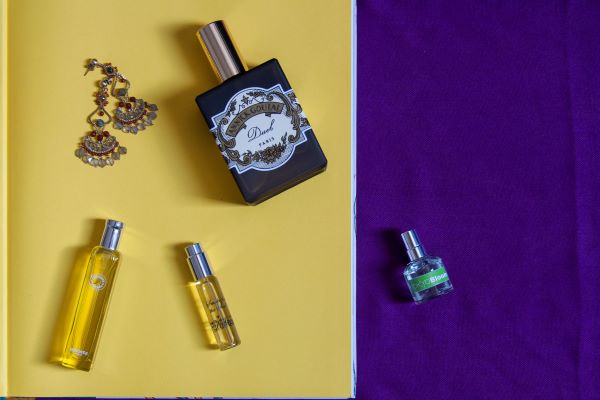
Perfumes that put me in a summer mood, all year round

Beautiful fragrances can lift your mood. Over the past few months I have been wearing my most opulent perfumes without being concerned that they might become associated with a dark period in my life. I needed colors, texture, and vibrancy, and my beloved classics satisfied me. Complex fragrances have the benefit of being multifaceted, so that each time you wear them, you discover a new layer or create your own story to match the mood. Perfume may be a dispensable luxury, but like all beautiful things, it serves to elicit positive emotions and boost the spirits.

For my summer-themed selection, I’ve settled on a list of five masterpieces. These are the perfume equivalents of novels by Tolstoy and George Eliot because of their layers, nuances, and twists. Some are elegant colognes; others are lush florals and bittersweet chypres (mossy-woody blends.) The list is personal, but I think that you will agree that these are among the classical perfumes to try. Some of them might be ideal as an introduction to classics.
These days I look at the weather forecast with a sense of dread as we are in the middle of another heatwave. I like the indolence of summer and the long sun-filled days, but I don’t enjoy the oppressive heat and humidity. My primary methods to make these days tolerable include copious amounts of mugicha, a traditional Japanese summer drink made of roasted barley, and a selection of light, effervescent perfumes.

The natural choice for summer is citrus, but your selection need not be limited to simple colognes. Modern floral and green notes offer a refreshing effect, without the sharpness of citrus. Look for compositions that are accented with woods, rather than vanilla or musk, as the sheer blond wood finish contrasts beautifully with the brightness of fresh notes.
How to amplify the freshness of a fragrance? Follow the good old advice of leaving your scent in the fridge but beware that drastic temperature changes can affect perfume negatively, and for this reason I recommend making a decant of your favorite summer fragrance. A spritz of cool liquid is the ultimate refreshment. If you would like an even more intense cooling experience, select a mint fragrance like Aqua Allegoria Menta Fresca or Herba Fresca. Menthol triggers cold-sensitive receptors and plays tricks on our brain. When the mercury levels are soaring, such an effect is welcome.

It’s almost the middle of July, and the pace with which summer is unfolding leaves me overwhelmed. I want to stop the moment and enjoy the late spring reminders that still linger despite the relentless winding down towards fall. The lindens around my house have finished blooming, but they still smell of incense and wilted jasmine. Along the sidewalks, lavender is filling the area with the summertime scent of Provence. Elsewhere, I already see asters and chrysanthemums, the first harbingers of autumn. Sometimes I forget what season it is.


This summer has been about searching for an equilibrium and balance. Even as time is flying quicker than I want, I’m still managing to carve out moments of stillness. Here are a few tips for those who are likewise struggling to get their bearings this summer.
A few years ago I met a woman who talked about her fiendishly complex emigration from Russia to Israel in the ’80s and how instead of Jerusalem she ended up living for a year in Ajaccio, the capital of Corsica. I asked what Corsica was like, my own mental image comprised mostly of Napoleon, the French Foreign Legion, and Laetitia Casta. She reflected for a moment and then said that it smelled heavenly. She meant the smell of the maquis. Since then I’ve been obsessed with the maquis, or as it’s known in Corsican, machja.

In Corsica, the maquis is ever-present–this wild scrubland vegetation covers nearly 20% of the island. Even when you don’t see it, it fleets before you in bits of folklore and stories. For instance, the guerilla fighters of the French Resistance in World War II were called maquisards, from the maquis (pronounced in French as [maˈki]) that reach up to 10 feet and make for an ideal hiding place. The maquis provides food, medicine, and lore. The scrubland starts at the sea coast–le maquis bas, climbs higher–le maquis moyen, and clings to the mountains–le maquis haut. These low, middle, and high maquis are woven of more than 2,500 varieties of wild plants, and their aromas build up slowly like a pyramid of a perfectly constructed perfume.