The Art of a Perfect Flatbread : Chapati

Chapati, also known as roti, is the most popular bread in India (in addition to Pakistan, Nepal, Bangladesh, Sri Lanka and other parts of Asia where Indians have set foot). Save for the southern states where rice is the main starch, flatbreads are the staple in other areas of India. Freshly off the pan, chapati is one of the most delicious things you can eat, and all of my Indian culinary highlights include it in one form or another. Although I don’t cook Indian food daily, chapati is a frequent presence on our dinner table. Made with whole wheat flour, water and a tiny bit of oil, it’s versatile enough for a variety of accompaniments, from prosciutto and mozzarella to avocado and shrimp salad. It’s also perfect on its own with a dab of salted butter.
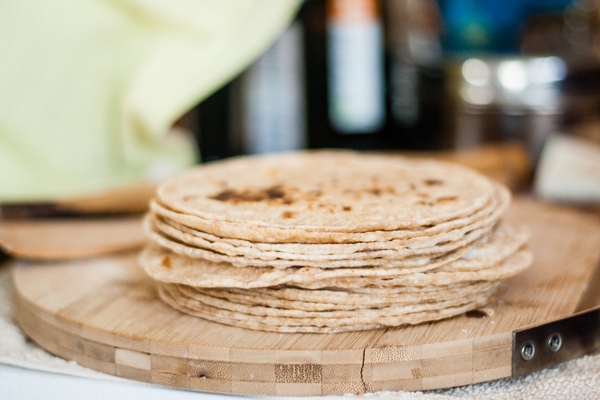
chapati-stack

Watching my mother-in-law turning out chapatis with lightning speed, I decided to record the process for a masterclass. You’ll find two short videos below. My mother-in-law is quite modest about her talents, but she’s one of the most accomplished cooks I’ve met, with an innate feeling for flavors and interesting combinations. (I know that some of you have made the cc powder already–that’s another one of her lessons.) You need to turn out hundreds of chapatis before yours will look as perfect as hers, but it doesn’t matter. Even if your chapati is closer in shape to the outline of India than a circle, it will still taste just as good.
Continue reading →

Geranium Notes: The Other Rose of Perfume

What do Elizabeth Bennett and geranium share in common? Elisa explains.

I’ve never heard anyone call geranium their favorite flower. Compared to the more photogenic blooms found in bouquets and floral arrangements, geranium might seem like a workaday houseplant.

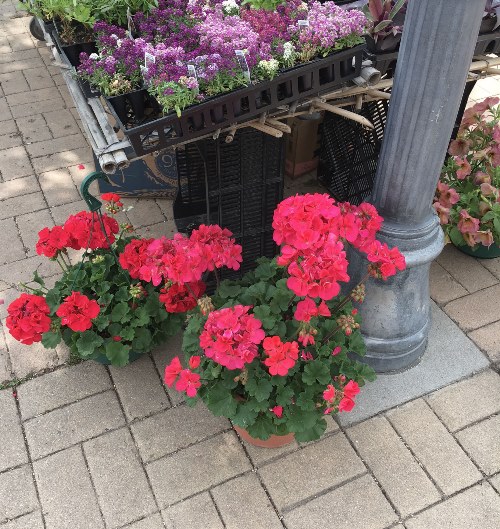
IMG_3055 (1)

Cheery sidewalk geraniums

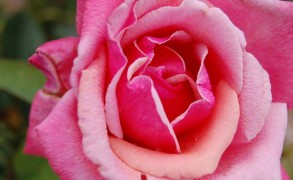
If rose and geranium were sisters in a Jane Austen novel, rose would be known as the pretty one and geranium as the sensible one. But geranium, like Elizabeth Bennett, has her own beauty, and is indispensable in rose fragrances!

When we refer to geranium notes, we’re usually talking about the oil of the pelargonium graveolens, also known as the rose geranium. Rose geranium oil contains over 50 organic compounds, but primarily consists of geraniol, nerol, and citronellol. Nerol, so named because it was originally isolated from neroli oil, has a fresh rosy scent and can be found in lemongrass and hops. Citronellol is the familiar pungent citrus smell often found in insect repellants – but it’s also important for creating realistic rose accords. Geraniol, one of the primary components in rose oil, smells – you guessed it – rosy and is also commonly used in fruit flavorings. (I’ve noticed that adding clove to a fruity rose can conjure up a raspberry note.)

Continue reading →

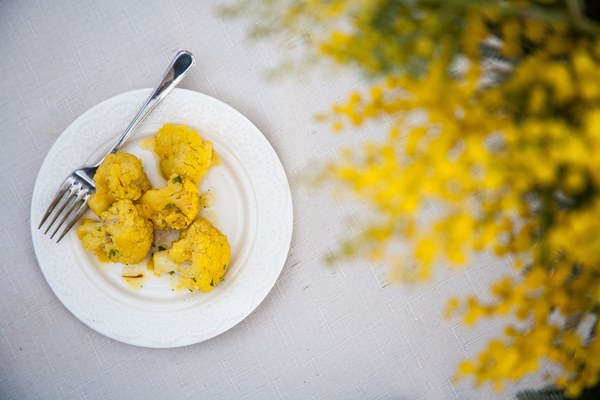
Cauliflower with Saffron and Coriander

Saffron has the reputation of a luxurious spice. Use it in tiny quantities for the most delicate of preparations like custards and seafood bisques, advises many a cookbook. Certainly, unless you live in saffron producing areas like Iran, Turkey or Kashmir, you’ll pay more for saffron than other spices in your collection, but its flavor is so dramatic that it’s worth a splurge. What I don’t agree with is using saffron only in special occasion dishes. Life is too short for that.

cauliflower-saffron1

Saffron has a medicinal-leathery scent, with a hint of apricot and floral notes. Its fragrance will entice on its own, but it’s bold enough to stand up next to strong flavors. Today’s recipe is a good example. It’s a cold cauliflower dish, and it’s a good vehicle for saffron. The combination of coriander, saffron and white wine is the right blend of spice and acidity, and it gives cauliflower elegance that one doesn’t usually expect from cruciferous vegetables.

Continue reading →

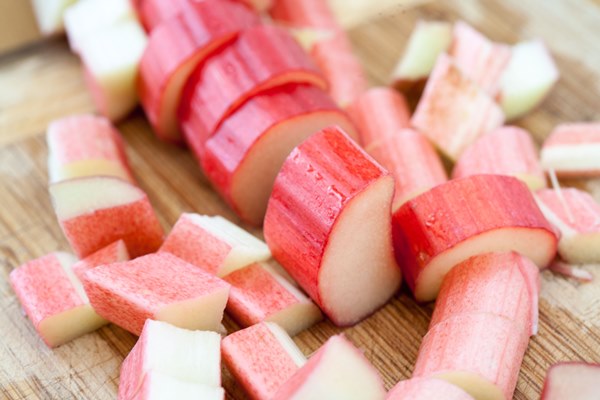
The Scent of Rhubarb

It’s hard to imagine a note trendier than rhubarb. Pick up any pink tinted bottle and a sales associate will recite a litany of notes which is bound to include rhubarb (along with red berries and pink pepper). But rhubarb’s popularity is justified because it can be made tart or sweet, coquettish or edgy. For me, familiarity with this material doesn’t breed contempt. On the contrary, the more I explore it, the more I become infatuated. To reveal different facets of rhubarb, I take it as a topic of my FT column, Perfumes with a Rhubarb Shimmer. I explain that materials with rhubarb inflections also have a classical pedigree and I recommend savory fruity perfumes for both men and women.


rhubarb slices

Updated link to the article: Rhubarb and Roses in Food and Perfume.

Photography by Bois de Jasmin

Portable Perfumes for Summer Adventures

Whatever your destination this summer, Patricia shares her selection of travel sprays and rollerballs.

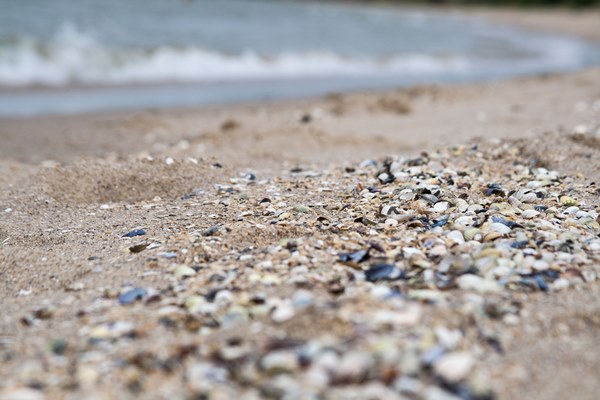
Summer is a time I like to take things down a notch, kick my shoes off, and wiggle my toes in the sand. Food becomes simple salads, boiled shucked corn, and barbecued meat and veggies; clothes are less restrictive and in lighter fabrics and colors; and summer hours are the norm at many workplaces.

sea

Serious perfume also takes a backseat in the warmer months, as my nose and my brain crave a respite from anything too complicated or fussy. What suits in February becomes too much in July. Because of recent problems of evaporation and separation in many of my homemade decants, I’ve increasingly turned to travel sizes and rollerballs offered by the manufacturers. Small and generally well priced, the following are what I’ll be popping into my beach bag this summer.

Continue reading →

As Seen On

Design by cre8d
© Copyright 2005-2026 Bois de Jasmin. All rights reserved. Privacy Policy