Perfume 101: 517 posts

Here you can find how to guides to selecting, testing and enjoying scents. Also includes are the lists of our top favorite perfumes for different occasions and articles covering all range of topics related to fragrance. If you’re curious to step inside a perfume lab (or even become an industry professional), this group of essays will be of interest.

Ukrainian Scent and Taste Adventure : June 2-9, 2020

CANCELLED DUE TO COVID-19

Our Ukrainian Scent and Taste Adventure tour is scheduled for June 2-9, 2020. I’m partnering with Nataliya Cummings of the Experience Ukraine, a boutique UK based tour operator. We’re taking reservations right now and there are still some places open. We would like to accommodate everyone, but we want to keep the group small. If you have any questions, please don’t hesitate to contact us. This tour will be a chance to learn about perfumery, discover the beautiful region of Transcarpathia, explore artisanal crafts, scents and food. The tour will include 8 days with a variety of workshops. We will travel from the capital city of Kyiv all the way west to the historical city of Lviv, and along our journey we will cook, eat, smell, have fun and discover Ukraine’s many treasures, from UNESCO heritage sites to smoked pears!

Safety: Ukraine is absolutely safe for travel. The tour will take place in the western part of Ukraine, 20km from the Romanian border. If you have any additional questions, please don’t hesitate to contact us.

Flights: we recommend flying in and out of Kyiv, unless you would like combine this trip with a visit to Poland, Czech Republic or Austria (Lviv offers easy connections to those countries). At the end of the tour, many of us will be taking a high speed train from Lviv to Kyiv, so you can travel with our group. Ukraine International Airlines offer many direct flights from the major US and European cities.

To book the tour: fill out the form on the the Experience Ukraine website. You can also see the full program on the Experience Ukraine website, while the detailed perfumery workshop descriptions are available  here.
Continue reading →

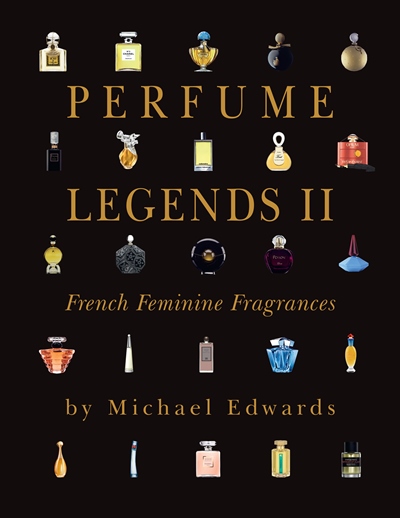
Michael Edwards’s Perfume Legends II

I’ve been waiting for Michael Edwards’s Perfume Legends II in the same way that Star Wars fans anticipate the new sequels. First published in 1996, Perfume Legends told stories behind more than 40 iconic fragrances. Edwards explained the inspiration behind the concept and the bottle and also left room for perfumers’ voices. Why did Edmond Roudnitska add an opulent plum note to Rochas Femme? How did Jacques Polge create the baroque effect of Chanel Coco? I read and re-read the book so much that my copy fell apart.

Edwards, however, wouldn’t rush the sequel. Respected in the industry for his Fragrances of the World database that assiduously tracks every new launch, he brought the same meticulousness to the Perfume Legends project. He decided to update the list, and so he spent several years researching information and interviewing perfumers, creative directors and designers. The industry can be frustratingly secretive, especially when it comes to explaining the perfume formula, but Edwards has never been daunted by such obstacles. The book reveals it all.

Continue reading →

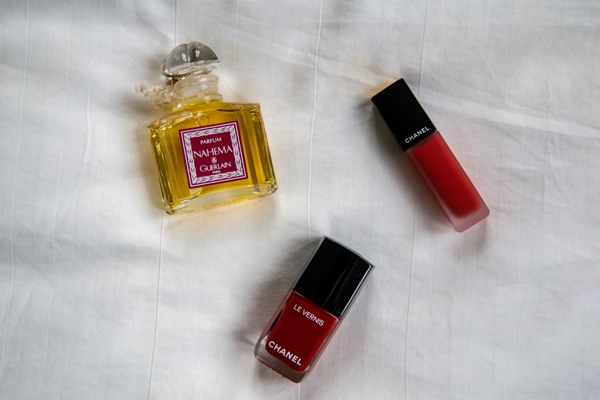
Red Color and Perfume: Chanel Rouge Allure Ink and Guerlain Nahema

Red always draws my attention–fabric, autumnal leaves, lipstick, the lacquer of Japanese bowls or perfume. Yes, perfume can also be red.

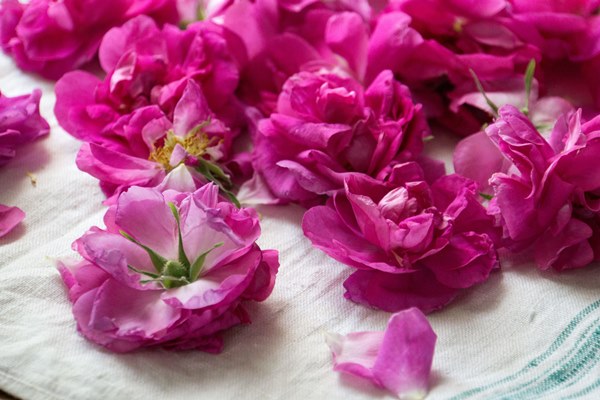
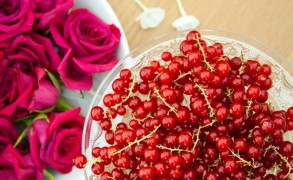
The impression of red in fragrance is subjective the way synesthesia tends to be, but Guerlain Nahema is a perfume that makes me feel as if I’m enveloped in layers of crimson silk. The effect comes from the combination of rose essence and the damascones, aroma-materials with the aroma of rose jam and stewed apples. This accord alone has a lipstick red hue, but paradoxically it comes across as even more saturated against the background of green citrus and hyacinth. Reds often stand out best against contrasting colors, and this is the case with Nahema.

Continue reading →

Perfume Class 2020 : Flowers and Herbs

The Bois de Jasmin perfume seminar 2020 “Ukrainian Scent and Taste Adventure” is going to be special. Why Ukraine? Given the country’s incredible biodiversity and rich soil, Ukraine is one of the largest producers of aromatics, such as lavender, coriander, fennel, dill seed, sage, hyssop, mint, artemisia, caraway, pine, and beeswax. During my perfumery training, I came to understand that knowing where the ingredients come from is both thrilling and important. So, I want to share with you the professional techniques I’ve acquired during my studies. I would like to sharpen your sense of smell and bring you to the source of aromatic essences. Ukraine has an old and established tradition of folk medicine, and we will have the chance to learn about plants from a botanist and herbal specialist on site. Finally, I want you to discover different cultural traditions, foods and sights. Ukraine is the perfect destination for that.

Since we will be visiting Ukraine from June 2-9, 2002, we’ll experience summer at its most gorgeous. Hence, the theme of our perfume seminar will be Flowers and Herbs. Please note that unlike my other seminars, this one covers 8 days. My partner for this seminar is Nataliya Cummings of Experience Ukraine, who has been running tours for the past decade. She will take good care of us.

Continue reading →

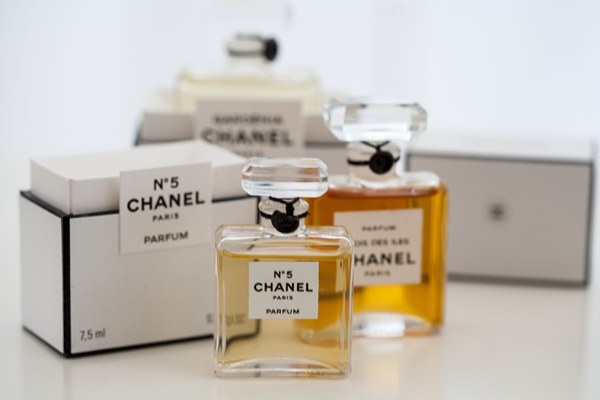
The Allure of Extrait de Parfum

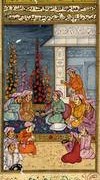
If you were a medieval caliph and desired a fragrance to delight your senses, your royal perfumers would have mixed Tibetan musk with an equal amount of Yemeni ambergris and steeped the mixture in ben tree oil over a weak fire. They would have stirred it with a gold spoon and used a silver vessel to refine it further until the liquid itself turned golden and smelled like paradise itself. If you were the wife of the caliph Harun al-Rashid, the one of One Thousand and One Nights fame, then you would have asked for a touch of jasmine oil to remind you of Persian gardens in bloom. According to the 14th century Egyptian scholar Al-Nuwayri, such were indeed the refined tastes of his time.

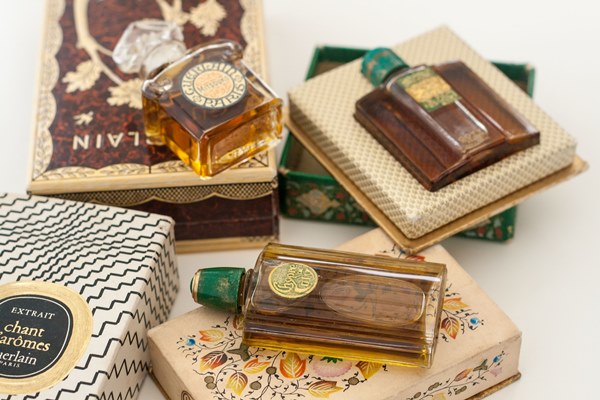
The luxurious, oil-based perfumes Al-Nuwayri describes in his book are the distant ancestors of the modern extrait de parfum. Today, the extrait de parfum is usually diluted in alcohol, but the proportion of fragrant oils in its formula is still sumptuously high. In my recent FT magazine column, The Allure of Extrait de Parfum, I describe what makes extrait de parfum different and why it still has a place in our perfume wardrobe.

As I’ve noted in my article about perfume concentrations, the proportion of oil alone doesn’t matter as much as the ingredients themselves. However, the parfum, along with the Eau de Cologne, is the oldest way of enjoying fragrance. It was meant to be applied directly on skin, allowing it to envelop the wearer in a soft cloud of scent. For instance, the great classics like Chanel No 5, Guerlain Jicky or Caron Tabac Blond were created as such concentrated blends. Their lighter variations appeared later in the second half of the 20th century when atomizers became popular. To continue reading, please click here.

What are some of your favorite extrait de parfums?

Photography by Bois de Jasmin

As Seen On

Design by cre8d
© Copyright 2005-2026 Bois de Jasmin. All rights reserved. Privacy Policy