Perfume 101: 517 posts

Here you can find how to guides to selecting, testing and enjoying scents. Also includes are the lists of our top favorite perfumes for different occasions and articles covering all range of topics related to fragrance. If you’re curious to step inside a perfume lab (or even become an industry professional), this group of essays will be of interest.

My Three Classics : Introduction to Classical Perfumery

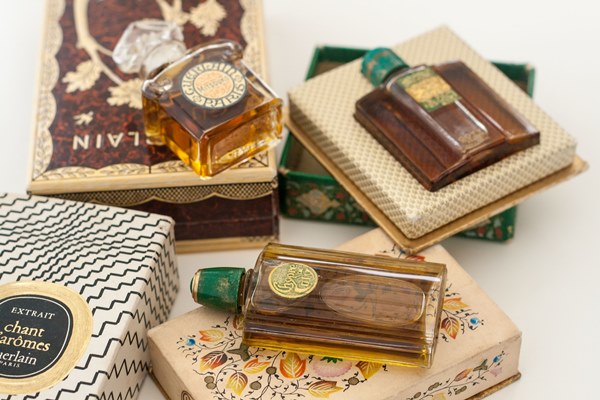
Who is afraid of perfume classics? Classical perfumery often elicits two different reactions. There are those who worship at the altar of Guerlain Mitsouko and define the tastes of others by their reactions to Jean Patou Joy or Chanel No 5. Frankly, if Joy were the last perfume available in this world, I wouldn’t wear it, and I enjoy No 5 more on others than on myself. But this is not the point. Classics weren’t created the way perfumes are today–they weren’t meant to be crowd pleasers, they weren’t tested on groups of women from New Jersey* to determine their appeal. They reflect their time and place, and it’s perfectly fine to decide that one doesn’t care for Mitsouko or Hermès Calèche.
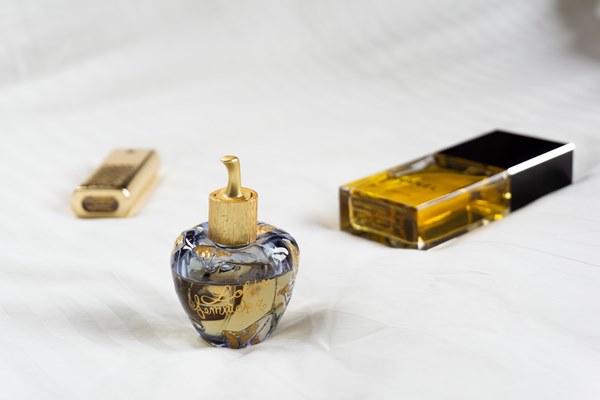
And then there are those who think that classics are old-fashioned, outdated or simply too difficult to wear. I agree that classics mirror their time and fashion bubble, but that can be their very appeal to some. Dismissing classics altogether is also a mistake, because this style of fragrance is still current and exploring it can be enjoyable. For instance, expensive niche lines like Tom Ford are known to be inspired–and strongly at that–by classics.  So, one could pay  niche prices or find a similar perfume among the more affordably priced lines.
Continue reading →

Contemplating a Peony : 5 Perfumes for the Peony Viewing

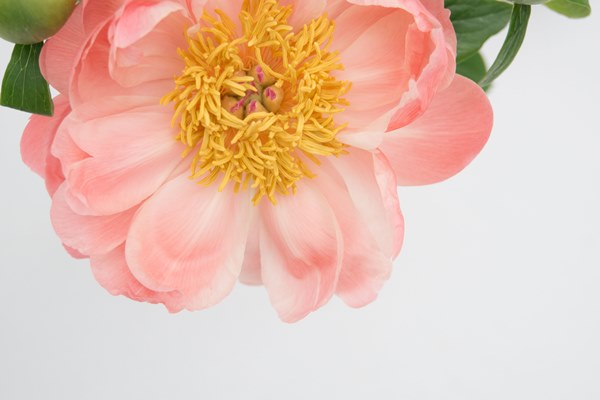
Cherry blossoms may be the flowers most strongly associated with Japan, but the peony is another beloved bloom. If you visit Tokyo in late spring, you can spend your days wandering the most beautiful peony gardens. The most striking peonies are the ones called botan in Japanese, or tree peony. They indeed appear as if they’re growing on trees, and their flowers are much larger than the more familiar stem peonies known as shakuyaku. Their colors, textures and, of course, scents vary dramatically.

So I’ve selected several fragrances that use peony in different ways, ranging from fresh and light to dark and warm. I also would like to share several favorite spots in Tokyo where peonies are displayed in all of their splendor. While going there is not possible for most of us, we can still admire the photos on line and dream up our perfect peony perfume.

Continue reading →

Why Enjoying Scent is Important

“Is there any point in wearing perfume these days?” asked one of my readers, arguing that in our socially distant reality, perfume is becoming an irrelevant accessory. My first thought was that since we wear perfume for ourselves, being alone or in a crowd doesn’t change the pleasure it gives us. (I also wanted to point out that right now is the best time to wear perfume, since fewer people might complain about it.) Yet, the question had another layer to it, and it was about the order of priorities. How important is the enjoyment of scents now when we face a crisis?

First, let me separate perfume as a luxury product from the idea of enjoying scents. Anyone can spend a moment of their day smelling something beautiful–blooming flowers, a cup of coffee, their baby’s hair, and doing so consciously is what makes these pleasures more intense. The reason I started recording videos teaching smelling techniques is because paying more attention to our sense of smell is vital for our physical and mental health. A large fraction of our genetic makeup is devoted to olfaction. Our sense of smell is neither “primitive” nor “dispensable.” As anyone suffering from anosmia, the loss of the sense of smell, can testify, food and intimacy become bland when the scent component is gone.


Continue reading →

Exercises to Sharpen Sense of Smell : Cloves and Roses

Starting one’s morning by smelling consciously is the best and the easiest way to sharpen your sense of smell. I’m sure that many of you who are reading this blog on a regular basis are already using your nose to its full potential, but if you would like to improve your olfactory vocabulary, distinguish scents better and learn to smell with more focus, I would like to share short videos with professional tips. The sense of smell becomes less acute with age, but by introducing such exercises into our routine, we’re ensuring that our noses remain as sensitive as can be possible given our genetic makeup and lifestyle. I’ve already posted a video on the basic principles of smelling in Bois de Jasmin’s YouTube channel, and the next installments will cover different techniques in more detail–smelling in images, looking for nuances in scents, etc.

This is a typical exercise I use in the morning. I pick anything scented–it can be a box of spices, a packet of coffee or a blotter dipped into an essential oil and think of images it evokes. It’s easier to do this exercise blindly (place spices in unmarked jars and smell with your eyes closed), but even if you know what you’re smelling, try to think only of the smell. What does it evoke? What does it smell of (other than the object you’re smelling)? It helps to write down your impressions, and if you like, you can share them in the comments here.

Continue reading →

The Turkish Art of Kolonya or How to Wear Cologne

The sight of a driver bearing a bottle of kolonya on the bus journeys across Turkey has always left me with mixed emotions. They always insisted on waking you up and then drenching you with perfume, whether you wanted it or not. On the other hand, a splash of kolonya always felt refreshing, and I became so used to the ritual that I began to practice it myself whenever I needed a pick me up. Using my Turkish friends’ example, I would pour kolonya generously into my hands, rub and whatever remained, I’d dab over my clothes. Of course, one needs a light, cologne-style perfume to accomplish it successfully, and Turkish kolonya is perfect.

Kolonya comes from the word cologne, and it became popular in the court of sultan Abdülhamit II (1876 – 1909) before taking over the rest of the country. Kolonya supplanted rosewater, which was used in a similar manner, since it was seen as antiseptic and cleansing. Kolonya is still offered to people at the restaurants and cafes. Kolonya is the first thing you’d offered entering a Turkish home, along with a plate of candy. The former is for cleanliness and refreshment, while the latter is for ensuring a sweet conversation, according to one Turkish belief. The kolonya culture is part of an old tradition of hospitality and sharing as well as a reminder that perfume was once valued for its salutary properties.

Continue reading →

As Seen On

Design by cre8d
© Copyright 2005-2026 Bois de Jasmin. All rights reserved. Privacy Policy