Perfume Reviews: 873 posts

Perfume and fragrance reviews appearing on Bois de Jasmin

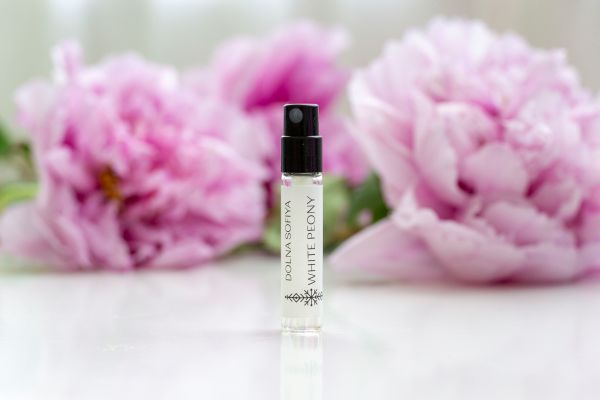
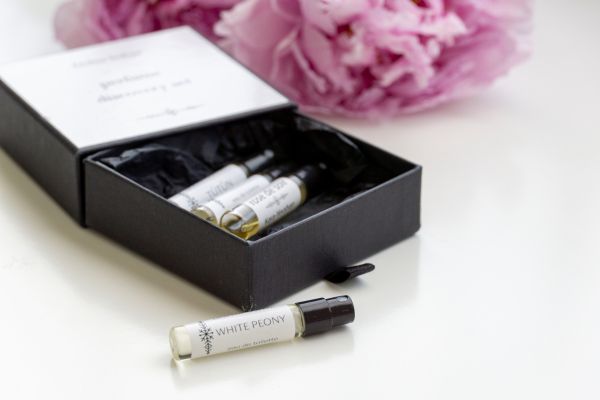
Sofiya Dolna White Peony : Fragrance Review and Ukrainian Perfumery

44444

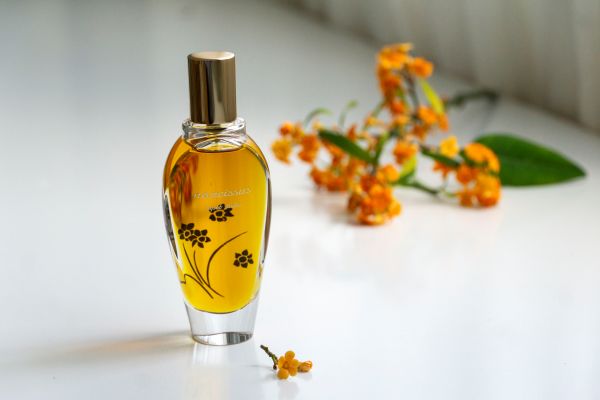
The first time I smelled White Peony by Dolna Sofiya, I had the sensation of stepping into a memory I hadn’t lived yet—a sunlit room, lace curtains swaying, petals scattered on a linen tablecloth. The perfume didn’t just unfold, it breathed, as if it had been waiting to be noticed: a gauzy blend of rose buds, green leaves, and the faintest trace of nectar. But what stayed with me wasn’t only the scent, it was the sense of intent. This was no imitation. It was a statement: delicate, yes, but deliberate.

Its creator, Sofiya Dolna, is part of a quiet, brave movement blooming in Ukraine, one where scent becomes not just personal expression, but a cultural declaration. In the lingering wake of White Peony, I sensed something larger stirring, a new kind of perfumery, rooted in emotion, resilience, and place. And today I want to tell you about Sofiya and about what it means to make something beautiful in a time of rupture.

Perfume

White Peony opens like a page in spring light, soft, yet vivid. The initial impression is the brightness of green tea and crushed flower petals, fresh and dewy. The green facets are pronounced, which initially gives the fragrance sharpness. Yet as the composition evolves, the verdant notes soften into a sweet, creamy floral accord. There’s something restrained about the sweetness, as though Sofia didn’t want to romanticize the flower but instead to show it in its quiet strength as well as a fantasy of a blossom. Think a Monet painting of a peony, rather than a high-resolution photograph.

Continue reading →

Sofiya Dolna White Peony : Fragrance Review (in Ukrainian)

44444

Уперше відчувши аромат White Peony Софії Дольної, я ніби ступила в пам’ять, якої ніколи не жила — залита сонцем кімната, мереживні фіранки, пелюстки на лляній скатертині. Цей парфум не просто розкривався — він дихав, ніби давно чекав, щоб його помітили: прозора суміш пуп’янків троянди, зеленого листя і найніжнішої краплі нектару. Але залишився зі мною не тільки аромат — а його намір. Це була не імітація. Це була заява: ніжна, так, але цілеспрямована.

Його творчиня, Софія Дольна, є частиною тихого, сміливого руху, що розквітає в Україні — там, де аромат стає не просто особистим виразом, а культурною заявою. У післясмаку White Peony я відчула щось більше — початок нового парфумерного простору, вкоріненого в емоціях, стійкості й відчутті місця. І сьогодні я хочу розповісти вам про Софію — і про те, що означає створювати красу у час розломів.

Як розкривається White Peony

White Peony відкривається мов весняне світло — м’яко, але яскраво. Перше враження — це свіжість зеленого чаю і подрібнених квіткових пелюсток, свіжа й росиста. Зелені ноти яскраві й трохи різкі на старті, але з часом вони пом’якшуються, переходячи в солодку, кремову квіткову ноту. У солодкості є стриманість — ніби Софія не хотіла ідеалізувати півонію, а показати її справжню, тиху силу. Так, це півонія, але її образ, забарвлений трояндовими штрихами, поданий крізь призму фантазії — радше як акварель Моне, ніж як чітка фотографія.

Continue reading →

Aphorismes by Dominique Ropion Innocent Tuberose : Perfume Review

33333

Few perfumers navigate the intersection of creativity and technical prowess as deftly as Dominique Ropion. His track record reads like a résumé designed to impress even the most jaded observer: Dior Dune, Givenchy Amarige, Thierry Mugler Alien and Lancôme La Vie est Belle. I had the privilege of working with Ropion at IFF, where I discovered not only his brilliance but also his generosity as a teacher. Which, of course, makes me a suspiciously biased judge. And yet, years spent smelling everything from the sublime to the regrettable have, I hope, earned me a modicum of distance.

All the same, I couldn’t resist a visit to 27 Rue Marbeuf on a recent trip to Paris, where the Aphorismes by Dominique Ropion boutique gleams like a Fabergé egg in its display case. Ropion has partnered with Habib Al-Sowaidi, founder of Le Royaume du Parfum International, a company known for developing gilded concepts and equally gilded packaging. Judging by the boutique’s hyper-luxurious décor and the prevalence of oud and creamy musks in the collection, the aesthetic here leans toward a particular idea of opulence. Let’s call it “majlis meets Place Vendôme.”

The collection comprises six perfumes, each with names that suggest either simplicity or whimsy: A Rose is a Rose, Crazy Garden, Encens Insensé, Innocent Tuberose, My Clémentine, and Oud à l’Amour. We are told they offer “modern takes on classical fragrance families.” This promise intrigued me. Ropion is not the sort to do things by halves.

And indeed, each perfume is immaculately constructed. The ingredients are superb. The compositions shimmer and glow. They last for hours and leave trails that are as finely calibrated as a line of perfectly placed pearls. Even Oud à l’Amour, the collection’s heavy-hitter, has a transparency that makes it more Veuve Clicquot than vintage port. My Clémentine is a sunny splash of bitter orange with the fizz of champagne bubbles, and it stays that way far longer than physics should allow.

But something was missing. These perfumes are models of elegance and restraint. Impeccable, yes. But I found myself searching for a pulse. Once the blotter was set down, I struggled to recall anything beyond the flawless execution. At first, I blamed myself. Perhaps I had become too critical. But then I smelled Prada Purple Rain and Serge Lutens Cracheuse de Flammes and felt the old jolt of excitement return. So I kept revisiting Aphorismes, searching for the elusive spark.

It came faintly in Innocent Tuberose. Ironically, the most predictable of the group. A lush, creamy white floral that demonstrates why Ropion is a master of this genre. It opens with a refreshing hit of citrus, like an iced finger bowl, before plunging into a riot of petals and musks. A bracing green note of cardamom and blackcurrant leaf cuts through the cream, providing just enough contrast to make the richness feel less like dessert and more like dinner at a Michelin-starred spa.

As the hours pass, what remains on the skin is a soft blur of petals anchored by woody notes that evoke cold roots and moss. It’s still a white floral, still unmistakably Ropion, but tempered, like an indulgence that’s been given a gym membership.

Fans of Frédéric Malle’s Carnal Flower will find Innocent Tuberose an easy pleasure. I should know; I wore Carnal Flower on my wedding day, and I still reach for it with fondness. Does Innocent Tuberose unseat it? Not quite. Where Carnal Flower has those jagged edges that make it human, Innocent Tuberose is smoother, more polished, and perhaps a little too perfect. Like a face that has never known a sleepless night.

And then there’s the price. As always with perfection, it doesn’t come cheap.

Aphorismes by Dominique Ropion Innocent Tuberose includes mandarin, grapefruit, bergamot, orange blossom absolute, ginger, cardamom, pink pepper, cassis, muguet, tuberose, ylang ylang, jasmine sambac, lactones, Cashmeran, cypriol, vetiver, ambergris, musk. Available directly from the boutique and Jovoy in Paris. Very expensive.

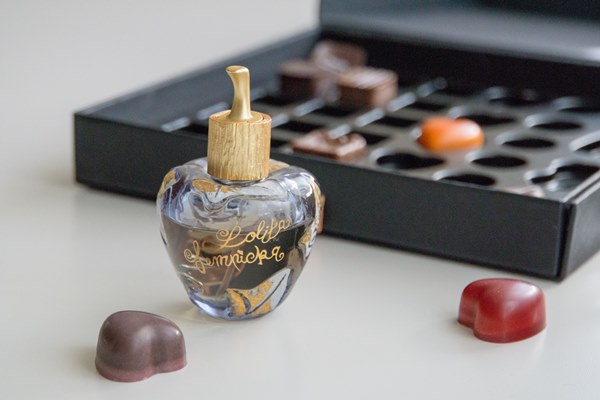
Cult Classic: Lolita Lempicka Perfume Review

55555

When did we develop our insatiable craving for sweet perfumes? I could point to Thierry Mugler’s Angel, the grandmother of all gourmands; launched in 1993, this bonbon of cotton candy, bitter chocolate and patchouli still graces best-seller lists the world over. The success of Angel inspired several generations of perfumes redolent of crème brûlée, caramel and rice pudding, from Chanel Coco Mademoiselle to Kenzo Amour, and the boundary between fragrance and flavor became nebulous.

While Angel set the modern trend, sweet notes are as old as the art of perfumery itself. Many classics have accords that tease with their subtle references to desserts without venturing too far into patisserie. For instance, the combination of peach, roasted almonds and cinnamon in Guerlain Mitsouko, created in 1919, suggests an extravaganza worthy of Escoffier, while the moss and woods add an abstract, distinctly non-edible effect.


Continue reading →

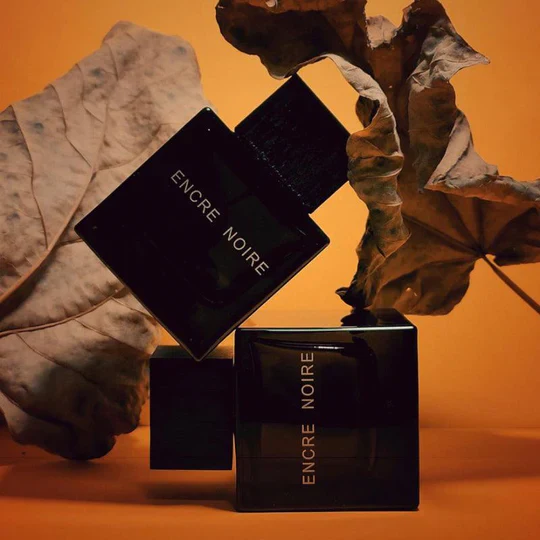
Cult Classic: Lalique Encre Noire

“Art does not reproduce the visible, it makes visible,” wrote the expressionist painter Paul Klee. The same could be said about perfumery, which is an art of intangible substances. The greatest fragrances conjure up the most complex of images, holding the artistic intent of their creators and offering a glimpse into their thoughts and memories. Of course, the goal of a perfumer may not always be that grand (or, given the nature of the market today, they may have neither the time nor opportunity to leave their fingerprint on a finished fragrance). However, when it does happen and a perfume feels more than the sum of its parts, it can touch us as deeply as any great work of art.

One of my favorite examples is Lalique’s Encre Noire Pour Homme released in 2006, and which perfumer Nathalie Lorson composed with the intention of showing off the suave, languid character of vetiver – a note usually seen as bracing and cold. A type of grass originating in India, Vetiver is grown to prevent soil erosion and produces a complex oil with accents of licorice, bitter grapefruit peel, smoke, and damp earth. Everything that makes it interesting is present in Encre Noire, but Lorson went further. She balanced the different facets of vetiver and highlighted them with musk and woods, fashioning the roughness of roots into reams of black silk.

Continue reading →

As Seen On

Design by cre8d
© Copyright 2005-2026 Bois de Jasmin. All rights reserved. Privacy Policy