tea: 33 posts

Tea Primer Part 2 : Green, White and Herbal Teas

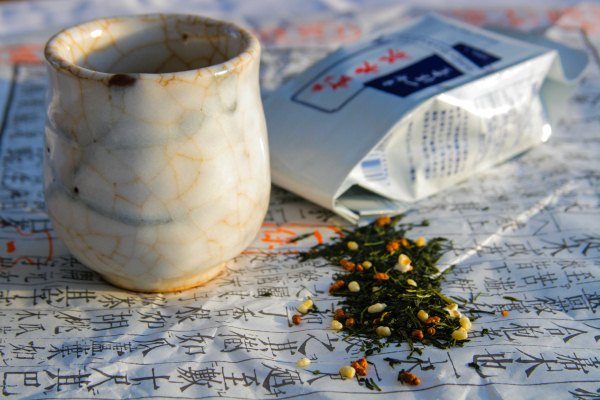
In Part 1 of Tea Primer, I discussed black and oolong teas, which are both well known for their typically robust, rich flavors. In comparison, green and white teas, the topic of today’s post, shed all suggestions of darkness, showcasing lightness and freshness. The reason for this marked difference is that black and oolong tea leaves are given a chance to oxidize (basically, to wilt and turn brown) during processing, whereas green and white teas are not. As a result, while black and oolong teas are the equivalent to earthy vetiver and patchouli in perfumery, green and white teas call to mind the vibrancy of violet leaf and citrus. The difference is very marked, which is part of the reason why it never ceases to amaze me that so many diverse teas can come from the same Camellia sinensis plant.
Part 1 : Black and Oolong Teas

Part 3 : Tea Brewing Basics

Part 4 : How to Brew a Perfect Cup of Tea

Part 5 : A Guide to Buying Quality Tea

Green Tea

Though green teas have gained popularity in the West only in recent decades, both the Chinese and Japanese have been producing these teas for thousands of years. With such a long history, today’s methods for producing green tea are, understandably, highly variable, differing from region to region. It is most common for the freshly picked tea leaves to be quickly steamed (so as to allow no time to wither or oxidize) and then rolled or pressed in a hot pan before being dried.  Because the leaves are not given any time to wilt or oxidize before steaming, green tea leaves retain their green color, as well as many of their antioxidants.
Continue reading →

Tea Primer Part 1 : Black and Oolong Teas

If you are a fragrance  enthusiast, even a brief introduction to tea will reveal that the line between fragrance and tea is a fine one.  The enjoyment of tea begins before you even take a sip. As you inhale the aromas rising above a steaming cup, you can imagine the taste: smoky, leafy, fruity, leathery or even floral. When I recently wrote about white teas, many of you mentioned in the comments that you were interested in learning more about tea, but weren’t sure where to start. Today I’m happy to present the first installment in a series of articles about tea. In this tea primer, I’ll detail types of tea, selecting and brewing tea, and other information about enjoying tea to its fullest. For all of those who are seasoned tea enthusiasts, I hope to offer some new insights and to learn from all that you have to share.

Part 2 : Green, White and Herbal Teas

Part 3 : Tea Brewing Basics

Part 4 : How to Brew a Perfect Cup of Tea

Part 5 : A Guide to Buying Quality Tea

Tea is the second most-consumed beverage in the world after water–it’s simple to make, and the taste is refreshing. Tea originated in China over 4,000 years ago, and today it is easier than ever to find high quality tea from around the world. There are various types of tea, but all share a common origin, coming from the same plant, Camellia sinensis. Where the Camellia sinensis leaves are grown and how they are processed determines the differences between the various types of tea produced from this plant. I will start by describing the scent and taste differences between different teas by focusing on the dark and rich varieties–black and oolong.


Continue reading →

White Teas : Perfume in Your Cup

Please give a warm welcome to Andy Gerber, who will be joining Bois de Jasmin’s team. Andy is a student with a love of reading, writing, cooking, collecting and drinking tea, and growing plants of all kinds. At a young age, he has developed a natural affinity to everything botanical, and his fascination with scents has never waned since. As Andy says, “I will always remember the day when I fell in love with the amazing world of fragrance, which happened, coincidentally, in a greenhouse. As I stood, sniffing, among a collection of scented herbs, violets, and roses, I felt an unexpected wave of euphoria–I came to a sudden realization of how moving and joyful fragrance is.” He will be sharing his knowledge of teas, fragrant beauty care, and aromatic plants with us.

If any edible could be deemed the closest link between food and fragrance, it would have to be tea. Teas display aromatic profiles that often rival perfumes in complexity, containing many of the same volatile compounds as a bottle of fragrance. Notes of honeysuckle and peach might sound more fitting in a fragrance description, but in the world of tea, recognizable floral, woody, and fruity notes like these occur naturally and add interest and subtle depth. It comes as no surprise that perfumers like Jean-Claude Ellena of Hermès and Mathilde Laurent of Cartier are self-admitted tea enthusiasts, who reach for tea as both a satisfying beverage and as an artistic inspiration.

Of all teas, though, white teas are one of the most interesting options available on the market. White teas, grown primarily in China’s Fujian province, are made from the downy leaf buds of Camellia sinensis plants, the same plant used to make black, oolong, and green teas. The leaf buds emerge early in the harvesting season and must be plucked within only a few days before they unfurl into new leaves. After plucking, the buds are allowed to wither for a few days in the sun before they are dried. After drying, the processing is finished and the final product is a long, thin and silvery bud covered with fuzzy hairs. The handling of white tea is delicate and very minimal, in order to preserve the gentle flavors of the tea and keep the leaves intact. The plant material allowed in the production of white tea is thus chosen with the utmost care and attention to quality, as no broken, blemished, or mature leaves are used.

Continue reading →

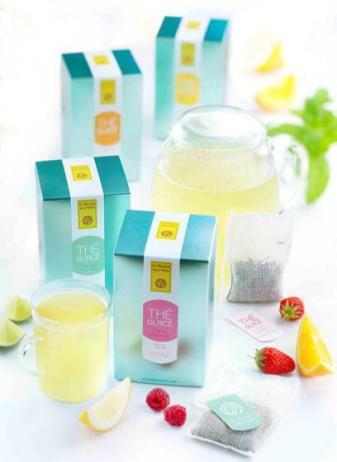
Summer Tea : Le Palais des Thes XL Iced Tea Bags

This summer Le Palais des Thés is launching a new line of teas packaged in extra large tea bags, a convenient way to brew a pitcher of iced tea.  The muslin bags are also large enough to allow for the tea leaves to unfurl completely (that’s essential for the best flavor). Each XL tea bag  makes 16 oz of tea (a quart size pitcher requires two bags). There are currently 4 flavors available: Thé du Hammam, Thé des Sources, Thé des Alizés and Wu Long 7 Agrumes.

Thé du Hammam (sweet)

“Inspired by a Turkish recipe, Thé du Hammam evokes the characteristic fragrances used to perfume the hammam: rose, green date, berries and orange flower water. It’s a subtle combination of Chinese green tea and rich, fruity aromas.”

Continue reading →

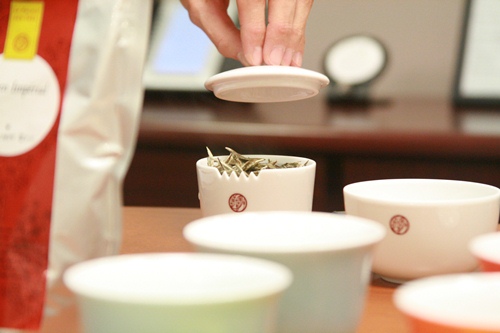
Tea Tasting Lesson at Le Palais des Thes

Hot chestnut honey, smoky leather, waxed woods… This may sound like a perfume description, but what I’m talking about is tea, and to be more precise, Yunnan d’Or tea from Le Palais des Thés. As I sniff the amber colored liquid in my cup, I get a bright and sparkling top note of sticky buds and caramel, but a sip reveals a voluptuous leathery richness. It’s a revelation. I knew that tea, like wine, chocolate and other complex flavors, has numerous layers, but to experience a perfume pyramid in a tea cup feels exciting.

Continue reading →

As Seen On

Design by cre8d
© Copyright 2005-2026 Bois de Jasmin. All rights reserved. Privacy Policy