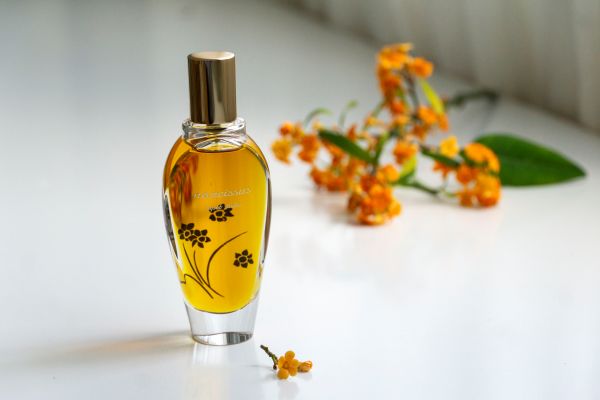
Milk Sandalwood Fragrance from The Chinese Book of Incense

Due to a last-minute change, I have a space available in our Scent Training Masterclass on August 24, Saturday, 6pm-7:30pm CET (12pm-1:30pm EST).
Location: Zoom
Class duration: 1.5 hours
55€ SOLD OUT

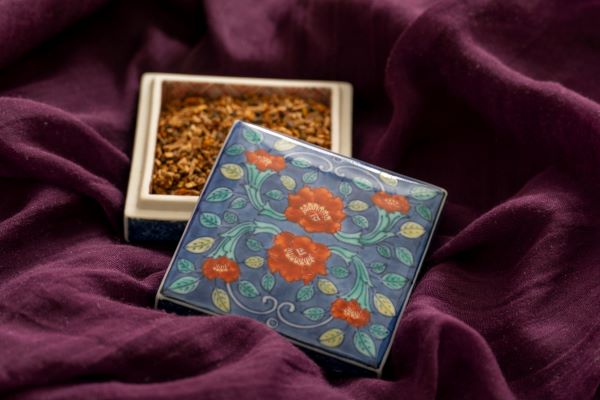
I enjoy recreating historical fragrances. Even when modern materials are used, the combinations turn out to be so unusual and memorable that finding more sources for antique formulas becomes a quest. My incense journey began while I was conducting research for the ISIPCA course I’m teaching this fall, focusing on the cultural and historical significance of fragrance. As I delved into the subject, my interest in the ancient practices of China, particularly the art of incense, grew stronger. I was already familiar with Japanese incense from my university studies and travels and I knew that the tradition came to Japan from China during the Tang dynasty (618–907 CE) and evolved into its own form. Learning about the original incense recipes and the scent philosophy in China thrilled me as it reminded me once again how deep and complex are the interactions between scent and culture, fragrance and art, perfume and society.

Incense was considered one of three “refined arts” in ancient China, along with tea ceremony and flower arrangement. Some of the earliest mentions of incense combinations date to the 3rd century BCE. As still remains the case, agarwood, the petrified wood of the aquilaria species, was the prized fragrance material, admired in its own right. Ancient texts mention frankincense and clove as ingredients to add facets to agarwood and lend it a different character, depending on the incense blender’s mood and artistic choices. Chinese women even mixed incense into makeup powders to paint their eyebrows black.
Continue reading →

My Introduction to Oud Perfumes

Oud is a paradox. The exquisite aroma that set the imagination of Japanese poets and Sufi mystics aflame develops as a result of a disease. When healthy, the wood of Aquilaria tree species is odorless, but once a certain type of mold affects them, they release an aromatic essence to protect their tissues from decomposition. It’s a slow process, during which blond wood turns dark and hard as a stone and develops a fragrance of uncommon complexity. It has the notes of sweet tobacco, incense, leather, and smoked spices, with a lingering undercurrent of bitter honey and crushed mint. While it’s known by many names, including aloeswood, agarwood, gaharu, or jinko, its other name, dark gold, will be instantly recognizable to oud lovers.


Although an ingredient with centuries old history in the Eastern world, it’s a relative newcomer to European perfumery. One of the first fragrances to use this note was Yves Saint Laurent’s M7, created under the direction of Tom Ford in 2002. The composition—its dramatic effect enhanced by a controversial nude male ad–had a cool, herbal top note that fell straight into the tobacco and animalic warmth of oud. It was relaunched a few years ago as M7 Oud Absolu, softer and lighter, but with the original’s vivid character.

Continue reading →

Cult Classic: Lolita Lempicka Perfume Review

55555

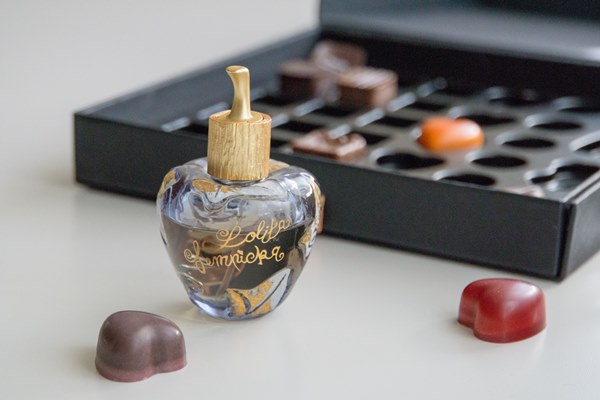
When did we develop our insatiable craving for sweet perfumes? I could point to Thierry Mugler’s Angel, the grandmother of all gourmands; launched in 1993, this bonbon of cotton candy, bitter chocolate and patchouli still graces best-seller lists the world over. The success of Angel inspired several generations of perfumes redolent of crème brûlée, caramel and rice pudding, from Chanel Coco Mademoiselle to Kenzo Amour, and the boundary between fragrance and flavor became nebulous.

While Angel set the modern trend, sweet notes are as old as the art of perfumery itself. Many classics have accords that tease with their subtle references to desserts without venturing too far into patisserie. For instance, the combination of peach, roasted almonds and cinnamon in Guerlain Mitsouko, created in 1919, suggests an extravaganza worthy of Escoffier, while the moss and woods add an abstract, distinctly non-edible effect.

Continue reading →

New Scent Training Masterclass Online

Did you know that smelling is one of the most effective brain exercises? Studies indicate that olfactive training “improved verbal function and subjective well-being. In addition, results indicated a decrease of depressive symptoms.” The latest research reveals that regular scent training can improve cognitive function and quality of life because it can enhance all your senses. Olfactive training can improve attention, memory and language functions and reverse cognitive decline. Since 2020, I have been working with healthcare professionals studying anosmia and the gradual loss of the sense of smell. Having researched the subject of olfaction, both as a perfumer and health industry consultant, I have created a tailored program based on my learning and discoveries. In contrast to my other courses that emphasize the appreciation of fragrances, this masterclass will focus deeper on how you develop your sense of smell and its effect on your well-being. I will share powerful techniques to:

  • improve your sense of smell
  • boost your ability to memorize aromas
  • help you create daily habits that promote long-term cognitive health
  • heighten your enjoyment of scents in food, wine, tea, and of course, fragrances

The masterclass will take place online and it’s an interactive experience, in a casual and comfortable setting. Since the class size is kept small, everyone will have my input into their uniquely adapted smell training program. You will have free access to support and guidance from me after the masterclass.

We will use readily available fragrant materials for our class exercises, such as citrus fruit and spices. You’ll receive the full instructions before the start of the class.

Location: Zoom
Class duration: 1.5 hours
August 18, Sunday, 1:30pm-3:00pm CET
August 24, Saturday, 6pm-7:30pm CET (12pm-1:30pm EST)
55€ SOLD OUT

For more information on Bois de Jasmin classes and other course offers, please visit the Perfume Classes page.

Cult Classic: Lalique Encre Noire

“Art does not reproduce the visible, it makes visible,” wrote the expressionist painter Paul Klee. The same could be said about perfumery, which is an art of intangible substances. The greatest fragrances conjure up the most complex of images, holding the artistic intent of their creators and offering a glimpse into their thoughts and memories. Of course, the goal of a perfumer may not always be that grand (or, given the nature of the market today, they may have neither the time nor opportunity to leave their fingerprint on a finished fragrance). However, when it does happen and a perfume feels more than the sum of its parts, it can touch us as deeply as any great work of art.

One of my favorite examples is Lalique’s Encre Noire Pour Homme released in 2006, and which perfumer Nathalie Lorson composed with the intention of showing off the suave, languid character of vetiver – a note usually seen as bracing and cold. A type of grass originating in India, Vetiver is grown to prevent soil erosion and produces a complex oil with accents of licorice, bitter grapefruit peel, smoke, and damp earth. Everything that makes it interesting is present in Encre Noire, but Lorson went further. She balanced the different facets of vetiver and highlighted them with musk and woods, fashioning the roughness of roots into reams of black silk.

Continue reading →

As Seen On

Design by cre8d
© Copyright 2005-2026 Bois de Jasmin. All rights reserved. Privacy Policy