New Scent Training Masterclass Online

Did you know that smelling is one of the most effective brain exercises? Studies indicate that olfactive training “improved verbal function and subjective well-being. In addition, results indicated a decrease of depressive symptoms.” The latest research reveals that regular scent training can improve cognitive function and quality of life because it can enhance all your senses. Olfactive training can improve attention, memory and language functions and reverse cognitive decline. Since 2020, I have been working with healthcare professionals studying anosmia and the gradual loss of the sense of smell. Having researched the subject of olfaction, both as a perfumer and health industry consultant, I have created a tailored program based on my learning and discoveries. In contrast to my other courses that emphasize the appreciation of fragrances, this masterclass will focus deeper on how you develop your sense of smell and its effect on your well-being. I will share powerful techniques to:

  • improve your sense of smell
  • boost your ability to memorize aromas
  • help you create daily habits that promote long-term cognitive health
  • heighten your enjoyment of scents in food, wine, tea, and of course, fragrances
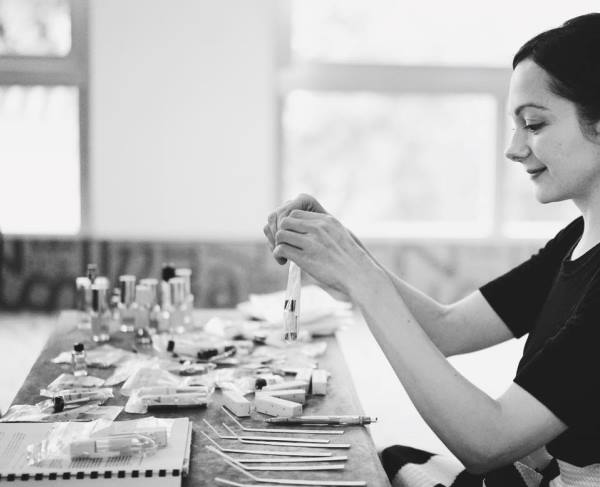
The masterclass will take place online and it’s an interactive experience, in a casual and comfortable setting. Since the class size is kept small, everyone will have my input into their uniquely adapted smell training program. You will have free access to support and guidance from me after the masterclass.

We will use readily available fragrant materials for our class exercises, such as citrus fruit and spices. You’ll receive the full instructions before the start of the class.

Location: Zoom
Class duration: 1.5 hours
August 18, Sunday, 1:30pm-3:00pm CET
August 24, Saturday, 6pm-7:30pm CET (12pm-1:30pm EST)
55€ SOLD OUT

For more information on Bois de Jasmin classes and other course offers, please visit the Perfume Classes page.
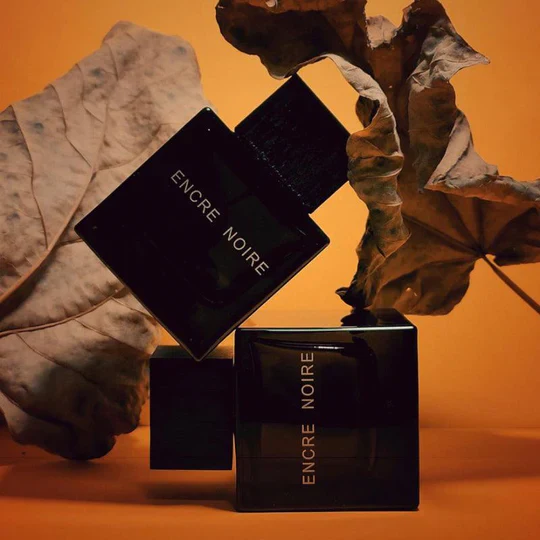
Cult Classic: Lalique Encre Noire

“Art does not reproduce the visible, it makes visible,” wrote the expressionist painter Paul Klee. The same could be said about perfumery, which is an art of intangible substances. The greatest fragrances conjure up the most complex of images, holding the artistic intent of their creators and offering a glimpse into their thoughts and memories. Of course, the goal of a perfumer may not always be that grand (or, given the nature of the market today, they may have neither the time nor opportunity to leave their fingerprint on a finished fragrance). However, when it does happen and a perfume feels more than the sum of its parts, it can touch us as deeply as any great work of art.


One of my favorite examples is Lalique’s Encre Noire Pour Homme released in 2006, and which perfumer Nathalie Lorson composed with the intention of showing off the suave, languid character of vetiver – a note usually seen as bracing and cold. A type of grass originating in India, Vetiver is grown to prevent soil erosion and produces a complex oil with accents of licorice, bitter grapefruit peel, smoke, and damp earth. Everything that makes it interesting is present in Encre Noire, but Lorson went further. She balanced the different facets of vetiver and highlighted them with musk and woods, fashioning the roughness of roots into reams of black silk.

Continue reading →

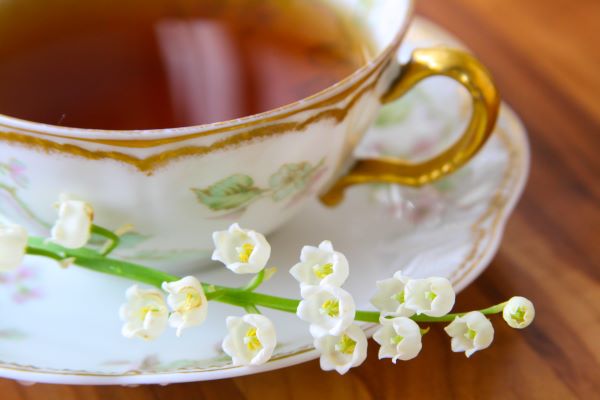
Discovering The Finest Floral Teas

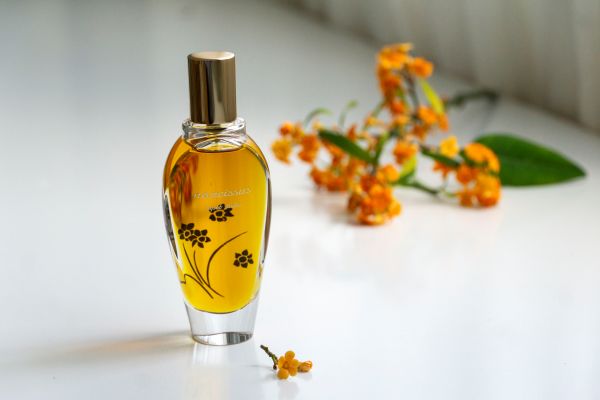
I used to look down on flavored teas. If tea is of high quality, why add anything else to it, I thought. Then, I reconsidered my prejudices, because it turned out that a well-crafted flavored tea could be a thing of beauty. Additional aromas highlight the complex flavor of Camellia sinesis leaves, revealing different nuances. A hint of osmanthus, for instance, can make certain types of oolongs seem sweeter, while rose softens the smoky edges of black teas. It makes for a different but no less enjoyable experience than drinking a cup of unadorned grand cru blend.

Some of the most interesting combinations are of tea and flowers. Scent science explains why such pairings have become classics– tea leaves and blossoms like rose, osmanthus, gardenia or violet share a number of fragrant compounds in common. When blended, the complementary aromas create affinities that enrich the flavor of tea as well as its fragrance.

Continue reading →

Recommend Me a Perfume: July 2024

Our “Recommend Me a Perfume” thread is open this week. You can use this space to find perfume recommendations, to share your discoveries and favorite scents, and to ask any questions about scents, aromas and flavors. Or you can just tell us what perfume you are wearing!

How does it work: 1. Please post your requests or questions as comments here. You can also use this space to ask any fragrance related questions. To receive recommendations that are better tailored to your tastes, you can include details on what you like and don’t like, your signature perfumes, and your budget. And please let us know what you end up sampling. 2. Then please check the thread to see if there are other requests you can answer. Your responses are really valuable for navigating the big and sometimes confusing world of perfume, so let’s help each other!

To make this thread easier to read, when you reply to someone, please click on the blue “reply” link under their comment.

Photography by Bois de Jasmin

Cult Classic: Bulgari Eau Parfumee au The Vert

55555

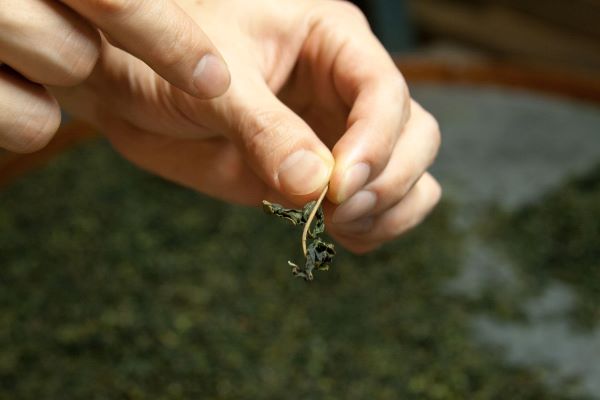
Munnar, a hill station in the southwestern state of Kerala, is one of India’s largest tea producers. Ensconced in the Western Ghats mountain range, the town is surrounded by plantations that cascade down the hills and hide in misty ravines. I was in Munnar for my honeymoon, and my recollections of long languorous walks around the tea gardens, the tolling church bells, and the opulence of flower garlands at the Sri Subramanya Temple are laced with the scent of tea leaves. Crushed in my fingers, they smelled green and tannic; when carried by the morning breeze, the aroma resembled violets and driftwood.

The fragrance of tea has captivated many perfumers, but it was Jean-Claude Ellena who created the tea accord that became a trendsetter. Today it’s known as Bulgari Eau Parfumée au Thé Vert. Curiously, the fragrance wasn’t meant to make a big splash. When the Italian jewelry house of Bulgari approached Ellena, they were merely looking to offer a perfume in their boutiques, an elegant addition to their collection of adornments. Meanwhile, Ellena had a sketch of a fragrance that his other clients deemed a bit too innovative. It was an etude evoking the aroma of tea, and it was perfect for Bulgari. However, as soon as the house started offering Eau Parfumée au Thé Vert in its boutiques, it drew so much attention that Bulgari had to stage a wider launch.

Continue reading →

As Seen On

Design by cre8d
© Copyright 2005-2026 Bois de Jasmin. All rights reserved. Privacy Policy