From Agarwood to Osmanthus: Perfume Journeys through China
Чай та османтус: Ароматна спадщина Китаю (українська версія)
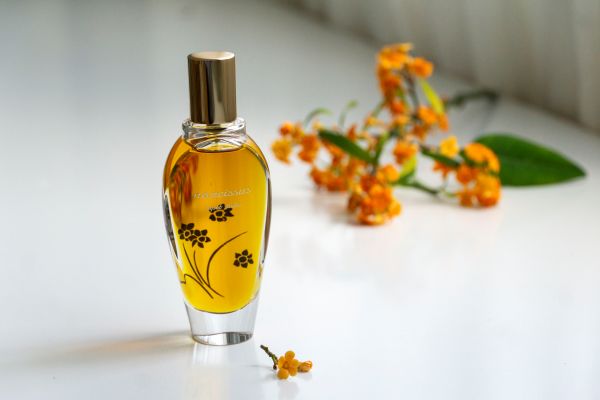
When I traveled in Vietnam, I sat at a low wooden table in Hue and learned incense-making from a master. It rained outside and the scent of blooming osmanthus filled the studio with its languid fruity aroma. The master ground woods, resins, and spices before binding them into sticks with makko powder. The recipe, he explained, had Chinese origins: agarwood, sandalwood, clove, borneol. These were ingredients once carried along the great trade routes, linking temples, courts, and homes. Watching him, I realized how much of perfume’s history rests on such exchanges.
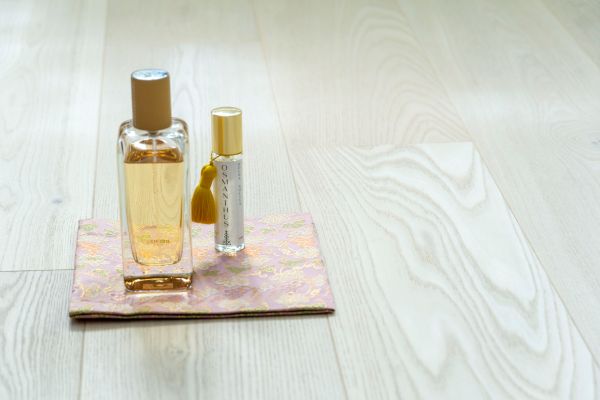
China’s scent culture is vast. It ranges from temple incense to osmanthus blossoms in autumn, from precious agarwood to the steam of a teacup. Western perfumery rarely bottles these traditions directly, but their influence lingers, shaping some of the most interesting fragrances of the last decades.